
Biogas for Hotels and Restaurants: Turning Food Waste into Energy
The hospitality and food service sectors generate massive volumes of organic waste daily, ranging from vegetable peelings and food preparation remnants to uneaten plate scraps and expired inventory. Traditionally, this food waste is hauled away to landfills, where unmanaged decomposition releases potent greenhouse gases like methane.
Implementing on-site or localized biogas systems for hotels and restaurants offers a powerful circular economy solution. By harnessing advanced anaerobic digestion technology, hospitality businesses can convert kitchen refuse into clean cooking fuel, heating energy, or electricity while drastically cutting waste disposal costs.
The Operational Challenge of Hospitality Food Waste
Commercial kitchens face unique hurdles when managing organic waste:
- High Volume and High Moisture: Food waste from restaurants and hotels is typically over 80% moisture, making it heavy, costly to transport, and prone to rapid putrefaction and foul odors if stored improperly.
- Rapid Acidification Risks: Because kitchen scraps are rich in soluble sugars and starches, they degrade quickly into volatile fatty acids (VFAs). Without proper control, this can cause a rapid pH drop and "sour" the biological digestion process.
- Contamination Hazards: Busy commercial kitchens frequently mix plastic packaging, paper napkins, and food containers with organic refuse, demanding rigorous pre-treatment and sorting protocols.
How Biogas Systems Work in Hotels and Restaurants
Transforming commercial food waste into functional energy involves an efficient, closed-loop technical pipeline:
- Source Segregation and Maceration: Kitchen staff separate organic waste from non-biodegradable items. Many modern installations use specialized in-feed pulper units (such as commercial bio-macerators) to grind food waste into a smooth, pumpable liquid slurry.
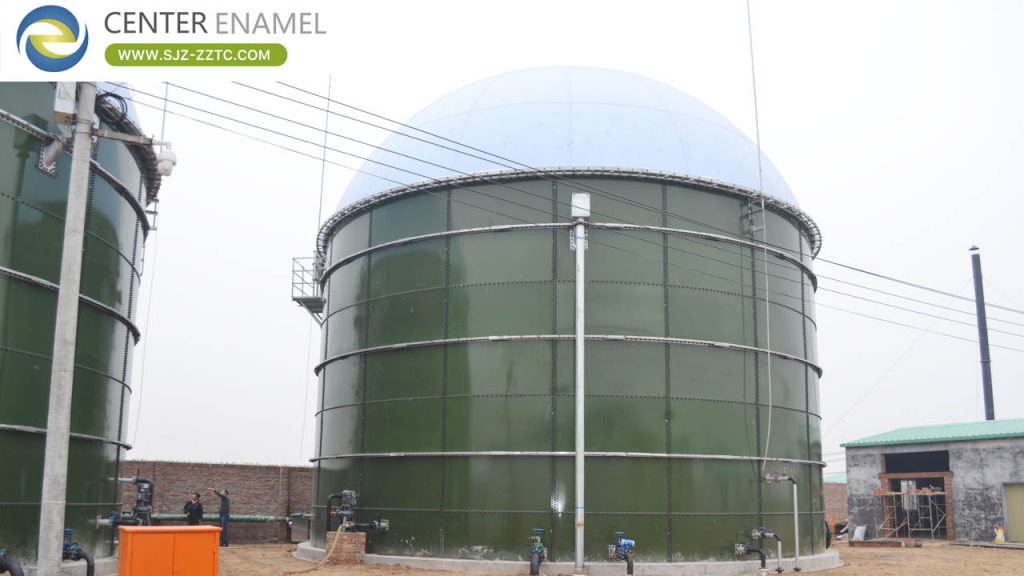
- Sealed Anaerobic Digestion: The homogenized slurry is pumped into an airtight, oxygen-free digester tank. Inside, specialized microbial communities execute four sequential biological stages: hydrolysis, acidogenesis, acetogenesis, and methanogenesis.
- Biogas Generation and Cleaning: The resulting biogas—consisting primarily of methane (CH4) and carbon dioxide (CO2)—is collected in gas holders. Simple desulfurization and moisture filters clean the gas for direct usage.
- Energy Utilization: The purified biogas can be piped directly back to commercial kitchen ranges for cooking, integrated into hotel heating systems, or burned in small-scale Combined Heat and Power (CHP) generators.
Comparative Data Table: Traditional Disposal vs. On-Site Hotel Biogas
| Operational Metric | Traditional Landfill Hauling | On-Site Hotel Biogas Digester |
| Waste Management Cost | High and continuously rising tipping fees | Low ongoing operational cost; rapid 2 to 4 year ROI |
| Environmental Impact | High fugitive methane and carbon footprint | Net-zero local carbon loop; zero landfill dependency |
| Energy & Resource Recovery | None (wasted caloric resource) | Generates cooking gas, heating, or electricity + organic fertilizer |
| Odors and Pests | High risk during temporary storage | Odor-free closed tank or cellar storage systems |
Frequently Asked Questions (FAQ)
Q1: Can biogas produced from restaurant waste be used directly for cooking in hotel kitchens?
A: Yes. After passing through a simple moisture trap and desulfurization filter to remove hydrogen sulfide, the purified biogas can be safely piped directly to commercial gas burners, stoves, or water heaters, significantly reducing reliance on bottled LPG or natural gas.
Q2: Do hotel biogas systems create unpleasant odors on the property?
A: No. Modern commercial hospitality biogas installations utilize sealed, airtight tanks and automated in-feed macerator units located in closed cellar or utility spaces, ensuring an entirely odor-free waste collection and processing cycle.
Q3: What happens to the leftover residue after the food waste is digested?
A: The digestion process yields a nutrient-rich byproduct known as liquid digestate. This pasteurized, low-odor organic bio-fertilizer can be safely hauled away or used locally to nourish hotel landscaping, rooftop gardens, or nearby agricultural lands.