
Biogas Installation Planning: A Strategic Framework for Project Success
Developing a successful biogas facility is a complex, capital-intensive undertaking that extends far beyond physical construction. Biogas installation planning requires a multi-disciplinary approach, integrating biological, mechanical, regulatory, and financial expertise to ensure long-term viability. For developers and facility managers, the planning phase is the single most critical predictor of operational success and Return on Investment (ROI).
This guide outlines the essential strategic phases of planning an anaerobic digestion (AD) project.
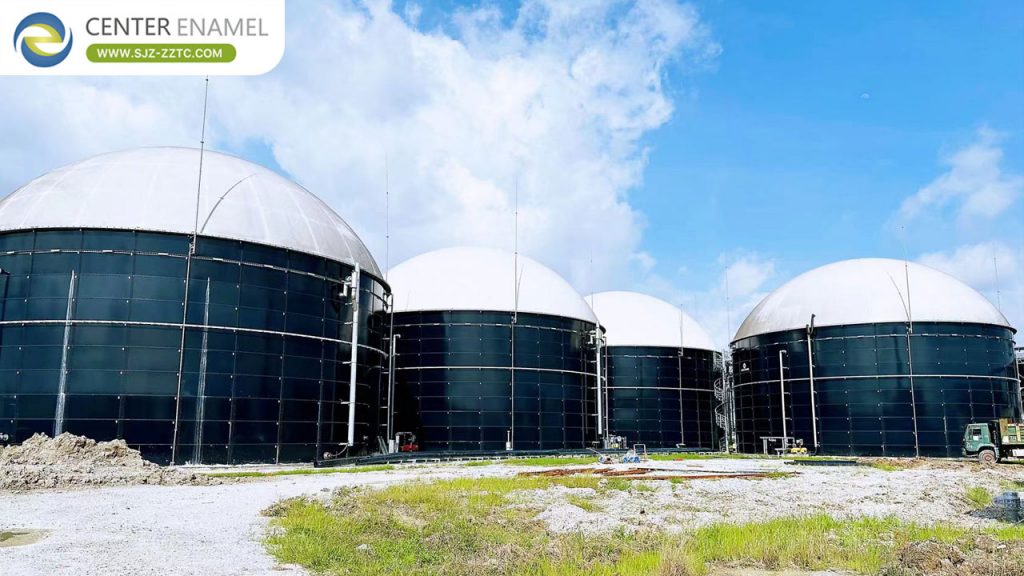
Phase 1: Feedstock Feasibility and Resource Mapping
Before selecting a technology, you must fully understand your waste stream. The biological efficiency of a biogas plant is entirely dependent on the quality and consistency of the input substrate.
- Characterization: Analyze the chemical composition of your feedstock (e.g., manure, food waste, wastewater sludge). Key metrics include Total Solids (TS), Volatile Solids (VS), and Carbon-to-Nitrogen (C:N) ratios.
- Security of Supply: Ensure a consistent, long-term supply of feedstock. Seasonality in agricultural waste or market fluctuations in municipal waste can derail methane yields.
- Logistics: Calculate the "radius of supply." Excessive transportation costs for bulky, low-density waste can erode profit margins rapidly.
Phase 2: Site Selection and Technical Design
The physical location of the facility dictates permitting complexity, grid connectivity, and operational costs.
- Proximity to Infrastructure: Evaluate distance to electrical substations (for CHP grid injection) or natural gas pipelines (for biomethane upgrading).
- Geotechnical Suitability: Conduct soil studies to ensure the site can support heavy concrete tanks or industrial steel digesters.
- Zoning and Environment: Assess groundwater depth, prevailing wind directions (for odor control), and proximity to residential or sensitive ecological zones.
- Technology Selection: Determine the appropriate reactor type based on feedstock. For example, choose Plug Flow for high-solid dairy manure, or CSTR / GFS Tanks for co-digestion of varied food waste.
Phase 3: Regulatory Compliance and Permitting
Biogas installations are subject to rigorous environmental and safety regulations. Engaging local authorities early is vital to prevent multi-year delays.
- Environmental Impact Assessments (EIA): Prepare thorough documentation on emissions, odor mitigation, and digestate management.
- Safety & Fire Codes: Plan for biogas leak detection, flame arrestors, pressure relief systems, and ATEX/hazardous zone classification for electrical components.
- Digestate Utilization: Secure permits for the land application or commercial sale of the final bio-fertilizer byproduct.
Comparative Data Table: Project Planning Phases
| Planning Phase | Key Activities | Critical Success Factor |
| Feasibility Study | Feedstock lab analysis, ROI modeling | Accurate methane yield predictions |
| Site Selection | Grid interconnection study, geotechnical survey | Proximity to gas/electric infrastructure |
| Permitting | Environmental Impact Assessment, local zoning | Early stakeholder and agency engagement |
| Technology Selection | Reactor design (CSTR/Plug Flow), gas upgrading | Compatibility with feedstock characteristics |
| Operational Planning | Digestate management, maintenance scheduling | Robust supply chain for feedstock & spare parts |
Frequently Asked Questions (FAQ)
Q1: What is the most important step in biogas installation planning?
A: The feedstock feasibility study is the most critical step. Since the biological methane yield is the primary revenue driver, failing to correctly characterize your waste stream, ensure supply consistency, or understand its chemical composition can lead to project failure.
Q2: How long does the planning and permitting process for a biogas plant usually take?
A: Depending on the scale, regulatory jurisdiction, and complexity (e.g., grid injection requirements), the planning and permitting process typically ranges from 12 to 24 months. Early engagement with environmental and utility agencies is essential to minimize this timeline.
Q3: Does the choice of reactor type matter during the planning phase?
A: Yes, absolutely. Choosing the wrong reactor type—such as selecting a UASB reactor for high-solid manure, or a fixed-dome system for a commercial-scale municipal waste facility—will lead to mechanical failures, clogging, or inefficient digestion. The reactor technology must be matched to the physical properties of the feedstock during the initial design phase.