
Biogas Technology for Development: Driving Sustainable Growth and Energy Access
As developing and emerging economies face escalating energy demands, environmental degradation, and waste management crises, sustainable infrastructure solutions have become paramount. Biogas technology for development offers a multi-faceted framework that addresses some of the most critical challenges of modern society: rural energy poverty, organic waste pollution, soil degradation, and greenhouse gas emissions.
By converting agricultural residues, animal manure, and municipal organic waste into clean renewable energy and bio-fertilizer through anaerobic digestion, biogas systems serve as a core catalyst for local, regional, and national development.
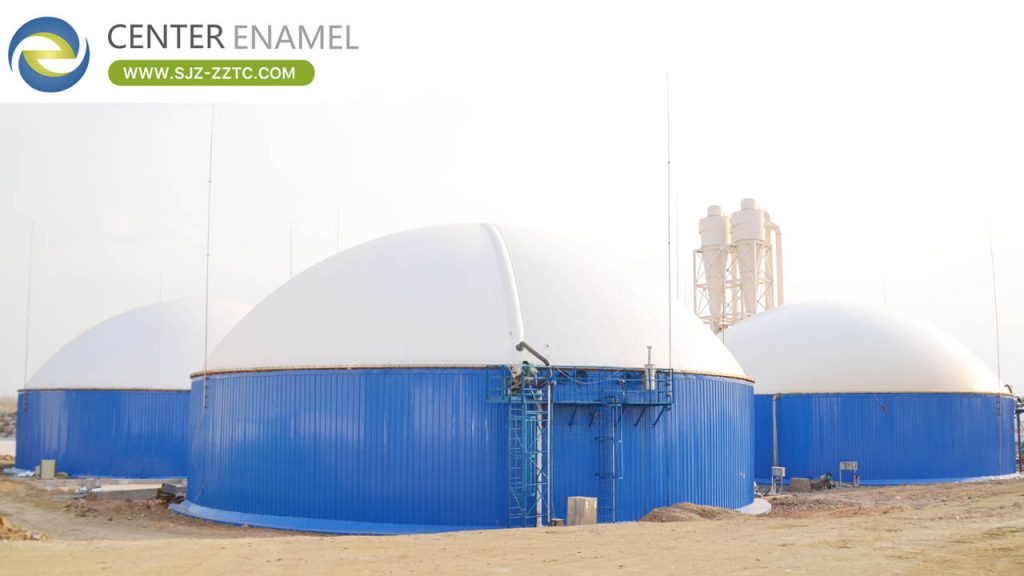
The Role of Biogas Across Different Development Sectors
Biogas technology adapts dynamically across various scales to meet diverse developmental objectives:
- Rural Households and Small-Scale Farmers: In developing regions, small domestic or farm-scale biodigesters provide clean, smoke-free cooking fuel, replacing traditional firewood and dried animal dung. This drastically reduces indoor air pollution, saves hours of firewood collection labor (predominantly borne by women and children), and mitigates deforestation.
- Agricultural Communities: Medium-scale farm systems transform animal slurry into valuable energy while producing high-grade digestate. This nutrient-rich organic fertilizer replaces expensive, carbon-intensive synthetic fertilizers, protecting local soils from erosion and nutrient depletion.
- Municipalities and Urban Centers: Large-scale anaerobic digestion plants resolve urban sanitation crises by processing municipal organic solid waste and wastewater treatment sludge, preventing open dumping and uncontrolled methane release from landfills.
- National Governments: At a macro level, integrated biogas deployment enhances national energy security, reduces fossil fuel and fertilizer import dependencies, creates green jobs, and fulfills international climate mitigation commitments under global carbon reduction frameworks.
Core Development Benefits of Anaerobic Digestion
- Combating Deforestation and Preserving Ecosystems: Replacing biomass fuels (like timber and brush) with locally produced biogas protects vulnerable forests, preserves biodiversity, and maintains watershed integrity.
- Health and Sanitation Improvements: Confining animal manure and human waste inside sealed anaerobic digesters destroys pathogenic bacteria and parasites, significantly reducing waterborne diseases and surface groundwater contamination.
- Climate Action and Greenhouse Gas Mitigation: Biogas systems capture fugitive methane—a greenhouse gas significantly more potent than carbon dioxide—and convert it into cleaner energy, resulting in a net-negative carbon footprint when replacing fossil fuels.
- Circular Economy and Soil Regeneration: The residual digestate returned to agricultural fields enhances soil organic matter, improves water retention, and supplies readily bioavailable nitrogen, phosphorus, and potassium.
Comparative Data Table: Biogas Impacts Across Stakeholder Groups
| Stakeholder Group | Primary Operational Challenge | Biogas Solution & Technology | Key Development Benefit |
| Rural Households | Indoor air pollution, energy poverty, firewood scarcity | Small-scale family-sized fixed-dome or balloon digesters | Clean cooking fuel, eliminated indoor smoke, saved labor time |
| Small-to-Medium Farmers | Manure disposal costs, high synthetic fertilizer prices | Farm-based CSTR or plug-flow biogas plants | Self-sufficient on-farm energy, high-grade organic fertilizer |
| Municipalities | Municipal solid waste accumulation, wastewater treatment | Large-scale anaerobic digestion & wastewater sludge gas recovery | Public sanitation improvement, diversion of waste from landfills |
| National Economies | Fossil fuel import dependency, climate emission targets | Grid-injected biomethane (RNG) & industrial biogas grids | Enhanced energy security, green job creation, reduced carbon emissions |
Frequently Asked Questions (FAQ)
Q1: How does biogas technology directly contribute to sustainable development?
A: Biogas technology contributes to sustainable development by simultaneously providing clean renewable energy, improving public health and sanitation, reducing deforestation, generating organic bio-fertilizers, and mitigating greenhouse gas emissions through organic waste management.
Q2: Why is biogas considered especially valuable for rural communities in developing regions?
A: In rural regions, biogas replaces traditional solid biomass (firewood and dung) used for cooking. This eliminates hazardous indoor air pollution, protects local forests from over-harvesting, and saves hours of manual fuel collection labor while converting animal waste into valuable farm fertilizer.
Q3: Can small-scale biogas systems be scaled up for national energy grids?
A: Yes. While small-scale family digesters serve decentralized rural needs, large-scale industrial anaerobic digestion plants can upgrade raw biogas into high-purity biomethane (Renewable Natural Gas), which is fully compatible with national natural gas pipelines and commercial vehicle fuel networks.