
Checklist for the Construction of a Biogas Plant: A Step-by-Step Execution Guide
Constructing a commercial or industrial anaerobic digestion (AD) facility requires precise coordination across engineering disciplines, regulatory frameworks, and supply chains. From initial site selection to final biological commissioning, missing a single phase can lead to costly delays, compliance failures, or structural defects.
To ensure project success, developers, project managers, and civil contractors must follow a rigorous, structured biogas plant construction checklist. This guide outlines the essential phases, engineering milestones, and technical requirements needed to build a high-performance, safe, and efficient biogas plant.
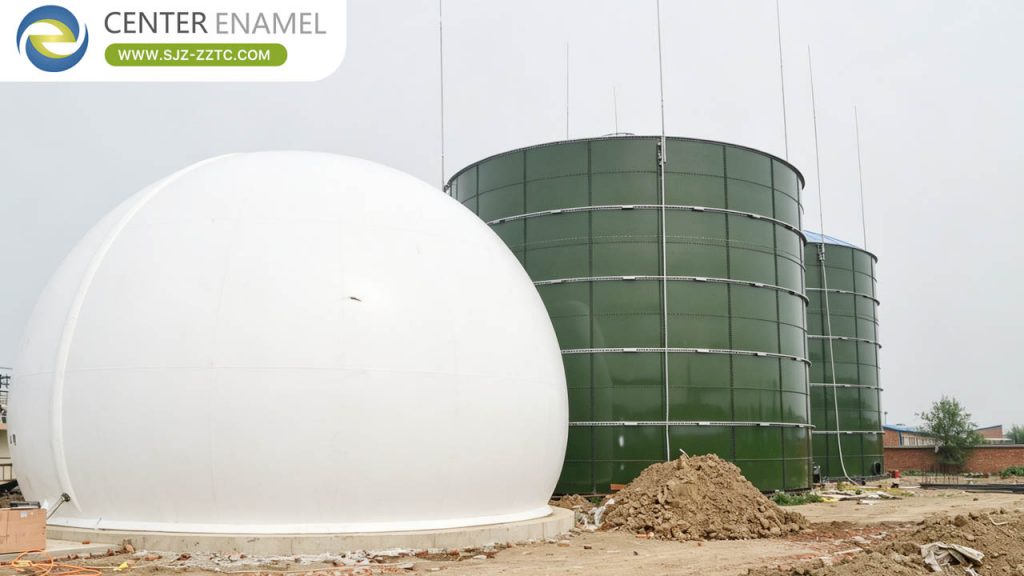
Phase 1: Feasibility, Site Selection, and Permitting
Before breaking ground, the foundation of the project must be secured through thorough planning and regulatory approval.
- Feedstock Characterization & Audit: Analyze local organic waste streams (manure, food waste, or industrial sludge) for Total Solids (TS), Volatile Solids (VS), and Carbon-to-Nitrogen (C:N) ratios to determine optimal reactor sizing.
- Site Selection & Geotechnical Survey: Evaluate soil load-bearing capacity, groundwater table depth, prevailing wind direction for odor management, and access road width for heavy delivery trucks.
- Utility Proximity Analysis: Confirm access points for electrical grid interconnection (for Combined Heat and Power [CHP] units) or natural gas pipelines (for biomethane upgrading).
- Regulatory Permitting & Compliance: Secure local zoning clearances, environmental impact assessments (EIA), building permits, and safety codes (such as explosion-proof electrical and pressure vessel certifications).
Phase 2: Civil Works and Substructure Construction
Physical construction begins with earthwork and robust structural foundations designed to support heavy industrial loads.
- Site Clearing & Excavation: Excavate the footprint for the main digester, mixing pits, and secondary containment structures, allowing extra clearance for over-digging and compacted sub-base granular fill.
- Foundation Slab Pouring: Install reinforced concrete foundation pads (typically 300 mm to 400 mm thick for above-ground tanks) engineered to withstand heavy hydrostatic and dynamic structural loads.
- Digester Tank Construction: Erect the primary reactor walls using reinforced concrete or bolted Glass-Fused-to-Steel (GFS) panels, ensuring high resistance against corrosive hydrogen sulfide and organic acids.
- Secondary Containment Bunding: Construct secondary containment walls around liquid storage tanks designed to hold at least 110% of the total tank volume to prevent environmental spills.
Phase 3: Mechanical Fabrication and Equipment Installation
This phase involves integrating specialized mechanical hardware, piping networks, and gas storage systems.
- Heating and Agitation Setup: Install internal hot-water heat exchangers for thermal regulation (mesophilic or thermophilic ranges) alongside vertical or submersible mechanical mixers to prevent scum crusts.
- Gasholder Installation: Mount double-membrane roofs or independent external storage bladders, ensuring airtight seals and functional pressure-relief safety valves.
- Piping and Condensate Network: Run corrosion-resistant gas and slurry lines with a minimum 2% downward slope toward automatic condensate traps to prevent moisture blockages.
- Gas Treatment & Upgrading Skids: Install desulfurization units (biological or chemical scrubbers to remove H2S), moisture dryers, and optional carbon dioxide separation membranes.
Phase 4: Electrical, Instrumentation, and Automation
Ensuring 24/7 automated control and safety monitoring across the entire facility.
- PLC and SCADA Control Setup: Centralize automation for pumps, agitators, heating loops, gas compressors, and flaring units.
- Sensor and Analyzer Calibration: Install continuous monitoring instruments, including flow meters, pH probes, temperature sensors, and online gas analyzers (CH4, CO2, H2S).
- Safety & Emergency Systems: Wire emergency shut-off valves, methane leak detectors, and flame arrestors in compliance with hazardous area (ATEX / NFPA) electrical standards.
Phase 5: Commissioning, Testing, and Inoculation
The final milestone transitions the physical plant into a living biological asset.
- Pressure and Hydrostatic Testing: Perform structural water-leak tests on all concrete and GFS tanks, alongside pressure and pneumatic testing on all gas conveyance pipelines.
- System Dry Run: Test mechanical pumps, shredders, and electrical safety interlocks without active biological substrate.
- Reactor Inoculation and Feeding: Fill the digester with warm water and seed sludge (anaerobic digestate from an active plant) to introduce methanogenic bacteria, gradually ramping up organic feedstock loading to prevent souring.
Comparative Data Table: Biogas Plant Construction Milestones
| Construction Phase | Key Execution Tasks | Primary Equipment & Materials | Typical Duration |
| 1. Planning & Permitting | Feasibility audit, EIA, zoning, grid studies | Documentation, CAD drawings, permits | 3 to 6 months |
| 2. Civil & Structural Works | Excavation, foundation slabs, GFS/concrete tanks | Reinforced concrete, GFS panels, gravel fill | 4 to 6 months |
| 3. Mechanical Fabrication | Agitators, heaters, gasholders, gas piping | Stainless steel, double-membrane fabric, pumps | 1.5 to 2 months |
| 4. Electrical & Automation | PLC panel installation, sensor wiring, SCADA setup | Control cabinets, gas analyzers, cabling | 1 to 2 months |
| 5. Testing & Commissioning | Hydrostatic testing, system dry runs, microbial seeding | Water test rigs, seed sludge, flare ignition | 2 to 3 months |
Frequently Asked Questions (FAQ)
Q1: What is the most critical first step when planning biogas plant construction?
A: Conducting a comprehensive feedstock feasibility study and waste audit is the most critical first step. Because biological methane yield drives the financial return of the plant, verifying feedstock consistency, chemical composition, and long-term supply security dictates the entire engineering design.
Q2: How long does it typically take to construct a commercial biogas plant?
A: From initial feasibility and permitting through civil construction, mechanical installation, and final biological commissioning, a standard commercial anaerobic digestion project typically takes between 12 to 18 months to complete.
Q3: Why is hydrostatic testing required before commissioning a biogas digester?
A: Hydrostatic testing involves filling the structural tanks with water to check for structural integrity, concrete curing flaws, or foundation settling, ensuring that the bioreactor is completely watertight and leak-free before toxic anaerobic slurries and flammable gases are introduced.