
How CNG Biogas Plants Convert Organic Waste into Renewable Natural Gas Solutions
Managing organic waste sustainably is one of the defining environmental challenges of the modern economy. Globally, billions of tons of agricultural residues, livestock manure, food processing waste, and municipal solid refuse are discarded annually. Left unmanaged in landfills or open storage, these streams release massive quantities of fugitive methane—a greenhouse gas far more potent than carbon dioxide.
A CNG biogas plant (also known as a Bio-CNG or Renewable Natural Gas facility) provides an integrated engineering solution to this crisis. By combining advanced biochemical conversion with state-of-the-art gas upgrading and compression, these industrial facilities convert raw organic waste into high-purity biomethane that is completely interchangeable with fossil natural gas.
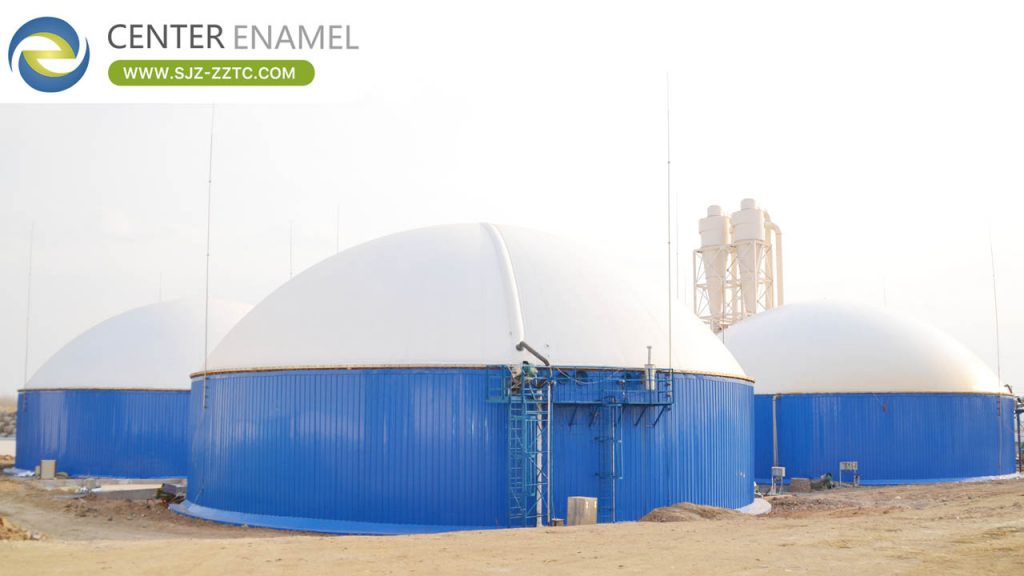
Step 1: Anaerobic Digestion (The Biological Core)
The transformation begins inside sealed, oxygen-free bioreactors (such as Continuous Stirred-Tank Reactors or plug-flow systems).
- Microbial Breakdown: Specialized consortia of bacteria and anaerobic archaea break down complex organic matter through four sequential metabolic phases: hydrolysis, acidogenesis, acetogenesis, and methanogenesis.
- Raw Biogas Generation: The resulting output is raw biogas, typically composed of 50% to 70% methane (CH4) and 30% to 50% carbon dioxide (CO2), alongside trace amounts of moisture, hydrogen sulfide (H2S), and siloxanes.
Step 2: Pre-Treatment and Desulfurization
Before raw biogas can be upgraded into vehicle-grade fuel or pipeline-quality gas, it must undergo thorough pre-treatment to protect downstream equipment:
- Moisture and Impurity Removal: Chillers and condensation traps remove water vapor, while biological or chemical desulfurization towers strip out corrosive hydrogen sulfide (H2S).
Step 3: Biogas Upgrading (Achieving Pipeline Purity)
The critical differentiator for a CNG biogas plant is the upgrading unit, which isolates high-purity methane by stripping out carbon dioxide and trace gases:
- Membrane Separation: Utilizes selective polymer membranes that allow methane to pass while blocking CO2.
- Pressure Swing Adsorption (PSA): Employs solid molecular sieves under fluctuating pressure cycles to selectively adsorb impurities.
- Water or Amine Scrubbing: Uses physical or chemical absorption liquids to wash away carbon dioxide, yielding biomethane with a purity exceeding 97% to 99%.
Step 4: Compression and Cascading Storage (Bio-CNG)
Once purified to natural gas specifications, the biomethane is routed to an industrial multi-stage gas compressor. Pressurized typically between 200 to 250 bar, the gas is stored in high-pressure cascades. From here, it is ready for direct dispensing into heavy commercial vehicle fleets (trucks and buses), local industrial boilers, or injection into municipal natural gas grids.
Comparative Data Table: The CNG Biogas Conversion Workflow
| Process Stage | Primary Equipment & Units | Target Output / Function |
| 1. Anaerobic Digestion | GFS tanks, CSTR bioreactors, heating loops | Converts organic waste into raw biogas (50%--70% CH4) |
| 2. Pre-Treatment | Desulfurization towers, moisture traps | Eliminates corrosive H2S and water vapor |
| 3. Upgrading (Purification) | Membrane skids, PSA units, amine scrubbers | Removes CO2, raising methane purity above 97% |
| 4. Compression & Storage | Multi-stage gas compressors, storage cascades | Pressurizes biomethane to 200–250 bar for vehicle fuel or grid use |
Frequently Asked Questions (FAQ)
Q1: What types of organic waste can a CNG biogas plant process?
A: CNG biogas plants can process a wide variety of organic feedstocks, including agricultural crop residues, livestock manure, municipal organic waste, wastewater sludge, and high-strength industrial organic effluents from food and beverage processing.
Q2: How does Bio-CNG differ from traditional fossil natural gas?
A: Chemically and functionally, purified Bio-CNG (biomethane) is identical to fossil natural gas and can be used interchangeably in standard natural gas engines and pipelines. However, Bio-CNG is carbon-neutral or carbon-negative because it captures and recycles organic waste emissions rather than extracting new fossil carbon from the earth.
Q3: What methane purity is required for Compressed Biogas (Bio-CNG) vehicle fuel?
A: To meet commercial automotive fuel and grid-injection regulations, upgraded biomethane generally must achieve a methane concentration of at least 95% to 98%, with strict limits on moisture, carbon dioxide, and sulfur contaminants.