
How Does Anaerobic Digestion Work? The Complete Biological Process Guide
As industries and municipalities seek sustainable ways to manage organic waste and generate green energy, anaerobic digestion (AD) has become a leading technology. By mimicking natural decomposition in a controlled, oxygen-free environment, anaerobic digestion transforms waste streams—such as agricultural manure, food scraps, and sewage sludge—into valuable renewable biogas and high-grade organic fertilizer.
Understanding how anaerobic digestion works is essential for environmental engineers, plant operators, and sustainability planners aiming to optimize biological efficiency and maximize methane yields.
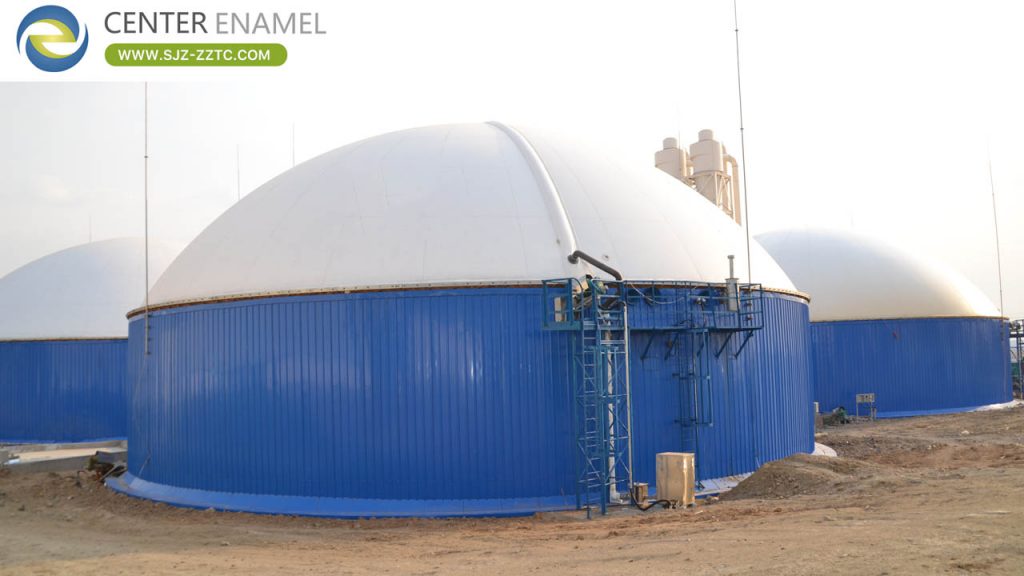
The Core Operating Environment
For anaerobic digestion to function successfully, several critical physical and chemical parameters must be maintained inside a sealed reactor (such as a Continuous Stirred Tank Reactor [CSTR] or a fixed-dome plant):
- Strictly Oxygen-Free Conditions: Atmospheric oxygen must be entirely excluded because the primary microorganisms driving the final stage cannot survive in its presence.
- Temperature Stability: Digestion typically operates under two main thermal ranges: mesophilic (around 35°C–37°C) and thermophilic (around 50°C–55°C), which accelerate microbial metabolism.
- Neutral pH Balance: Maintaining a stable pH between 6.8 and 8.0 prevents volatile fatty acids from accumulating and souring the reactor.
Step-by-Step Breakdown: The Four Biological Stages
Inside the bioreactor, organic matter undergoes a continuous, four-stage biochemical transformation driven by specialized microbial communities:
1. Hydrolysis
Complex polymers found in organic waste—including proteins, carbohydrates, and fats—are too large to enter bacterial cells. Hydrolytic bacteria secrete extracellular enzymes that break these heavy chains down into soluble, smaller molecules like simple sugars, amino acids, and fatty acids.
2. Acidogenesis (Fermentation)
Acid-forming bacteria convert the soluble monomers produced during hydrolysis into volatile fatty acids (VFAs), alcohols, lactic acid, carbon dioxide (CO2), and trace hydrogen sulfide (H2S).
3. Acetogenesis
Acetogenic bacteria process the volatile fatty acids and alcohols, converting them into acetic acid (acetate), carbon dioxide, and direct hydrogen (H2). These compounds serve as the immediate precursors for methane production.
4. Methanogenesis
In the final terminal phase, strict anaerobic microorganisms known as methanogenic archaea consume the acetate and hydrogen, synthesizing methane (CH4) and carbon dioxide (CO2). This gas mixture collects in the reactor headspace as raw biogas.
Comparative Data Table: The Four Stages of Anaerobic Digestion
| Digestion Stage | Primary Microbial Group | Target Substrate | Chemical Conversion Output |
| 1. Hydrolysis | Hydrolytic bacteria | Complex polymers (proteins, carbs, fats) | Soluble monomers (sugars, amino acids) |
| 2. Acidogenesis | Acid-forming bacteria | Soluble sugars and monomers | Volatile fatty acids (VFAs), alcohols, CO2 |
| 3. Acetogenesis | Acetogenic bacteria | VFAs and intermediary alcohols | Acetic acid (acetate), hydrogen, CO2 |
| 4. Methanogenesis | Methanogenic archaea | Acetate, hydrogen, and carbon dioxide | Biogas (Methane [CH4] + CO2) |
Frequently Asked Questions (FAQ)
Q1: What is anaerobic digestion in simple terms?
A: Anaerobic digestion is a natural biological process where microorganisms break down biodegradable organic waste in a strictly oxygen-free environment, producing combustible biogas and nutrient-rich organic fertilizer.
Q2: How long does organic waste stay inside an anaerobic digester?
A: The hydraulic retention time (HRT)—the average duration organic material spends inside the reactor—typically ranges from 20 to 40 days for mesophilic systems, depending on the feedstock type and reactor design.
Q3: What happens to the remaining material after biogas is produced?
A: The solid and liquid byproduct left after digestion is called digestate. Because it is rich in bioavailable nitrogen, phosphorus, and potassium, it is stored and utilized safely as a high-grade organic fertilizer in agriculture.