
Revolutionizing Sustainability with CNG Biogas Plants: The Future of Renewable Energy
As global industries and municipalities race toward net-zero targets, the demand for scalable, dispatchable green energy solutions has never been higher. While solar and wind power dominate electricity grids, heavy-duty transport, industrial heating, and base-load gas supplies require dense, clean gaseous fuel alternatives. Enter the CNG biogas plant—an industrial powerhouse transforming organic waste liabilities into high-purity, carbon-neutral Compressed Natural Gas (CNG) or renewable natural gas (RNG).
By bridging advanced anaerobic digestion with state-of-the-art gas upgrading and high-pressure compression, CNG biogas plants offer a closed-loop blueprint for modern environmental sustainability, energy security, and circular economy implementation.
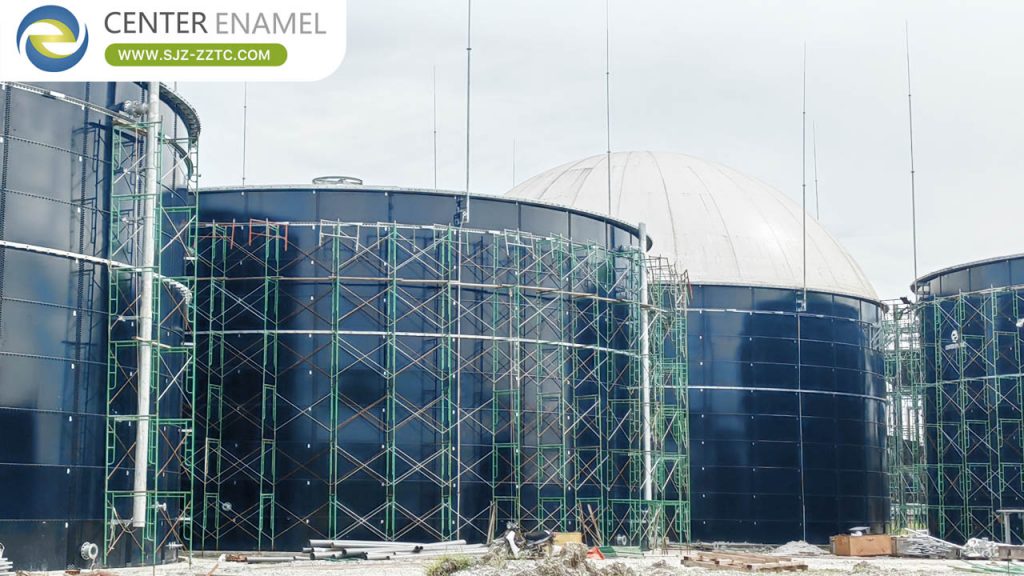
The Sustainability Engine: How CNG Biogas Plants Close the Loop
Traditional waste management models—such as open landfills, agricultural manure lagoons, and untreated wastewater dumping—are major global contributors to fugitive methane emissions. Methane is a potent greenhouse gas with a global warming potential significantly higher than carbon dioxide over a 20-year horizon.
CNG biogas facilities intercept these carbon streams, delivering multi-layered environmental benefits:
- Fugitive Methane Destruction: Capturing organic waste inside sealed bioreactors prevents unmanaged atmospheric emissions, neutralizing greenhouse gases at the source.
- Fossil Fuel Displacement: Purified biomethane achieves a high methane concentration, making it fully interchangeable with geological natural gas. When used in transport or injected into gas grids, it directly displaces fossil fuels.
- Nutrient Recycling and Bio-Fertilizers: The byproduct of anaerobic digestion—known as digestate—retains vital soil nutrients (nitrogen, phosphorus, and potassium), replacing carbon-intensive synthetic fertilizers in agriculture.
Core Engineering Stages of a Sustainable CNG Biogas Facility
An industrial-grade sustainable plant operates through a continuous, integrated pipeline:
- Feedstock Aggregation: Sourcing local organic waste, including agricultural residues, food processing by-products, and municipal organic waste streams, minimizing transport emissions.
- Anaerobic Digestion: Specialized microbial consortia break down complex starches and lipids in oxygen-free tanks, generating raw biogas.
- Advanced Biogas Upgrading: Utilizing technologies like pressure swing adsorption (PSA), membrane separation, or amine scrubbing to strip out carbon dioxide and moisture.
- Compression and Storage: Pressurizing the pure biomethane to 200–250 bar via multi-stage compressors, ready for commercial vehicle fueling cascades or grid injection.
Comparative Data Table: Environmental & Operational Metrics
| Sustainability Dimension | Traditional Fossil Natural Gas | Conventional Waste Management | Modern CNG Biogas Plants |
| Carbon Footprint | High lifecycle fossil emissions | High fugitive methane release | Carbon-neutral to carbon-negative |
| Waste Management | None (extraction-based) | Open dumping, landfill pollution | Diverts organic waste from landfills |
| By-Product Utilization | None | Toxic leachates and odors | High-grade organic bio-fertilizer |
| Energy Security | Dependent on geopolitical reserves | Localized waste utilization | Decentralized, sovereign energy supply |
Frequently Asked Questions (FAQ)
Q1: How do CNG biogas plants achieve a carbon-negative footprint?
A: Many CNG biogas plants achieve net-negative carbon emissions because they capture and destroy fugitive methane (a potent greenhouse gas) from agricultural manure or food waste that would otherwise vent freely into the atmosphere. Displacing fossil fuels with this captured energy compounds the carbon offset.
Q2: Can bio-CNG be used directly in standard natural gas vehicles?
A: Yes. Once upgraded biomethane reaches high purity and undergoes strict moisture and sulfur removal, its chemical properties are identical to fossil natural gas. It can be used seamlessly in any standard CNG-powered vehicle, bus, or industrial engine.
Q3: What role do agricultural and food wastes play in sustainable plant design?
A: Organic wastes serve as the renewable fuel source that drives the entire system. Co-digesting agricultural crop residues, animal slurries, and commercial food waste optimizes the carbon-to-nitrogen ratio inside the digesters, maximizing gas yields while solving regional waste accumulation crises.