
The Palm Oil Mill Effluent Treatment Process: A Comprehensive Technical Guide
The palm oil industry plays a vital economic role across major producing regions like Southeast Asia, Latin America, and West Africa. However, extracting crude palm oil (CPO) from fresh fruit bunches (FFB) is a water-intensive process that generates massive volumes of Palm Oil Mill Effluent (POME).
Characterized by an extremely high biochemical oxygen demand (BOD ranging from 25,000 to 35,000 mg/L) and chemical oxygen demand (COD exceeding 50,000 mg/L), raw POME is a thick, brownish colloidal suspension. If discharged untreated, it poses severe ecological risks. Implementing an efficient palm oil mill effluent treatment process is mandatory for environmental compliance, resource recovery, and sustainable operations.
Sources of Palm Oil Mill Effluent (POME)
To understand how POME is treated, it is crucial to recognize where wastewater originates within the milling process:
- Sterilization Process (~36% of POME): Steam sterilization of FFBs softens fruitlets and deactivates enzymes, generating condensate rich in organic matter.
- Clarification Process (~60% of POME): Water is added during oil extraction and separation, producing high-temperature wastewater laden with residual oil, grease, and suspended solids.
- Hydrocyclone / Nut Separation (~4% of POME): Washing and separating cracked shells and kernels generates minor wastewater streams containing fine silt and particulate matter.
Step-by-Step Palm Oil Mill Effluent Treatment Process
A modern, highly efficient POME treatment plant typically follows a multi-stage engineered train designed to progressively lower pollution loads while capturing renewable energy.
Phase 1: Pre-Treatment and Conditioning
- Screening and Coarse Filtration: Raw POME passes through mechanical bar screens to remove large suspended solids, fibers, and foreign debris.
- Oil & Grease Removal: The effluent flows through a skim tank or grease trap. Recovering residual oil prevents downstream fouling and adds secondary revenue.
- Cooling and Flow Equalization: Because raw POME exits the mill at high temperatures (70°C–90°C), cooling towers or equalization basins adjust the temperature and balance hydraulic surges before biological treatment.
Phase 2: Anaerobic Biological Treatment (High-Rate Digestion)
Anaerobic digestion is the workhorse of POME treatment, capable of removing 85% to 95% of organic pollutants.
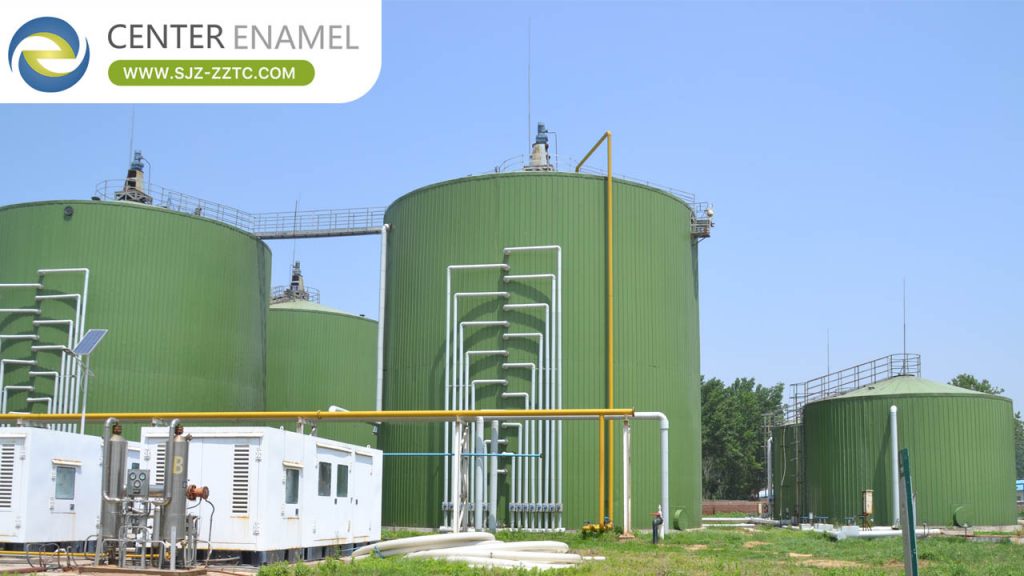
- Reactor Types: Advanced mills utilize Continuously Stirred Tank Reactors (CSTR) or Upflow Anaerobic Sludge Blanket (UASB) systems instead of open lagoons.
- Biogas Recovery: Specialized anaerobic bacteria break down complex organics in the absence of oxygen, generating methane-rich biogas. This gas is captured, scrubbed, and used in combined heat and power (CHP) engines to run the mill.
Phase 3: Aerobic Biological Treatment (Polishing Stage)
After anaerobic digestion, the effluent still contains residual BOD, nitrogen, and suspended solids that exceed final discharge limits.
- Aerobic Processes: Wastewater enters activated sludge systems, Sequencing Batch Reactors (SBR), or Extended Aeration basins.
- Nutrient Breakdown: Aerobic microorganisms oxidize remaining soluble organics and convert ammonia-nitrogen into nitrates through active aeration.
Phase 4: Tertiary Treatment & Water Reuse (Optional / Advanced)
- Membrane Filtration & Clarification: Advanced facilities integrate ultrafiltration (UF) or membrane bioreactors (MBR) to remove micro-particulate matter and pathogens.
- Zero Liquid Discharge (ZLD): For mills facing strict environmental frameworks or water scarcity, evaporation and crystallization units recycle up to 95% of treated water back into industrial processes.
Comparison Data Table: POME Treatment Stages
| Treatment Stage | Primary Technology Used | Target Parameter Reduction | Energy Profile | Key Operational Output |
| Pre-Treatment | Mechanical screens, grease traps, cooling towers | Suspended solids, free oil & grease | Low energy | Recovered oil, cooled raw wastewater |
| Anaerobic Treatment | CSTR, UASB closed anaerobic reactors | COD/BOD reduction (85%–95%) | Net Energy Producer | Methane biogas, stabilized effluent |
| Aerobic Treatment | SBR, Activated Sludge, Aerated Lagoons | Residual BOD, TSS, Ammonia-N | Moderate energy | Clean secondary effluent |
| Tertiary Treatment | MBR, Ultrafiltration, Sand Filters | Total dissolved solids, color, pathogens | High energy | Reclaimed water for utility or boiler feed |
Frequently Asked Questions (FAQ)
Q1: Why is raw palm oil mill effluent (POME) so difficult to treat?
A: Raw POME contains extremely high concentrations of organic matter, with Chemical Oxygen Demand (COD) exceeding 50,000 mg/L and high levels of suspended solids and residual oils. Its complex colloidal structure requires a multi-stage biological and physical treatment train to stabilize.
Q2: How does anaerobic digestion benefit a palm oil mill?
A: Anaerobic digestion breaks down high-strength organic pollutants without oxygen, significantly reducing BOD and COD while generating large volumes of methane-rich biogas. Mills capture this biogas to produce renewable electricity and thermal energy, offsetting operational costs.
Q3: Are open anaerobic ponds still recommended for POME treatment?
A: While historically common due to low initial costs, open ponds are increasingly phased out because they require vast areas of land, have long retention times, and emit large quantities of fugitive greenhouse gases (methane) into the atmosphere. Modern mills favor enclosed high-rate anaerobic reactors.