
Utilization of Pig Manure in Anaerobic Digesters: A Technical Guide to Biogas Production
Swine farming is a cornerstone of global agriculture, but it generates significant volumes of liquid manure. Traditional disposal methods—such as storage in open lagoons—pose severe environmental risks, including groundwater contamination and uncontrolled methane emissions. The utilization of pig manure in anaerobic digesters transforms this liability into a strategic asset. By applying controlled biological processes, livestock operations can generate renewable energy, capture fugitive greenhouse gases, and produce high-quality organic bio-fertilizer.
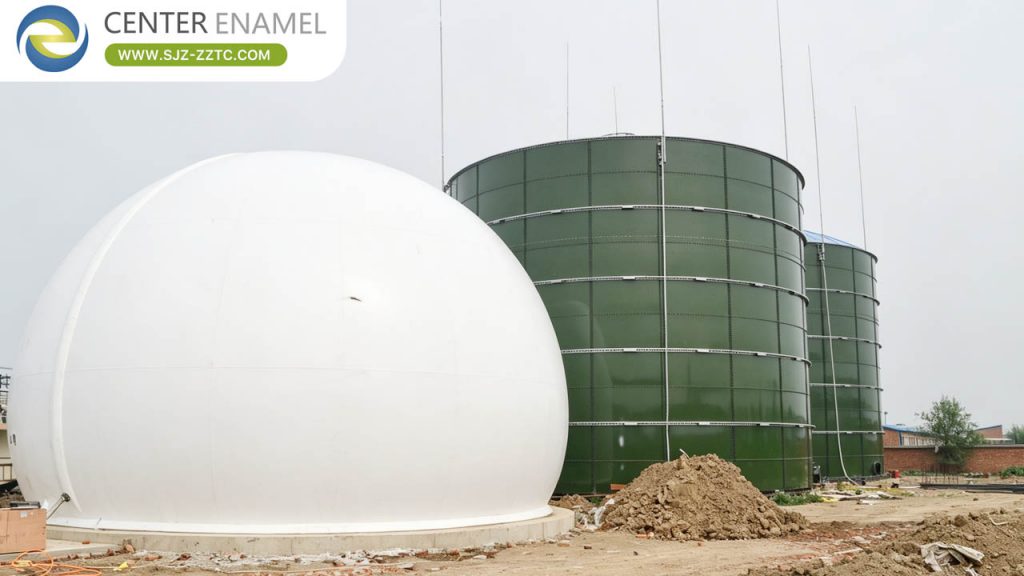
Understanding the Feedstock: Pig Slurry Characteristics
Pig manure is typically managed as a liquid slurry. Its chemical composition makes it an excellent candidate for anaerobic digestion, but it requires specific engineering considerations:
- High Nitrogen Content: Swine manure is rich in protein-derived nitrogen. While beneficial for plant growth in the final digestate, it can lead to high ammonia concentrations within the digester, which may inhibit microbial activity if not managed correctly.
- Total Solids (TS) Range: Pig slurry typically has a low TS content (4%–8%), making it pumpable. This allows for the use of high-efficiency liquid-state digestion technologies.
- Buffering Capacity: The natural chemistry of pig manure provides excellent buffering against pH fluctuations, which helps stabilize the digestion process compared to high-sugar substrates.
Digester Technology: Selecting the Right System
The selection of reactor technology is the most critical decision in project development. For swine manure, the following systems are industry standards:
- Continuous Stirred-Tank Reactors (CSTR): The most common technology for pig slurry. These tanks utilize internal mechanical agitators to keep solids suspended and ensure uniform temperature and nutrient distribution.
- Plug Flow Reactors: Ideal for semi-solid waste, these reactors move material linearly through a channel or long tank. They are excellent for operations that want to minimize the risk of "short-circuiting" (where fresh manure exits before being fully digested).
- Covered Anaerobic Lagoons: A low-cost solution for very large, liquid-heavy operations. These involve covering existing ponds with specialized membrane material to capture biogas, though they offer less control over thermal regimes and biological stability than steel tank systems.
The Process: Maximizing Methane Yield
Successful energy recovery from pig manure requires a four-phase biological reaction:
- Hydrolysis: Breaking down complex proteins and fats.
- Acidogenesis: Converting monomers into volatile fatty acids (VFAs).
- Acetogenesis: Creating acetate and hydrogen.
- Methanogenesis: The final conversion into methane (CH₄).
Pro-Tip for Optimization: Many operators utilize Co-Digestion—adding carbon-rich materials (like agricultural residues or food waste) to pig slurry. This balances the Carbon-to-Nitrogen (C:N) ratio, preventing ammonia toxicity and significantly boosting methane yields.
Comparative Data Table: Pig Manure Digester Technologies
| Digester Technology | Feedstock Compatibility | Primary Operational Benefit | Complexity/Capital Cost |
| CSTR (Steel/Concrete) | Liquid slurry (4-8% TS) | High biological control, temperature stability | Moderate/High |
| Plug Flow Reactor | Semi-solid slurry (8-12% TS) | Reduced short-circuiting, steady output | Moderate |
| Covered Lagoon | Dilute liquid (1-3% TS) | Low capital cost, handles large volumes | Low |
| Thermophilic Digestion | All liquid slurries | Faster digestion rate, improved pathogen removal | High |
Frequently Asked Questions (FAQ)
Q1: Why is pig manure considered a good substrate for biogas?
A: Pig manure is liquid-rich, easily pumpable, and has good natural buffering capacity. This makes it highly compatible with standard liquid-based anaerobic digester technologies like CSTRs.
Q2: What is the biggest operational challenge when using pig manure?
A: The primary challenge is its high nitrogen content. If the digester is not balanced (via co-digestion or proper loading rates), high ammonia concentrations can inhibit the methanogenic bacteria, leading to a drop in gas production.
Q3: Can I use the leftover material (digestate) after the biogas is produced?
A: Yes. The remaining digestate is an excellent bio-fertilizer. Anaerobic digestion retains the nitrogen, phosphorus, and potassium from the original manure but in a more bioavailable form for crops, while also significantly reducing the odor of the raw slurry.