
Acceptable Methane Slip in Biomethane Upgrading: Limits and Measurement
Acceptable methane slip in biomethane upgrading is generally below 1–2% of the methane entering the plant, with best-in-class operations achieving 0.1–0.5%. Typical by technology: amine scrubbing 0.1–0.5%, water scrubbing 0.1–1%, membrane 0.5–3%, PSA 1–3%. Because methane is roughly 28× more potent than CO₂ as a greenhouse gas and is the product you sell, slip above about 2% usually fails both emissions expectations and project economics.
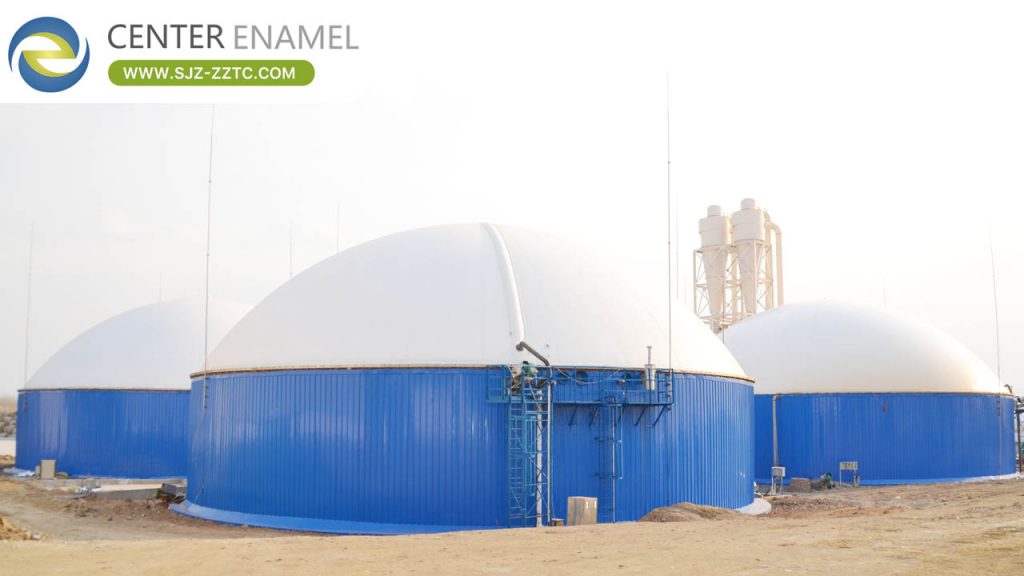
Why Slip Matters Twice Over
Slip is a double loss. Commercially, every percent of methane lost is a percent of saleable biomethane gone—direct revenue leakage. Environmentally, unburned methane vented with the off-gas carries a 100-year global warming potential of about 28× CO₂, so a 3% slip can erase much of the climate benefit that justified the project. This is why certification schemes and regulators increasingly set explicit slip ceilings rather than treating off-gas as harmless CO₂.
Comparative Data Table: Slip by Technology
| Technology | Typical Slip | Best-in-Class | Off-gas Route |
| Amine scrubbing | 0.1–0.5% | 0.1% | Recycle / flare |
| Water scrubbing | 0.1–1% | 0.1% | Recycle to inlet |
| Membrane | 0.5–3% | 0.5% | Recycle / flare |
| PSA | 1–3% | 1% | Recycle / flare |
| Cryogenic | <0.5% | 0.1% | Vented as CO₂ product |
How to Reduce and Verify Slip
Four measures work: recycle the off-gas back to the upgrader inlet, add a polishing membrane or second stage, flare or oxidize any remaining methane in the off-gas, and tune operating pressure and temperature to the design window. Verification matters as much as reduction—continuously measure methane in both product and off-gas, reconcile the balance monthly, and keep records, since assumed slip is routinely lower than measured slip.
Frequently Asked Questions (FAQ)
Q1: What is typical methane slip by technology?
A: Amine scrubbing 0.1–0.5%, water scrubbing 0.1–1%, membrane 0.5–3%, PSA 1–3%, and cryogenic below 0.5%. Best-in-class plants reach 0.1–0.5% regardless of route through off-gas recycling and polishing stages.
Q2: Why does methane slip matter?
A: Twice over. It is lost saleable product, and vented methane carries about 28× the 100-year warming potential of CO₂, so a 3% slip can cancel much of the climate benefit that justified the project.
Q3: How do you reduce methane slip?
A: Recycle off-gas to the upgrader inlet, add a polishing or second-stage membrane, flare or oxidize remaining methane, and keep pressure and temperature within the design window. Recycling usually delivers the largest single reduction.
Q4: How should slip be measured?
A: Measure methane continuously in both the product and the off-gas streams, then reconcile a monthly methane balance. Assumed slip is routinely lower than measured slip, so direct measurement is essential for reporting and certification.