
Activated Sludge vs Anaerobic Digestion: What's the Difference?
In wastewater treatment, the terms "activated sludge" and "anaerobic digestion" are sometimes used interchangeably by those unfamiliar with plant operations. This is a fundamental misunderstanding. While both rely on microorganisms to break down organic matter, they operate under opposite conditions, serve different purposes, and produce vastly different outputs.
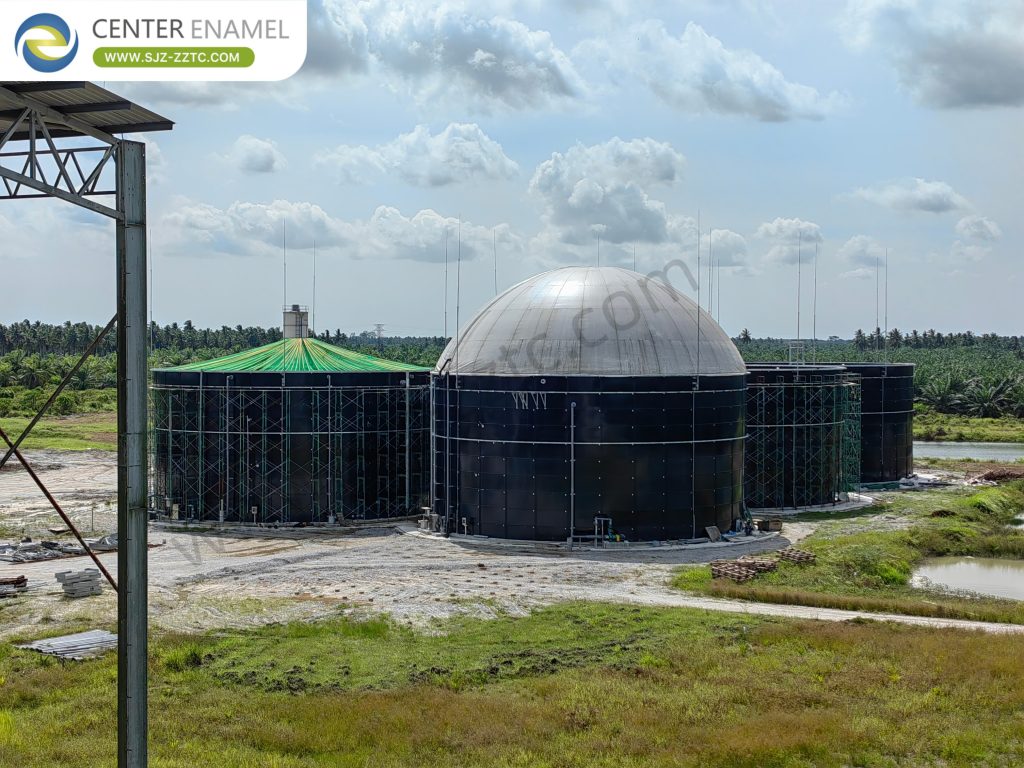
Activated sludge is an aerobic process designed to clean water. It uses oxygen-loving microorganisms to consume organic pollutants, producing a clear effluent that can be safely discharged. Anaerobic digestion is an oxygen-free process designed to stabilize solids. It breaks down organic material in the absence of oxygen, producing biogas as a renewable energy source and a stabilized digestate. Understanding the distinction between these two processes is essential for anyone involved in wastewater treatment design, operation, or management.
What Is Activated Sludge? The Aerobic Workhorse
Activated sludge is a suspended-growth biological treatment process in which a dense microbial culture is mixed with wastewater in an aerated tank. Air is continuously supplied to maintain dissolved oxygen levels, allowing aerobic bacteria to metabolize organic matter. The microorganisms form flocs-clumps of cells held together by extracellular polymers-which are essential for separating the biomass from treated water in a secondary clarifier.
The settled sludge is partially returned to the aeration tank to maintain a high microbial population, while the excess is wasted. This recycle loop is what makes the process "activated"-the biomass is continuously rejuvenated and ready to consume incoming pollutants. Activated sludge is the most widely used secondary treatment process globally, capable of achieving high removal rates for biochemical oxygen demand (BOD), suspended solids, and nutrients.
What Is Anaerobic Digestion? The Energy-Recovery Process
Anaerobic digestion is a biological process that decomposes organic matter in the complete absence of oxygen. It is typically applied to the sludge produced by activated sludge and other treatment processes, though it can also treat high-strength organic wastes directly. The process proceeds through four stages-hydrolysis, acidogenesis, acetogenesis, and methanogenesis-carried out by distinct microbial groups.
The final stage, methanogenesis, is performed by strictly anaerobic archaea that convert organic acids into methane and carbon dioxide. The resulting biogas typically contains 55–65% methane and has a calorific value of 17–34 MJ per cubic meter. This biogas can be burned for heat and power, making anaerobic digestion a net energy producer. The residual digestate is a stabilized, nutrient-rich material that can be used as a soil amendment.
The Fundamental Difference: Oxygen
The most obvious and important distinction between activated sludge and anaerobic digestion is the presence of oxygen. Activated sludge is an aerobic process. Oxygen is continuously supplied through diffusers or mechanical aerators to support microbial respiration. Without adequate dissolved oxygen-typically maintained around 2 mg/L-the aerobic bacteria cannot function, and the treatment process fails.
Anaerobic digestion is an anaerobic process. Oxygen is not merely absent; it is toxic to the methanogenic microorganisms that perform the final, critical step of biogas production. The digester must be a sealed, oxygen-free vessel. The microbial communities in the two processes are entirely different: aerobes and facultative organisms dominate activated sludge, while obligate anaerobes and archaea drive anaerobic digestion.
Purpose and Products: Water Treatment vs. Sludge Stabilization
The primary purpose of activated sludge is wastewater treatment. Its goal is to remove organic pollutants and nutrients from water so that the effluent meets discharge standards. The main product is treated water. The byproduct is waste activated sludge, which itself requires further handling and disposal.
Anaerobic digestion, in contrast, is primarily a sludge treatment process. Its goal is to stabilize the solids generated by activated sludge and other processes, reducing their volume, destroying pathogens, and eliminating odors. The main products are biogas-a valuable renewable fuel-and digestate, a stabilized material suitable for land application. In a typical plant, activated sludge comes first; anaerobic digestion handles the sludge that activated sludge produces.
Table 1: Purpose and Output Comparison
| Aspect | Activated Sludge | Anaerobic Digestion |
| Primary Goal | Remove pollutants from water | Stabilize sludge, recover energy |
| Main Product | Treated effluent | Biogas (CH₄ + CO₂) |
| Byproduct | Waste activated sludge | Digestate (stabilized biosolids) |
| Position in Plant | Secondary treatment (liquid train) | Sludge treatment (solids train) |
| Environmental Role | Protects receiving waters | Recovers resources, reduces disposal volume |
Operational Conditions: Retention Time, Temperature, and Energy
The operational parameters of the two processes differ sharply. Activated sludge systems operate at ambient wastewater temperatures with hydraulic retention times measured in hours-typically 5 to 14 hours in conventional systems, rising to 24–72 hours in low-rate configurations. The solids retention time (SRT), which controls the microbial population, ranges from a few days in high-rate systems to 20 days or more in extended aeration or nutrient-removal configurations.
Anaerobic digesters require much longer retention times-typically 20 to 30 days or more-because the methanogenic archaea grow slowly and are sensitive to operational disturbances. Temperature must be carefully controlled, usually in the mesophilic range of 30–40°C or the thermophilic range of 45–65°C. Even small temperature fluctuations can disrupt methane production.
The energy profiles are diametrically opposed. Activated sludge is a significant energy consumer, primarily for aeration. Anaerobic digestion is a net energy producer through biogas recovery. This difference is a major consideration in treatment plant sustainability and operating costs.
Table 2: Operational and Energy Comparison
| Parameter | Activated Sludge | Anaerobic Digestion |
| Oxygen | Required (aerobic) | Must be absent (anaerobic) |
| Typical Retention Time | 5–24 hours | 20–30+ days |
| Temperature | Ambient wastewater temperature | Controlled: 30–40°C (mesophilic) or 45–65°C (thermophilic) |
| Energy Balance | Net consumer (aeration) | Net producer (biogas) |
| Key Microbial Group | Aerobic bacteria, protozoa | Methanogenic archaea |
| Sensitivity | Moderate; responds to loads | High; pH, temperature, and toxins must be controlled |
Advantages and Limitations of Each Process
Activated sludge offers flexibility and high treatment quality. It can be configured for biological nutrient removal, adapted to varying loads, and operated to produce consistently low-solids effluent. However, it is operator-intensive, energy-hungry, and vulnerable to operational problems such as filamentous bulking and foaming, which impair sludge settling. It also generates significant quantities of waste sludge that must be managed.
Anaerobic digestion excels at resource recovery. It reduces sludge volume by 30–60%, destroys pathogens, and produces biogas that can offset plant energy costs. The digestate is a valuable soil product. Its limitations include slow kinetics, sensitivity to temperature and pH fluctuations, and the need for skilled operation to maintain stable methane production. It is not a water-treatment process; it cannot produce a dischargeable effluent on its own.
How They Work Together in a Treatment Plant
In a modern wastewater treatment plant, activated sludge and anaerobic digestion are not competitors-they are complementary stages in an integrated system. Wastewater flows through primary treatment, then activated sludge for biological pollutant removal. The secondary clarifier separates treated water from biomass. A portion of the biomass returns to the aeration tank; the excess-waste activated sludge-is thickened and fed to anaerobic digesters.
The digesters stabilize the sludge, reduce its mass, and generate biogas. The biogas can be used to heat the digesters themselves or to generate electricity for the plant. The digested biosolids are dewatered and beneficially reused. This integrated approach maximizes both environmental protection and resource recovery, turning what was once a disposal problem into a source of energy and valuable byproducts.
FAQ
What is the main difference between activated sludge and anaerobic digestion?
The main difference is oxygen. Activated sludge is an aerobic process that uses oxygen-loving microorganisms to remove pollutants from water, producing treated effluent. Anaerobic digestion is an oxygen-free process that breaks down organic matter in sludge, producing biogas and stabilized digestate.
Can anaerobic digestion replace activated sludge for wastewater treatment?
No. Anaerobic digestion cannot produce a dischargeable effluent on its own. It is designed to treat solids, not to polish water to environmental standards. Activated sludge (or another aerobic process) is necessary for removing organic matter and nutrients from the liquid stream. The two processes serve different, complementary functions in a treatment plant.
Why does anaerobic digestion produce energy while activated sludge consumes it?
Anaerobic digestion converts organic matter into methane, a combustible gas that can be captured and used as fuel. The process conserves energy in the chemical bonds of methane. Activated sludge, by contrast, requires large amounts of electricity to supply oxygen for aeration. The aerobic microbes oxidize organic matter completely to carbon dioxide and water, releasing energy that is used for their growth rather than being captured.
Ready to optimize your treatment process? Contact our team to discuss how the right combination of activated sludge and anaerobic digestion can improve your plant's performance and energy balance.
Reach out today for a consultation tailored to your facility's needs.