
Advanced Effluent and Solid Waste Management Technologies for the Textile Industry: Engineering a Circular Future
The global fashion and textile manufacturing sector is currently navigating its most significant regulatory transformation. For the modern Textile Industry, the management of liquid discharge and residual fiber waste has evolved from a simple disposal requirement into a core metric of operational viability. Characterized by high water consumption and the use of complex chemical formulations, textile manufacturing generates a unique stream of challenging residues—from high-strength dyes and surfactants to fiber-heavy sludge. Addressing these challenges requires the integration of advanced Effluent and Solid Waste Management Technologies. By transforming these liabilities into reclaimed water and energy resources, manufacturers can significantly reduce their environmental footprint while securing a sustainable competitive advantage in an increasingly green global market.
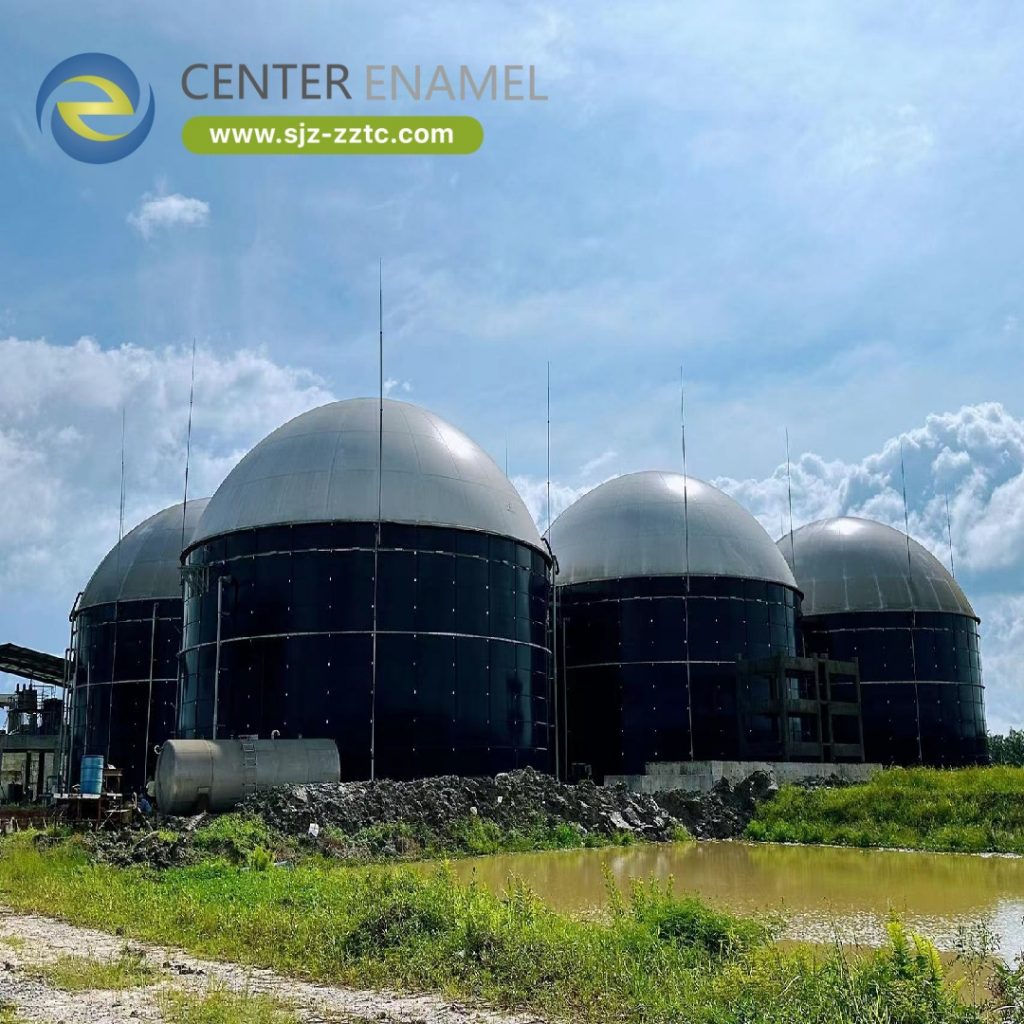
Shijiazhuang Zhengzhong Technology Co., Ltd, operating under the world-renowned brand Center Enamel, stands as a global leader in providing the specialized engineering infrastructure necessary for this transition. With over thirty years of innovation and a project footprint extending to more than one hundred countries, we provide the essential containment and processing solutions that make high-efficiency resource recovery a reality. Our expertise lies in the integration of Glass-Fused-to-Steel technology, high-performance Epoxy Coated Tanks, and advanced gas management systems, creating a cohesive platform designed to withstand the aggressive chemical nature of textile residues while maximizing the efficiency of modern Effluent and Solid Waste Management Technologies
Technical Foundations: Managing the Textile Waste Stream
To deliver effective Effluent and Solid Waste Management Technologies for the Textile Industry, one must understand the complex chemical "fingerprint" of the waste generated. Textile manufacturing involves diverse processes—scouring, bleaching, dyeing, and finishing—each adding specific pollutants to the stream.
1. Comprehensive Effluent Treatment Solutions
Textile effluent is often characterized by high color intensity, fluctuating pH levels, and the presence of refractory organic compounds.
Color Removal and Advanced Oxidation: Utilizing specialized reactors to break down complex synthetic dye molecules that resist traditional biological treatment.
Chemical Coagulation and Flocculation: Using precision-engineered tanks for the dosing and settling of solids, ensuring that chemical residues and suspended fibers are effectively removed before secondary treatment.
2. Integrated Solid Waste Management
Beyond liquid discharge, the Textile Industry produces significant volumes of solid waste, including fiber sludge from treatment plants and organic processing residues.
Anaerobic Digestion of Organic Solids: Modern facilities are increasingly utilizing anaerobic processes to stabilize organic sludge, reducing waste volume while capturing renewable energy in the form of biogas.
Nutrient and Resource Recovery: Stabilized solids can be repurposed as industrial feedstocks or soil amendments, closing the loop on the manufacturing process.
Core Infrastructure: GFS and Epoxy Coated Tank Solutions
A successful facility for the Textile Industry requires containment infrastructure that can handle the aggressive nature of dyes, salts, and decomposing organic solids.
1. Glass-Fused-to-Steel (GFS) Technology
Our flagship GFS tanks are the global benchmark for core reactors and aeration basins in textile waste projects. By fusing high-tech glass enamel to specialized steel at high temperatures, we create a material that combines the structural strength of steel with the chemical inertness of glass. These tanks offer unparalleled resistance to the alkaline chemicals and oxidative agents used in textile processing. Their modular bolted design allows for rapid site assembly, which is vital for facilities looking to upgrade their treatment capacity without interrupting production.
2. Epoxy Coated Tanks: High-Performance Industrial Storage
As a critical part of our infrastructure portfolio, Center Enamel’s Epoxy Coated Tanks provide an excellent solution for various auxiliary and storage stages within the treatment train.
Advanced Coating Technology: Our epoxy tanks utilize a high-specification electrostatic powder coating process. This results in a smooth, durable finish that provides excellent resistance against a wide range of industrial chemicals, cleaning agents, and process fluids.
Versatile Application: These tanks are ideal for equalization, storage of treated effluent, or as sludge thickening vessels. They offer a cost-effective yet highly durable alternative where high corrosion resistance is essential, ensuring the entire facility maintains a consistent standard of quality.
Precision Manufacturing: Every tank is manufactured under strict factory-controlled conditions to ensure consistent coating thickness and superior bond strength, providing a reliable long-term storage solution.
3. Aluminum Dome Roofs: Maintenance-Free Protection
For aeration basins, secondary clarifiers, and sludge storage where gas capture is not the primary requirement, Center Enamel provides specialized Aluminum Dome Roofs . These self-supporting geodesic structures are a vital component of modern Effluent and Solid Waste Management Technologies.
Corrosion Resistance: Constructed from high-strength aluminum alloy, these roofs are naturally resistant to the humid and corrosive atmosphere of a textile treatment plant.
Structural Efficiency: The geodesic design allows for vast spans without the need for internal support columns, ensuring that internal mixing and aeration equipment can operate without obstruction.
Environmental Control: These roofs provide essential odor control and prevent rainwater from entering the system, all while requiring zero painting or structural maintenance throughout their lifespan.
Advanced Gas Management: Double Membrane Roof Systems
In any application of Effluent and Solid Waste Management Technologies involving anaerobic digestion of sludge, the efficient capture and pressure regulation of the produced biogas are critical. Center Enamel’s Double Membrane Roofs are engineered as a dynamic, integrated gas management solution.
1. Dual-Layer Pressure Control
The system uses an inner membrane for gas storage and a constantly pressurized outer membrane for structural protection. This ensures that the anaerobic reactor maintains a consistent internal pressure, protecting the biological process and the tank structure from mechanical stress.
2. Gas Integrity and Safety
Our membranes are UV-stabilized and chemically resistant, ensuring they can withstand the aggressive vapors found in industrial anaerobic environments while providing an airtight seal for methane capture. High-precision sensors track gas levels in real-time, feeding data back to the plant management system for energy optimization
Sustainability and Economic ROI for the Textile Sector
Implementing advanced Effluent and Solid Waste Management Technologies through Center Enamel’s EPC services is a strategic economic decision for any modern textile manufacturer:
Water Reclamation: Professional treatment allows for the reuse of process water, significantly reducing fresh water purchase costs and discharge fees.
Energy Recovery: Capturing energy from solid waste can offset a portion of the plant's thermal or electrical load, lowering the carbon footprint of the final textile product.
Operational Longevity: Utilizing high-durability materials like GFS and Epoxy Coated Tanks ensures the treatment facility remains operational for decades with minimal maintenance costs.
Global Project Excellence: Center Enamel Project Cases
Our expertise in providing comprehensive solutions for the Textile Industry and related sectors is proven through successful industrial installations:
Jiangsu Xuzhou Biogas Project This project involved the deployment of 4 units of our advanced containment technology. It serves as a model for how professional EPC services can be used to rapidly build the essential infrastructure needed for industrial energy recovery from diverse agricultural waste sources.
Shaoyang Food Waste Treatment Project Located in Hunan, this project integrated Center Enamel’s bolted tanks to solve local organic waste challenges. The facility utilized 4 units of specialized tanks to transform hazardous residue into a stabilized resource, proving our ability to manage complex solid-liquid separation.
Sichuan Municipal and Industrial Sewage Project This large-scale facility deployed 4 units of our advanced containment technology to manage a mixed stream of municipal and industrial wastewater. The modular design allowed the facility to scale its capacity quickly while meeting strict discharge standards.
Engineering the Future of Textile Sustainability
The implementation of advanced Effluent and Solid Waste Management Technologies represents a transformative step for any facility within the Textile Industry. By converting a byproduct into a reclaimed resource, manufacturers can protect their local water resources while securing a resilient energy future.
At Shijiazhuang Zhengzhong Technology Co., Ltd (Center Enamel), we are dedicated to providing the innovation and engineering excellence that make these projects a success. From our premier GFS tanks and high-performance Epoxy Coated Tanks to our specialized gas management systems and Aluminum Dome Roofs, we offer a total containment solution designed for the future of industrial sustainability. Our commitment to quality and modular efficiency ensures that every project we undertake is built to perform and engineered to last.