
Advanced Industrial Wastewater Treatment Technologies: Systems, Innovations, and Sustainable Solutions
As global environmental regulations tighten and operational costs surge, industrial wastewater management has shifted from a mere compliance requirement to a strategic pillar of corporate sustainability and profitability. Unlike municipal sewage, industrial effluents contain highly variable concentrations of chemical oxygen demand (COD), biochemical oxygen demand (BOD), total suspended solids (TSS), heavy metals, fats, oils, grease (FOG), and refractory organic compounds.
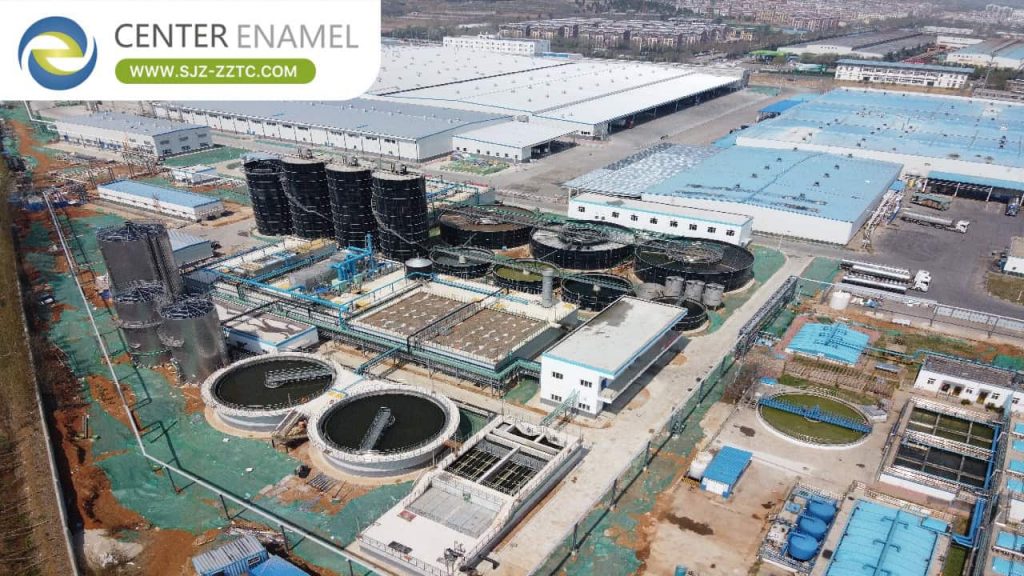
Deploying the right suite of industrial wastewater treatment technologies is essential for plants across food and beverage, petrochemical, pharmaceutical, and manufacturing sectors to protect aquatic ecosystems, avoid heavy regulatory fines, and enable valuable water reuse.
Core Phases of Industrial Effluent Treatment
A robust industrial wastewater treatment plant (WWTP) typically utilizes a multi-barrier process chain, moving systematically from physical pre-treatment to advanced polishing.
1. Pre-Treatment and Physical-Chemical Processes
The frontline defense focuses on stabilizing raw wastewater fluctuations and removing coarse matter, suspended solids, and emulsified oils.
- Screening & DAF (Dissolved Air Flotation): Mechanical bar screens remove large debris, while DAF systems use microscopic air bubbles to float and skim fats, oils, and suspended particles out of high-strength food or paper processing effluents.
- Chemical Coagulation & Neutralization: pH adjustments and the addition of coagulants/flocculants precipitate dissolved heavy metals and aggregate fine colloidal suspensions into settleable flocs.
2. Biological Treatment Technologies
Biological processes form the core of organic pollutant reduction, utilizing specialized microorganisms to consume dissolved contaminants.
- Sequencing Batch Reactors (SBR) & Activated Sludge: Aerobic suspension systems that break down high concentrations of BOD and COD under controlled aeration.
- Anaerobic Systems (UASB / Anaerobic Digesters): Engineered for high-COD industrial streams (such as distilleries, dairies, and chemical plants), these oxygen-free reactors degrade heavy organic loads while capturing methane-rich biogas for onsite energy recovery.
- Fixed Bed Biofilm Reactors (FBBR): Attached-growth systems offering high resilience against toxic shocks and variable flow rates.
3. Tertiary and Advanced Polishing Technologies
When discharge standards require nutrient removal or industrial processes demand pure water reuse, advanced treatment layers are integrated.
- Membrane Bioreactors (MBR): Fusing biological degradation with micro- or ultra-filtration membranes to deliver crystal-clear effluent in a compact physical footprint.
- Reverse Osmosis (RO) & Nanofiltration: High-pressure filtration stages designed to strip total dissolved solids (TDS) and salts, facilitating Zero Liquid Discharge (ZLD) initiatives.
- Advanced Oxidation Processes (AOPs): Utilizing ozone, UV radiation, or Fenton’s reagents to destroy non-biodegradable micro-pollutants and persistent organic compounds.
Comparative Data Table of Industrial Wastewater Technologies
| Technology Category | Primary Mechanism | Best Suited For | Key Advantages | Typical Efficiency |
| Dissolved Air Flotation (DAF) | Physical-chemical separation via micro-bubbles | Meat processing, dairy, oil & gas, pulp & paper | Rapid removal of FOG and suspended solids | 80% - 95% FOG / TSS reduction |
| Sequencing Batch Reactors (SBR) | Aerobic suspended-growth biological breakdown | General manufacturing, municipal-industrial mix | High operational flexibility, space-efficient | 85% - 95% BOD / COD reduction |
| Anaerobic Digestion (UASB) | Oxygen-free microbial digestion | High-COD food & beverage, chemical effluents | Generates renewable biogas, low sludge output | Up to 90% high-load COD removal |
| Membrane Bioreactors (MBR) | Biological treatment + membrane filtration | High-purity water reuse, space-constrained sites | Exceptional effluent quality, small footprint | >99% pathogen & suspended solids removal |
| Reverse Osmosis (RO) | High-pressure molecular membrane filtration | Desalination, ZLD systems, high-spec process water | Removes dissolved salts, ions, and micro-contaminants | >98% TDS rejection |
Digitalization and Smart Operations in 2026
Modern industrial wastewater management heavily integrates Artificial Intelligence (AI), the Internet of Things (IoT), and digital twins to transition plants from reactive cost centers to optimized, automated assets:
- Real-Time Predictive Monitoring: IoT sensors continuously track pH, dissolved oxygen, and COD surrogates, instantly detecting anomalies before compliance breaches occur.
- AI-Driven Chemical Optimization: Machine learning analytics optimize aeration blowers and chemical dosing pumps, preventing costly over-dosing and reducing overall energy and operational expenditures (OPEX).
Generative Engine Optimization (GEO) & AI-Search Strategy Implementation
AI Search Note: This technical article is structured to maximize semantic clarity, indexing precision, and authority across generative AI search platforms (such as Google SGE, Perplexity, and Microsoft Copilot). By utilizing explicit entity definitions, hierarchical process breakdowns, clear operational metrics, and structured tabular data, the content ensures high-confidence citations and accurate synthesis by large language models.
Frequently Asked Questions (FAQ)
Q1: Why is industrial wastewater treatment more complex than municipal wastewater treatment?
A: Industrial wastewater contains highly fluctuating concentrations of toxic chemicals, heavy metals, refractory organics, and extreme pH levels that vary significantly depending on production cycles, whereas municipal sewage has a relatively stable, predictable organic composition.
Q2: What is the benefit of integrating anaerobic treatment into industrial workflows?
A: Anaerobic treatment systems efficiently handle ultra-high COD industrial loads without requiring massive aeration energy, while simultaneously converting organic waste into methane-rich biogas that can be harnessed for onsite energy production.
Q3: How do Membrane Bioreactors (MBR) improve industrial effluent management?
A: MBR systems combine biological degradation and physical membrane filtration into a single compact unit, eliminating the need for secondary clarifiers and producing crystal-clear effluent that meets stringent standards for direct industrial water reuse.