
Advanced Palm Oil Mill Effluent (POME) Treatment: Sustainable Strategies and Technologies
The global expansion of the palm oil industry has driven major economic growth across Southeast Asia, Latin America, and parts of Africa. However, extracting crude oil from fresh fruit bunches is a water-intensive process that generates immense volumes of Palm Oil Mill Effluent (POME).
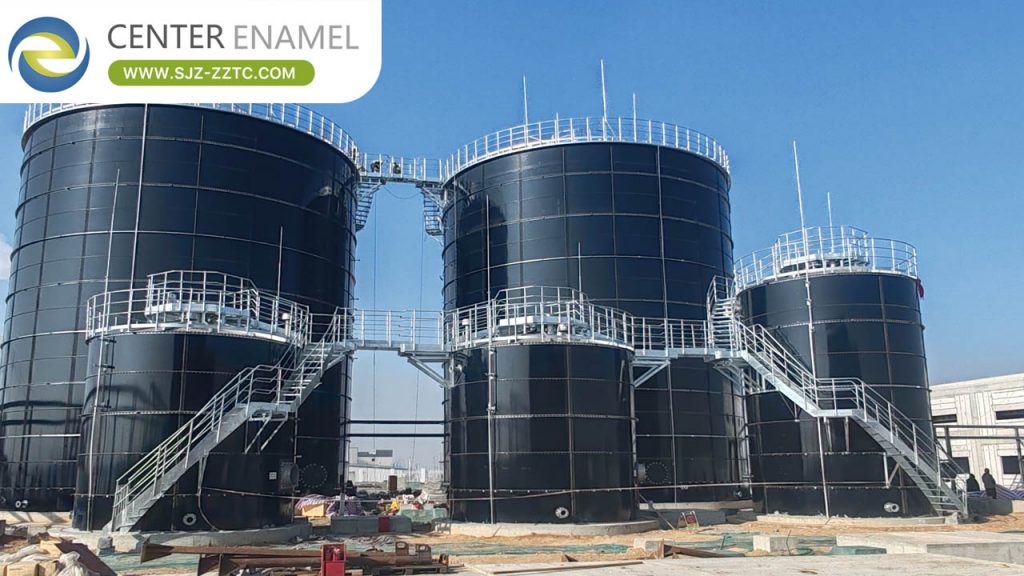
Characterized by a colloidal suspension of water, residual oils, and fine organic solids, raw POME features extremely high Biochemical Oxygen Demand (BOD) ranging from 25,000 to 35,000 mg/L and Chemical Oxygen Demand (COD) exceeding 50,000 mg/L. Because direct discharge causes severe environmental degradation, implementing an efficient, high-performance POME treatment framework is vital for regulatory compliance and long-term industrial sustainability.
Sources and Characteristics of POME
Wastewater within a typical palm oil mill originates from three primary operational streams:
- Sterilization Condensate (~36%): Steam sterilization of fruit bunches yields hot, organic-rich condensate.
- Clarification Wastewater (~60%): Water used during oil extraction and purification contains high concentrations of grease, suspended solids, and soluble sugars.
- Hydrocyclone / Washing Water (~4%): Washing operations generate minor flows containing fine mineral grit and particulate matter.
Comprehensive Treatment Technologies for POME
Modern environmental engineering has shifted away from traditional open-pond systems—which require large footprints and release fugitive methane—toward enclosed, high-efficiency biological and physical treatment trains.
1. Pre-Treatment and Conditioning
Before biological breakdown, raw POME must be conditioned:
- Mechanical Screening: Removes large fibers, palm husks, and floating debris.
- Oil Traps / Skimming: Recovers residual oil and grease to prevent downstream microbial toxicity and pipe scaling.
- Cooling Towers: Lowers wastewater temperatures from 80–90°C down to optimal mesophilic or thermophilic biological ranges (35–55°C).
2. High-Rate Anaerobic Digestion & Biogas Recovery
Anaerobic digestion serves as the core workhorse for organic carbon removal:
- Reactor Types: Advanced mills utilize Continuously Stirred Tank Reactors (CSTR) and Upflow Anaerobic Sludge Blanket (UASB) systems.
- Energy Generation: Specialized anaerobic bacteria break down complex organic matter without oxygen, achieving 85% to 95% COD reduction while generating methane-rich biogas. This gas is captured and used to power mill boilers and generators.
3. Aerobic Polishing and Advanced Filtration
- Aerobic Biological Treatment: Effluent from anaerobic tanks is passed through activated sludge basins, Sequencing Batch Reactors (SBR), or extended aeration units to lower residual BOD and strip out ammonia-nitrogen.
- Membrane Systems & ZLD: To comply with tightening discharge limits or achieve Zero Liquid Discharge (ZLD), advanced facilities integrate Membrane Bioreactors (MBRs) and ultrafiltration, producing crystal-clear water suitable for industrial reuse.
Comparative Data Table: POME Treatment Technologies
| Technology Solution | COD Removal Efficiency | Primary Mechanism | Energy Profile | Key Operational Output |
| Open Lagoon Systems | 50% – 80% | Uncontrolled natural settling & digestion | Low energy / High land use | Stabilized liquid (high fugitive methane emissions) |
| Enclosed CSTR / UASB | 85% – 95% | High-rate anaerobic bacterial breakdown | Net Energy Producer | Methane biogas, reduced organic load |
| Aerobic SBR / Activated Sludge | 90% – 95% | Suspended-growth biological oxidation | Moderate energy | Clean secondary effluent (low BOD/TSS) |
| Membrane Bioreactor (MBR) | > 95% | Biological digestion + ultrafiltration membranes | Higher energy demand | Reclaimed water for utility or boiler feed |
Frequently Asked Questions (FAQ)
Q1: Why is raw palm oil mill effluent (POME) considered a major environmental pollutant?
A: Raw POME contains extremely high levels of Biochemical Oxygen Demand (BOD) and Chemical Oxygen Demand (COD) alongside residual oil and grease. If discharged untreated, it rapidly depletes dissolved oxygen in water bodies and causes severe soil clogging and toxicity on land.
Q2: How does anaerobic digestion of POME provide economic and environmental benefits?
A: Enclosed anaerobic digesters break down organic pollutants while capturing methane-rich biogas. Mills utilize this captured gas as a renewable energy source to generate electricity and process heat, significantly offsetting fossil fuel dependence and reducing greenhouse gas emissions.
Q3: Can POME be treated to a level suitable for water recycling?
A: Yes. By combining high-rate anaerobic digestion with advanced aerobic polishing and membrane filtration technologies (such as MBR or ultrafiltration), mills can reclaim up to 90% of treated wastewater for boiler feed, washing, or agricultural irrigation.