
Advantages of Anaerobic Fermentation: Economic, Environmental, and Operational Benefits
As global industries, agricultural facilities, and municipalities face escalating pressure to adopt sustainable, circular-economy practices, biological waste management has taken center stage. Among available technologies, anaerobic fermentation (commonly known as anaerobic digestion) stands out as a transformative process. By breaking down organic matter in the complete absence of oxygen, anaerobic fermentation converts hazardous waste streams into clean energy and stable, valuable byproducts.
Understanding the core advantages of this technology is essential for facility managers, environmental engineers, and project developers aiming to optimize resource recovery and compliance.
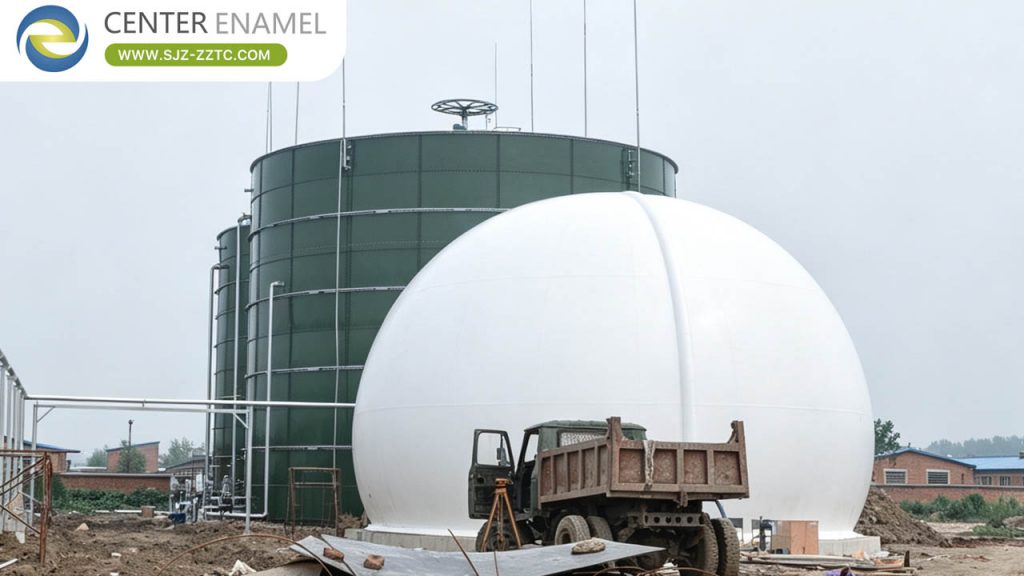
Key Advantages of Anaerobic Fermentation
1. Renewable Energy Generation (Waste-to-Energy)
The most prominent advantage of anaerobic fermentation is its ability to produce combustible, methane-rich biogas. This captured gas can be utilized directly in combined heat and power (CHP) generators, factory boilers, or upgraded into high-purity biomethane (Renewable Natural Gas) for grid injection or vehicle fuel.
2. Exceptional Organic Pollution Reduction
Industrial effluents and agricultural slurries often carry extreme Chemical Oxygen Demand (COD) and Biochemical Oxygen Demand (BOD) loads. High-rate anaerobic fermentation systems achieve remarkable pollutant removal rates—often reducing incoming organic loads by 85% to 95%—without requiring massive energy inputs for mechanical aeration.
3. Greenhouse Gas Mitigation and Odor Control
Conventional open-air storage lagoons allow fugitive methane and hydrogen sulfide gases to escape directly into the atmosphere, creating severe odors and environmental hazards. Fully enclosed anaerobic fermentation systems capture 100% of biogas emissions, neutralizing foul odors and significantly lowering the facility's carbon footprint.
4. High-Value Nutrient Recovery (Digestate)
The residual byproduct of anaerobic digestion, known as digestate, is an exceptional organic fertilizer. Retaining bioavailable forms of nitrogen, phosphorus, and potassium, digestate can be separated into solid and liquid fractions to replace costly synthetic chemical fertilizers in agricultural applications.
5. Compact Spatial Footprint and Scalability
Modern high-rate anaerobic reactors (such as Upflow Solids Reactors, UASB, and Internal Circulation systems) utilize vertical modular engineering. Housed in robust containment structures like Glass-Fused-to-Steel (GFS) tanks, these systems process massive volumes of waste within a fraction of the land area required by traditional open ponds.
Comparative Data Table: Anaerobic Fermentation vs. Conventional Open Systems
| Evaluation Parameter | Anaerobic Fermentation (Enclosed Systems) | Traditional Open Ponds / Aerobic Treatment |
| Energy Profile | Net energy producer (Biogas generation) | Net energy consumer (High aeration electricity costs) |
| COD / BOD Removal | High (85% to 95%+) | Moderate (50% to 70%) |
| Spatial Footprint | Compact, vertical modular design | Massive land-intensive requirement |
| Odor & Emissions Control | 100% enclosed, odorless, zero-seepage | High odor emissions and fugitive methane leaks |
| Byproduct Value | Nutrient-rich digestate fertilizer | Unstable sludge requiring costly disposal |
Frequently Asked Questions (FAQ)
Q1: What is the primary advantage of anaerobic fermentation over aerobic treatment?
A: The primary advantage is energy efficiency and recovery. While aerobic treatment requires massive electrical inputs for continuous aeration and consumes energy, anaerobic fermentation breaks down organic waste without oxygen while generating renewable methane-rich biogas.
Q2: Is the byproduct of anaerobic fermentation safe for agricultural use?
A: Yes. The remaining byproduct, called digestate, is packed with bioavailable nitrogen, phosphorus, and potassium. The anaerobic digestion process neutralizes most weed seeds and pathogens, creating a safe, natural fertilizer that reduces reliance on synthetic chemicals.
Q3: How does anaerobic fermentation help reduce greenhouse gas emissions?
A: By enclosing organic waste in sealed bioreactors, anaerobic fermentation captures 100% of the generated biogas instead of letting potent methane escape into the atmosphere. Capturing and combusting this methane (or converting it to biomethane) neutralizes its global warming potential.