
Agricultural Waste to Biogas: Complete Guide
Global agriculture produces massive quantities of organic by-products every year, from livestock slurry and poultry litter to post-harvest crop residues. Historically managed as waste liabilities through open-air dumping or lagoon storage, these materials are major sources of unmanaged greenhouse gas emissions.
Converting agricultural waste to biogas through advanced anaerobic digestion (AD) is one of the most effective pathways to drive decarbonization, secure decentralized energy, and establish a circular bioeconomy. This comprehensive guide explores the feedstock types, biological processes, engineering stages, and multi-faceted benefits of farm-scale waste-to-energy systems.
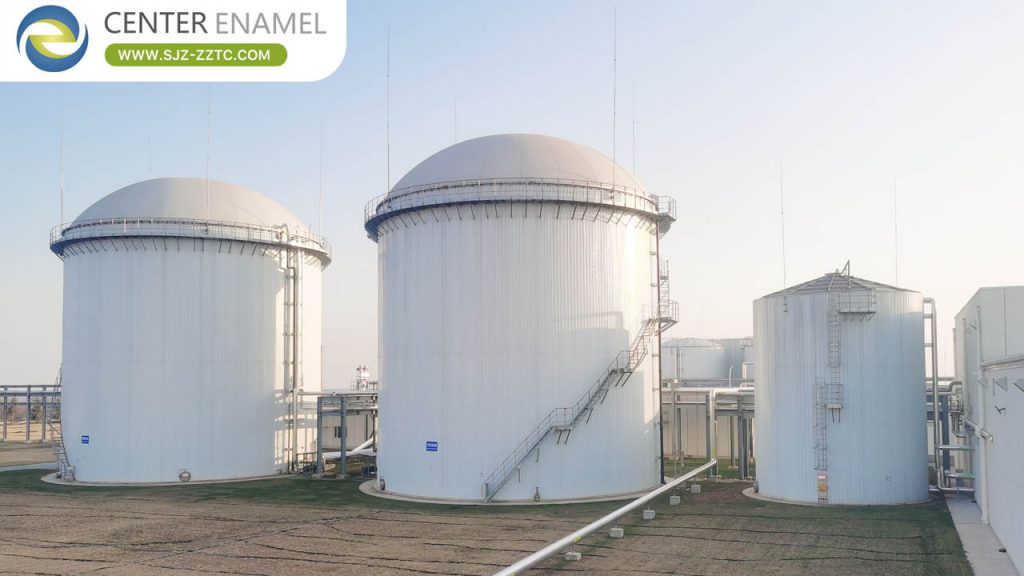
Major Types of Agricultural Waste Feedstocks
The performance and stability of a biogas facility depend heavily on the biochemical composition of its organic inputs. Agricultural wastes are generally categorized into three distinct streams:
- Livestock Manure and Slurries:
Cattle, swine, and poultry manure form the operational foundation of most farm-scale plants. Manure provides essential buffering agents, active micro-nutrients, and diverse microbial communities that stabilize reactor pH. - Crop Residues and Lignocellulosic Biomass:
Agricultural stubble, corn stover, wheat straw, and spoiled silage offer massive pools of carbon. Because their tough plant cell walls resist rapid bacterial breakdown, they typically require mechanical pre-sizing or co-digestion. - Agro-Industrial By-Products:
Wastewaters, spent wash, and processing residues from dairy plants, breweries, and fruit-processing facilities supply high-strength liquid inputs ideal for high-rate anaerobic reactors.
The Biological Stages of Anaerobic Digestion
Inside sealed bioreactors, heterogeneous organic waste is broken down in the absence of oxygen through four sequential biological phases:
- Hydrolysis: Complex polymers (carbohydrates, proteins, fats) are broken down into soluble monomers by extracellular enzymes secreted by bacteria.
- Acidogenesis: Acid-forming bacteria convert these monomers into volatile fatty acids (VFAs), alcohols, carbon dioxide, and short-chain organic acids.
- Acetogenesis: Acetogenic bacteria convert the intermediate acids into acetic acid, hydrogen, and carbon dioxide.
- Methanogenesis: Specialized methanogenic archaea consume acetic acid and hydrogen to produce biogas, consisting typically of 50% to 75% methane and 25% to 50% carbon dioxide.
Comparative Data Table: Agricultural Waste Substrates
| Feedstock Substrate | Typical Total Solids (TS) | C:N Ratio | Methane Potential | Primary Operational Advantage / Challenge |
| Dairy Cattle Slurry | 8% – 12% | 15:1 – 20:1 | 200 – 350 m3/ton VS | Advantage: High buffering capacity; Challenge: Low energy density. |
| Poultry Litter | 20% – 30% | 5:1 – 10:1 | 350 – 450 m3/ton VS | Advantage: High nutrient load; Challenge: Ammonia toxicity risk. |
| Agricultural Straw | 85% – 90% | 50:1 – 80:1 | 250 – 350 m3/ton VS | Advantage: Abundant carbon source; Challenge: Lignin barrier and floating crusts. |
| Agro-Industrial Effluent | 2% – 6% | Variable | 400 – 700+ m3/ton VS | Advantage: Rapid conversion in UASB systems; Challenge: Requires flow equalization. |
Key Benefits of Agricultural Biogas Integration
Implementing anaerobic digestion across agricultural operations yields compounding economic and environmental advantages:
- Fugitive Methane Destruction: Capturing unmanaged farm emissions prevents potent greenhouse gases from venting directly into the atmosphere.
- Renewable Energy Generation: Biogas can be burned in Combined Heat and Power (CHP) engines for on-site electricity and heat, or upgraded into Compressed Biogas (CBG/RNG) for vehicle transport and grid injection.
- Nutrient Recycling (Digestate): The residual byproduct retains essential soil nutrients (nitrogen, phosphorus, and potassium) in a homogenized, low-odor form, replacing carbon-intensive synthetic fertilizers.
Frequently Asked Questions (FAQ)
Q1: Why is co-digestion critical when processing agricultural waste?
A: Mono-digesting a single agricultural waste stream—such as pure poultry manure (too much nitrogen) or straw (too much carbon)—frequently leads to process failure. Co-digestion systematically blends multiple substrates to maintain an optimal Carbon-to-Nitrogen ratio (20:1 to 30:1), stabilizing the microbial environment.
Q2: How does turning agricultural waste into biogas reduce carbon footprints?
A: Biogas systems achieve net-positive climate benefits by destroying fugitive methane emissions from manure storage lagoons and displacing fossil fuels with clean renewable energy, effectively creating a closed-loop carbon cycle.
Q3: What happens to agricultural waste after the biogas has been extracted?
A: The residual material, known as digestate, is collected and separated into solid and liquid fractions. Because anaerobic digestion preserves essential soil minerals while reducing pathogens and odors, digestate serves as a superior organic bio-fertilizer for crop fields.