
Are Biomethane and Biogas the Same? A Complete Guide to Renewable Gases
As the world races to decarbonize and find sustainable alternatives to fossil fuels, two terms frequently surface in energy discussions: biogas and biomethane. Often used interchangeably, they represent distinct stages in the renewable energy value chain. While they share a common origin, their composition, applications, and economic value differ significantly. This comprehensive guide will clarify the differences, production processes, and benefits of each, highlighting why understanding this distinction is crucial for anyone involved in the renewable energy sector.
What is Biogas? The Raw Renewable Fuel
Biogas is the foundational product of anaerobic digestion (AD), a natural biological process where microorganisms break down organic matter in an oxygen-free environment . This process occurs naturally in landfills, wastewater treatment plants, and specially designed digesters. The primary feedstocks include agricultural waste, food scraps, animal manure, and sewage sludge.
The composition of raw biogas is a mixture of gases, with methane (CH₄) and carbon dioxide (CO₂) being the primary components. Typically, biogas contains 45% to 75% methane, with the remainder largely composed of carbon dioxide and small quantities of other gases like hydrogen sulfide (H₂S), water vapor, and siloxanes . Because of this mixture, raw biogas has a lower calorific value than natural gas and contains impurities that can be corrosive to equipment . It is primarily used on-site for combined heat and power (CHP) generation to produce electricity and heat .
What is Biomethane? The Upgraded Equivalent of Natural Gas
Biomethane, often referred to as renewable natural gas (RNG), is the refined version of biogas . It is produced through an "upgrading" process that removes the carbon dioxide, hydrogen sulfide, and other contaminants from raw biogas. The goal is to increase the methane concentration to levels comparable to fossil natural gas, typically over 95% and up to 99% purity .
This purification process is what fundamentally differentiates biomethane from biogas. By stripping away the CO₂ and impurities, biomethane becomes a high-energy, clean-burning fuel. It is so similar to natural gas that it can be injected directly into existing gas grids or used as a drop-in fuel for natural gas vehicles and industrial processes without requiring modifications to infrastructure .
Key Differences Between Biogas and Biomethane
While they share a common origin, the distinction between biogas and biomethane is critical for their application and economic viability. The key differences lie in their composition, quality, and usability. Biogas is a raw, mixed gas with methane content that can be as low as 45%, while biomethane is a purified gas with methane content exceeding 95% . This disparity in purity leads to differing applications: biogas is typically burned locally for heat and power, whereas biomethane is versatile enough to be transported, stored, and used anywhere natural gas is utilized .
| Feature | Biogas | Biomethane |
| Composition | Mixture of CH₄ (45-75%), CO₂, H₂S, and other trace gases . | Nearly pure methane (>95% CH₄) . |
| Production | Produced via anaerobic digestion (AD) . | Produced by upgrading raw biogas to remove CO₂ and impurities . |
| Calorific Value | Lower, due to high CO₂ content. | High, comparable to fossil natural gas . |
| Primary Use | On-site electricity and heat generation (CHP) . | Grid injection, transportation fuel, and industrial feedstock . |
| Infrastructure | Requires specialized local equipment. | Compatible with existing natural gas infrastructure . |
Biogas vs. Biomethane: Production and Upgrading
The journey from biogas to biomethane involves a crucial step called "upgrading." Raw biogas, while valuable, contains up to 55% carbon dioxide. This not only dilutes the energy content but also makes the gas less versatile. The upgrading process involves separating the methane from the CO₂ and other impurities.
The primary technologies for biogas upgrading include:
Water Scrubbing: This method uses water to absorb CO₂ and H₂S, leaving a purified methane stream .
Pressure Swing Adsorption (PSA): This technology uses a solid adsorbent (like activated carbon or zeolites) to capture CO₂ and other impurities at high pressure .
Membrane Separation: Specialized membranes allow smaller CO₂ molecules to pass through more quickly than methane, effectively separating the gas stream .
Chemical Scrubbing: Uses chemical solvents to react with and remove CO₂, often yielding a very high-purity biomethane .
These technologies are mature, but ongoing innovation, such as Asahi Kasei's demonstration of a zeolite-based vacuum swing adsorption system achieving over 97% purity, continues to improve efficiency and reduce costs . The choice of technology depends on factors like the desired purity, operational cost, and the scale of the project .
Applications and Benefits of Biomethane
The high purity of biomethane unlocks a wider range of applications compared to raw biogas, making it a crucial tool for decarbonization. Its compatibility with existing infrastructure allows it to serve multiple critical roles in the energy transition. The benefits of biomethane extend beyond just energy generation to include waste management and grid stability.
1. Direct Injection into Natural Gas Grids
One of the most significant advantages of biomethane is its ability to be directly injected into the existing natural gas pipeline network . This provides a "drop-in" renewable alternative for heating homes and industries without needing to replace existing appliances or pipelines. This helps regions reduce their dependence on imported fossil natural gas, enhancing national energy security. For instance, the European Union avoided importing approximately 2 bcme of natural gas in 2023 through biomethane production .
2. Sustainable Transportation Fuel
Biomethane can be compressed (bio-CNG) or liquefied (bio-LNG) and used as a clean fuel for heavy-duty vehicles (trucks, buses) and shipping . It offers significant greenhouse gas (GHG) savings compared to diesel or petrol, particularly when produced from waste feedstocks, because it repurposes methane that would otherwise escape into the atmosphere .
3. Power Generation with High Efficiency
While both biogas and biomethane can be used to generate electricity, using biomethane in CHP plants is more efficient. Due to its higher energy density, less biomethane is required to produce the same amount of electricity and heat compared to raw biogas. One study found that this difference can lead to annual savings of up to 1.35 GWh of primary energy . Furthermore, any excess biomethane that is not needed for power can be sold or injected into the grid, providing an additional revenue stream.
4. Decarbonizing Hard-to-Abate Industrial Sectors
Biomethane can serve as a high-temperature process fuel for industries like cement, steel, and chemicals, which are difficult to electrify . It can also be used as a feedstock to produce green hydrogen or synthetic fuels, creating a bridge toward a fully circular carbon economy .
The Role of Efficient Storage in Biogas and Biomethane Projects
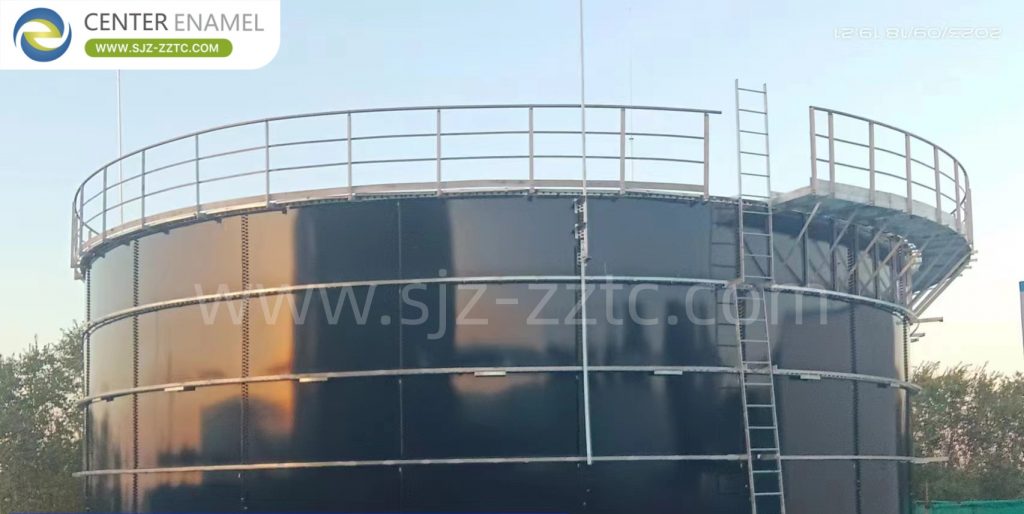
For both biogas and biomethane to be utilized effectively, they must first be stored safely. The infrastructure used for storage is critical to the success and reliability of any renewable gas project. Leaky or inadequate storage can lead to methane slip, which negates the climate benefits of using these fuels . This is where robust, high-quality storage solutions come into play, ensuring that the captured gas is preserved for its intended use.
For example, projects require tanks that are airtight, corrosion-resistant, and durable enough to withstand the pressures and harsh conditions of anaerobic digestion. Tanks like Glass-Fused-to-Steel (GFS), welded steel, and fusion-bonded epoxy tanks are commonly used for this purpose due to their ability to contain the gas and resist the corrosive effects of hydrogen sulfide and moisture .
From Waste to a Versatile Energy Asset
So, are biogas and biomethane the same? The clear answer is no. Biogas is the raw, unprocessed product, a valuable but low-grade fuel best suited for localized heat and power generation. Biomethane is the upgraded, high-quality renewable gas that serves as a true substitute for natural gas across multiple sectors.
Understanding this distinction is crucial. Biogas represents an immediate, decentralized energy solution from waste, while biomethane is a strategic energy asset capable of decarbonizing entire economies. Both are essential pillars of a sustainable energy future. However, their success hinges on efficient production and robust storage infrastructure that prevents methane loss and ensures a reliable supply.
Center Enamel: Your Partner for Superior Biogas Storage Solutions
Navigating the complexities of the biogas and biomethane industry requires reliable partners and robust infrastructure. At Center Enamel, we provide cutting-edge storage solutions designed to meet the rigorous demands of renewable gas projects. With over 30 years of expertise, we are a global leader in designing and manufacturing Glass-Fused-to-Steel (GFS), stainless steel, and welded steel tanks for biogas and bioenergy applications .
Our tanks are engineered for longevity, featuring superior corrosion resistance and gas-tight integrity essential for safe and efficient biogas and biomethane storage . With certifications including ISO 9001, CE, NSF/ANSI 61, and compliance with AWWA D103-09 and ISO 28765, our solutions meet the highest international quality and safety standards . Trusted by global partners such as Veolia, Heineken, and Sinopec, we have successfully delivered projects in over 100 countries, supporting clients in agricultural, industrial, and municipal biogas projects .
Whether you are developing an anaerobic digestion facility or a biomethane upgrading plant, Center Enamel provides the durable, customized storage infrastructure you need to succeed.
Frequently Asked Questions (FAQ)
1. Is biogas or biomethane better for the environment?
Both offer significant environmental benefits by turning waste into energy and avoiding methane emissions from landfills. However, biomethane generally has a slight edge in greenhouse gas savings per unit of energy produced due to its higher energy density and efficiency in applications like transport and grid injection . Proper methane management is key for both to be environmentally credible .
2. Can biogas be directly used in homes like natural gas?
No, raw biogas cannot be directly used in homes or injected into natural gas pipelines. It contains a high percentage of CO₂ and impurities like hydrogen sulfide, which give it a lower calorific value and can damage pipelines and appliances . It must first be upgraded to high-purity biomethane to be compatible with existing natural gas infrastructure .
3. What is the main feedstock used to produce biogas and biomethane?
A wide variety of organic waste materials can be used. Common feedstocks include agricultural residues (manure, crop waste), food waste, municipal solid waste, and sewage sludge . The term "waste-to-energy" is often applied here, as the process recycles organic matter that would otherwise decompose and release methane into the atmosphere.