
Are CBG and CNG the Same? Key Differences Explained
At the molecular level, Compressed Biogas (CBG) and Compressed Natural Gas (CNG) are remarkably similar. Both are predominantly methane (CH₄) stored under high pressure for use as automotive or industrial fuel. This similarity means a factory-fitted CNG vehicle can often run on properly purified CBG without modification, and CBG can directly replace CNG in industrial and commercial applications.
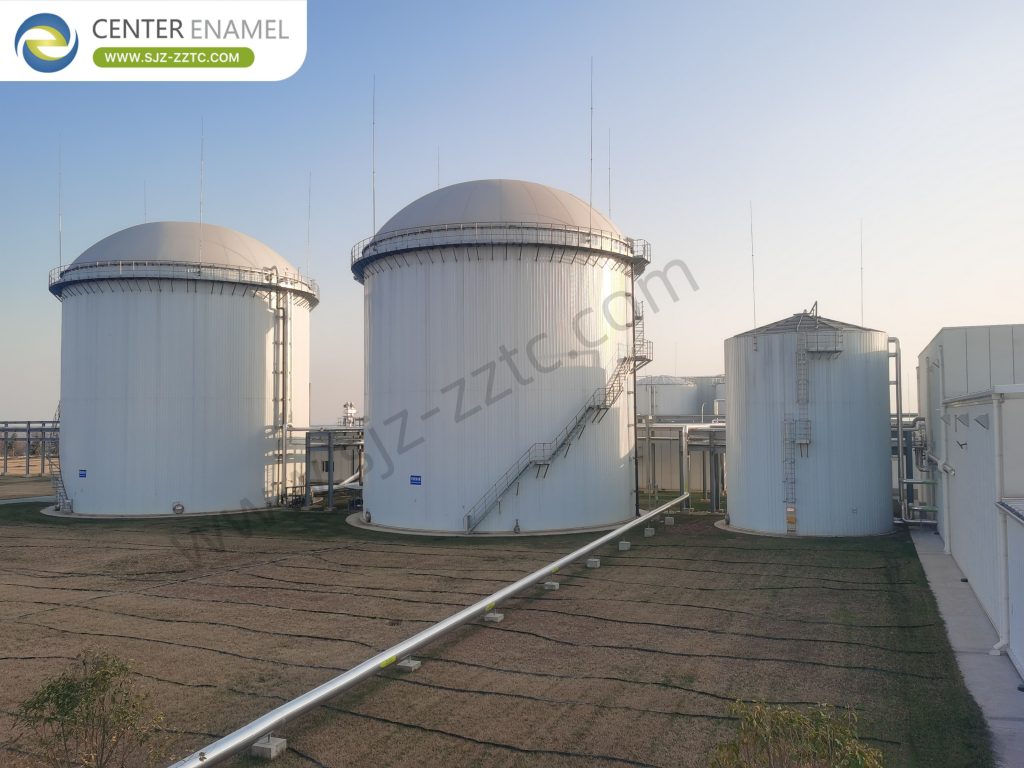
However, the two fuels differ fundamentally in where they come from and how they impact the environment. CNG is a fossil fuel extracted from underground reserves, while CBG is a renewable fuel produced from organic waste. Understanding this distinction is essential for anyone evaluating fuel options for vehicles, industrial operations, or sustainability initiatives.
What Is CNG? A Fossil Fuel Under Pressure
Compressed Natural Gas (CNG) is natural gas that has been compressed to less than 1% of its volume at standard atmospheric pressure, typically stored at 200–250 bar (approximately 2,900–3,600 psi). It consists of roughly 80–90% methane, with minor fractions of other hydrocarbons.
CNG is extracted from subterranean natural gas reserves or obtained as a byproduct of petroleum extraction. As a fossil fuel, it takes millions of years to form and is inherently finite. Despite being cleaner-burning than petrol or diesel, CNG remains a non-renewable resource that contributes to greenhouse gas emissions when extracted and combusted.
The fuel has gained widespread adoption in countries like India, where CNG powers buses, auto-rickshaws, and passenger cars. Its advantages include lower operational costs, reduced harmful emissions compared to liquid fuels, and an established distribution infrastructure.
What Is CBG? Renewable Gas from Organic Waste
Compressed Biogas (CBG), also known as Bio-CNG, is produced through anaerobic digestion of organic matter such as agricultural residue, cattle dung, sugarcane press mud, municipal solid waste, and sewage treatment plant waste. The raw biogas contains approximately 55–60% methane and 40–45% carbon dioxide, along with trace impurities like hydrogen sulfide.
To produce vehicle-grade CBG, the raw biogas undergoes purification to remove CO₂, H₂S, water vapor, and other impurities. The result is a gas with methane content exceeding 90–95%, compressed to 200–250 bar-essentially identical in composition and energy content to CNG.
The critical distinction is that CBG is renewable and carbon-neutral in its lifecycle. The organic materials used to produce it would otherwise decompose and release methane into the atmosphere, a potent greenhouse gas. Capturing that methane and converting it to fuel prevents those emissions while displacing fossil-based fuels.
Key Differences Between CBG and CNG
Despite their functional equivalence as fuels, CBG and CNG differ across several critical dimensions.
| Feature | CBG (Compressed Biogas) | CNG (Compressed Natural Gas) |
| Source | Organic waste, biomass, agricultural residue | Fossil fuel reserves, natural gas fields |
| Renewability | Renewable-produced continuously from waste | Non-renewable-finite fossil resource |
| Environmental Impact | Carbon-neutral; utilizes waste; reduces pollution | Cleaner than petrol/diesel but still fossil-based |
| Methane Content | >90–95% after purification | 80–90% |
| Import Dependence | Produced domestically from local biomass | Often imported (e.g., India imports ~50% of natural gas) |
| Rural Economy | Creates farmer income and rural employment | Limited rural livelihood impact |
Can CNG Vehicles Run on CBG?
Yes-and this is one of CBG‘s most significant advantages. Because CBG and CNG share nearly identical chemical compositions and energy potentials, a factory-fitted CNG vehicle can operate on CBG with no mechanical modifications.
Experimental studies comparing vehicle performance on CNG versus CBG have found comparable fuel economy, power, and acceleration. More importantly, CBG operation can reduce certain emissions: one study on BS VI-compliant three-wheelers and passenger cars found that CBG reduced nitrogen oxide (NOx) emissions by 14.6% in three-wheelers and 9.4% in passenger cars compared to CNG. Non-methane hydrocarbon emissions decreased by 35.6%.
This compatibility means the existing CNG distribution network-fueling stations, storage cascades, and vehicle tanks-can accommodate CBG with minimal infrastructure changes. Countries like India are actively leveraging this compatibility through the SATAT scheme, which aims to establish 5,000 CBG plants and integrate CBG into the existing CNG retail network.
Environmental and Economic Benefits of CBG
The shift toward CBG is driven by benefits that extend beyond fuel substitution.
Waste management and pollution reduction: CBG production consumes agricultural residue that would otherwise be burned in fields, contributing to urban air pollution. It also diverts municipal solid waste and sewage from landfills, reducing soil and water contamination.
Rural economic development: CBG plants create a market for agricultural waste, providing farmers with an additional revenue stream. The SATAT initiative estimates that 5,000 CBG plants would generate direct employment for 75,000 people and produce 50 million tonnes of bio-manure for crops. The byproduct of CBG production-fermented organic manure-serves as a nutrient-rich fertilizer, reducing dependence on chemical fertilizers.
Energy security: For countries that import natural gas, CBG offers a domestically produced alternative. India‘s natural gas import dependency was approximately 50.8% in FY25, and CBG has the potential to replace a significant portion of CNG consumption.
Challenges and Limitations of CBG Adoption
Despite its promise, CBG faces hurdles that CNG does not.
Production scale and cost: CBG production is more complex than extracting natural gas. Establishing anaerobic digesters, purification systems, and compression facilities requires significant capital investment. The economics depend on feedstock availability, plant scale, and government incentives.
Feedstock logistics: Collecting and transporting agricultural residue, cattle dung, and municipal waste to centralized CBG plants presents logistical challenges. Biomass is diffuse and seasonal, unlike the concentrated reserves of natural gas.
Current infrastructure: While CBG can use existing CNG infrastructure, the number of CBG plants and retail outlets remains limited. As of mid-2023, India had 50 operational CBG plants and 128 retail outlets selling CBG-a fraction of the CNG network.
The Future: CBG as a CNG Replacement
The trajectory is clear: CBG is positioned as a renewable, domestically produced alternative to CNG, not a competitor with fundamentally different applications. The two fuels are interchangeable in use; they diverge in origin and sustainability.
Government policies are accelerating CBG adoption. India‘s SATAT scheme, launched in 2018, targets 15 million tonnes of CBG production annually from 5,000 plants by 2025. As of October 2025, India inaugurated its first cooperative multi-feed CBG plant, with more in the pipeline.
For vehicle owners, industries, and policymakers, the message is straightforward: if you already use CNG, you can use CBG. The question is whether the supply chain and pricing make it viable in your region-and whether the environmental benefits justify the transition from fossil-derived to renewable methane.
Looking for reliable biogas project solutions? Center Enamel provides expert-designed systems tailored to your needs. Contact us to get started.
Frequently Asked Questions
Can I use CBG in my CNG car without any modification?
Yes. Factory-fitted CNG vehicles can run on properly purified CBG without mechanical changes because both fuels are predominantly methane with similar energy content and combustion characteristics. The fuel filler nozzle and storage tank specifications are compatible.
Is CBG cheaper than CNG?
Pricing varies by region and depends on feedstock costs, plant scale, and government subsidies. In many cases, CBG is priced competitively with CNG, and government initiatives like India’s SATAT scheme aim to make it an affordable alternative. However, CBG production costs are generally higher than extracting natural gas, so pricing often relies on policy support.
Which is better for the environment-CNG or CBG?
CBG is significantly better from a lifecycle emissions perspective. While both burn cleanly, CBG is produced from waste that would otherwise release methane into the atmosphere, and its production prevents pollution from agricultural burning and landfill decomposition. CNG, as a fossil fuel, adds net carbon to the atmosphere when extracted and burned.