
Best Biogas Upgrading Technology for Small Plants: Options and Trade-offs
For small plants (roughly 50–500 m³/h of raw biogas), membrane separation is usually the best fit—modular, low-CAPEX, no chemicals, and quick to start, though methane slip runs 0.5–3%. Water scrubbing suits plants needing purity above 97% and slip below 1% where water is cheap and treatable, while PSA and amine scrubbing are generally too complex or capital-intensive below about 500 m³/h.
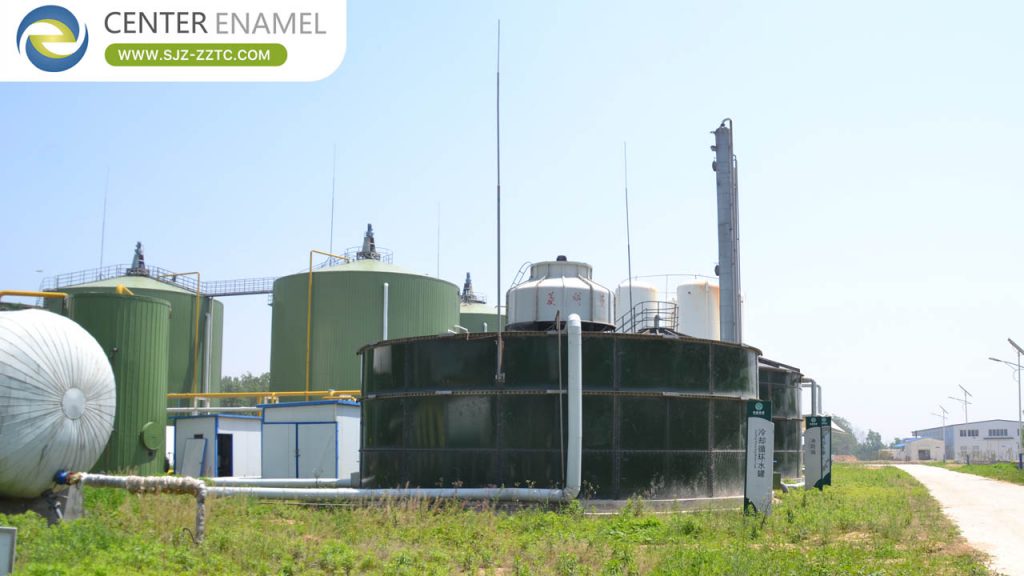
What “Small Scale” Changes
Small plants value simplicity over marginal efficiency. They cannot absorb long commissioning, chemical handling, or large utility balances, and they often run variable feed rates. That favors modular, skid-mounted units that start and stop cleanly and scale by adding modules. It also raises the weight of methane slip: a small plant losing 3% of its methane loses 3% of its revenue with no offsetting scale benefit, so slip control matters more per unit of gas than at large scale.
Comparative Data Table: Upgrading Routes for Small Plants
| Technology | Best Scale (m³/h) | CH₄ Purity | Methane Slip | Fit for Small |
| Membrane | 50–500 | 95–97% | 0.5–3% | Excellent |
| Water scrubbing | 300–1,500 | 96–98% | 0.1–1% | Good if water cheap |
| PSA | 200–1,000 | 96–98% | 1–3% | Fair (complex) |
| Amine scrubbing | 500+ | 97–99% | 0.1–0.5% | Poor (CAPEX/heat) |
Choosing and Reducing Risk
Pick by priority. Lowest upfront cost and simplest operation: membrane. Highest purity and lowest slip with cheap water: water scrubbing. If your grid or vehicle-fuel specification demands >97% CH₄ with slip under 1%, budget for scrubbing or a membrane-plus-polishing train regardless of scale. In every case, desulfurize first—H₂S ruins membranes and amine alike—and confirm the off-gas route, since slip gas must be flared or recycled to protect your carbon numbers.
Frequently Asked Questions (FAQ)
Q1: Is membrane or water scrubbing better at small scale?
A: Membrane is usually better—modular, chemical-free, low-CAPEX, and quick to commission for 50–500 m³/h. Choose water scrubbing if you need purity above 97% with slip under 1% and have cheap, treatable water available.
Q2: How much does small-scale upgrading cost?
A: Levelized upgrading cost typically runs $0.10–$0.20 per m³ of biomethane at small scale, higher per unit than large plants because CAPEX and controls do not scale down linearly. Membranes sit at the lower end; scrubbing with water treatment costs more.
Q3: What methane slip should I expect?
A: Membrane 0.5–3%, water scrubbing 0.1–1%, PSA 1–3%, amine 0.1–0.5%. For small plants, keeping slip below about 2% is the practical target, since slip is lost product and a potent emission.
Q4: What must be done before upgrading?
A: Remove H₂S first—it damages membranes and amine solvents—and control siloxanes and moisture. Plan the off-gas route too: slip gas should be flared or recycled so it does not appear as an uncontrolled methane emission.