
Bio-CNG Plants: Engineering Compressed Bio-Methane for Transport and Industry
A bio-CNG plant is an integrated industrial facility that converts organic waste into compressed biomethane gas (CBG/Bio-CNG) suitable for use as a transport fuel, industrial energy source, or off-grid power generation feedstock. Unlike conventional biogas power plants that burn gas directly in CHP engines for electricity, bio-CNG plants add critical downstream processing—upgrading, compression, storage, and dispensing—to produce a transportable, high-density renewable fuel.
The strategic value of bio-CNG plants lies in their ability to monetize biogas at premium prices unavailable to electricity-only configurations. Renewable transport fuel credits (LCFS in California, RINs in the US, RED II certificates in the EU, SATAT offtake in India) can double or triple the effective revenue per cubic meter of biomethane compared to wholesale electricity sales. A 2,000 m3/h bio-CNG plant can generate annual revenue of $1.5-3 million from fuel sales alone, with environmental credits adding $0.5-2 million.
This engineering guide covers the complete bio-CNG plant system architecture—from feedstock handling and anaerobic digestion, through biogas upgrading and compression, to storage, dispensing, and distribution logistics for transport and industrial end-use applications.
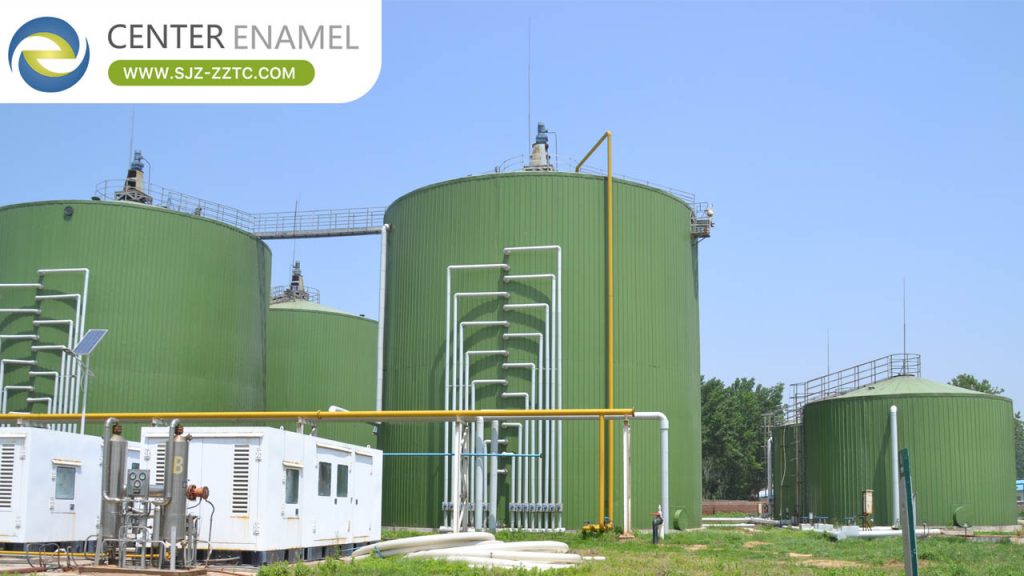
Understanding Bio-CNG Plant Architecture: System Components
A bio-CNG plant consists of five integrated process subsystems operating in sequence: (1) Feedstock Reception and Pre-Treatment—receiving, sorting, grinding, and pasteurization of organic waste to achieve uniform substrate characteristics; (2) Anaerobic Digestion—biological conversion in mesophilic (35-38 degrees C) or thermophilic (50-55 degrees C) digesters with 15-30 day HRT; (3) Biogas Upgrading—removal of CO2, H2S, moisture, and siloxanes to produce 96-98% pure biomethane; (4) Compression and Storage—multi-stage compression to 200-250 bar with cascade cylinder buffer storage; (5) Dispensing and Distribution—CNG-standard fast-fill or time-fill dispensers, or cascade trailer loading for off-site delivery.
The engineering challenge in bio-CNG plant design is balancing continuous biogas production (24/7) with batch-mode compression and intermittent dispensing cycles. The gas upgrading skid and compressor must be sized for peak biogas flow, while storage capacity must buffer the mismatch between production and demand. A well-designed plant maintains 95%+ overall uptime with N+1 redundancy on critical rotating equipment (feed pumps, compressors, upgrading skids).
Comparative Data Table: Bio-CNG Plant vs Conventional Biogas Power Plant
| Parameter | Bio-CNG Plant (CBG Output) | Conventional Biogas Power Plant (CHP Output) | Comparison Notes |
| Primary Product | Compressed biomethane (200-250 bar) | Electricity + heat (CHP) | CBG is transportable; CHP energy is site-bound |
| Energy Efficiency | 75-90% (upgrading + compression) | 40-50% (electrical + thermal) | CBG preserves more methane energy |
| Revenue per m3 biogas | $0.40-1.20 (fuel + credits) | $0.15-0.40 (electricity only) | CBG: 2-3x revenue potential |
| Capital Cost (per m3/h biogas) | $8,000-15,000 | $3,000-6,000 | CBG: 2-3x CAPEX |
| Market Flexibility | Transport, industry, off-grid power | Grid electricity + local heat only | CBG serves multiple end markets |
| Grid Dependency | None (fuel is transportable) | Requires grid interconnection | CBG: off-grid viable |
| Operational Complexity | High (upgrading + compression) | Moderate (CHP engine only) | CBG: more skilled operators needed |
Bio-CNG Plant Capacity, Output, and Economics
Commercial bio-CNG plants are typically classified by raw biogas processing capacity (m3/h of inlet biogas). Standard capacity tiers include:
1. Small-scale (100-500 m3/h biogas): Produces 50-280 m3/h of CBG (approximately 300-1,700 kg/day). Typically serves single fleet fueling (e.g., municipal bus depot, dairy farm truck fleet). CAPEX: $1-4 million. Payback: 5-8 years.
2. Medium-scale (500-2,000 m3/h biogas): Produces 280-1,100 m3/h of CBG (approximately 1,700-6,800 kg/day). Serves regional fueling stations or industrial gas supply contracts. CAPEX: $4-12 million. Payback: 4-6 years.
3. Large-scale (2,000-5,000+ m3/h biogas): Produces 1,100-2,800+ m3/h of CBG (approximately 6,800-17,000+ kg/day). Supplies national fuel distribution networks or large industrial offtakers. CAPEX: $12-30+ million. Payback: 4-7 years with renewable fuel credits.
Revenue optimization requires securing long-term offtake agreements with transport fleet operators, industrial gas users, or government fuel procurement programs. Environmental credit monetization (LCFS, RINs, RED II certificates) should be structured at project commissioning through specialized brokers or direct registry participation.
Frequently Asked Questions (FAQ)
Q1: What is the difference between a bio-CNG plant and a conventional biogas power plant?
A: A conventional biogas power plant burns raw biogas in a CHP engine to produce electricity and heat on-site, requiring grid interconnection and a local heat user. A bio-CNG plant adds upgrading (CO2/H2S removal) and compression to produce transportable compressed biomethane fuel, which can be sold to transport, industrial, or off-grid markets. Bio-CNG plants require 2-3x the CAPEX but can earn 2-3x the revenue per cubic meter of biogas processed through renewable fuel premiums.
Q2: What is the minimum scale for a viable bio-CNG plant?
A: The economic threshold for a standalone bio-CNG plant is typically 200-300 m3/h of raw biogas processing capacity, producing approximately 1,000-1,500 kg/day of CBG. Below this scale, upgrading and compression equipment costs dominate project economics. Smaller operations can be viable if waste feedstock is free or carries tipping fees, or if modular containerized upgrading systems are used to reduce CAPEX.
Q3: How is bio-CNG distributed from production plants to fueling stations?
A: Bio-CNG is distributed via cascade tube trailers—truck-mounted cylinders (steel Type I or composite Type III/IV) carrying 200-500 m3 of compressed biomethane at 200-250 bar. Trailers are filled at the plant's compression and loading bay, driven to fueling stations (up to 100-150 km economical range), and connected to the station's dispensing system. For larger volumes, small-scale liquefaction (LBG at -162 degrees C) extends range to 500+ km.
Q4: What permits and certifications does a bio-CNG plant require?
A: Required permits typically include: environmental impact assessment, waste processing license, air emission permits, pressure vessel certification (ASME/PED), fire safety approval (NFPA 52/58 or national equivalent), and biomethane quality certification (EN 16726 in EU, ASTM D6223 in US, IS 16087 in India). CBG sold as transport fuel must meet national fuel quality standards and be registered with the relevant renewable fuel certification authority.