
Biogas and Biomethane: What's the Difference? A Comprehensive Comparison
As global energy markets shift toward decarbonization and circular economies, terms like biogas and biomethane are frequently used interchangeably. However, from an engineering and commercial perspective, they represent two distinct stages of renewable energy production.
Understanding the difference between biogas and biomethane is essential for project developers, municipal planners, and energy investors looking to optimize waste-to-energy assets, combined heat and power (CHP) systems, or natural gas grid injection projects.
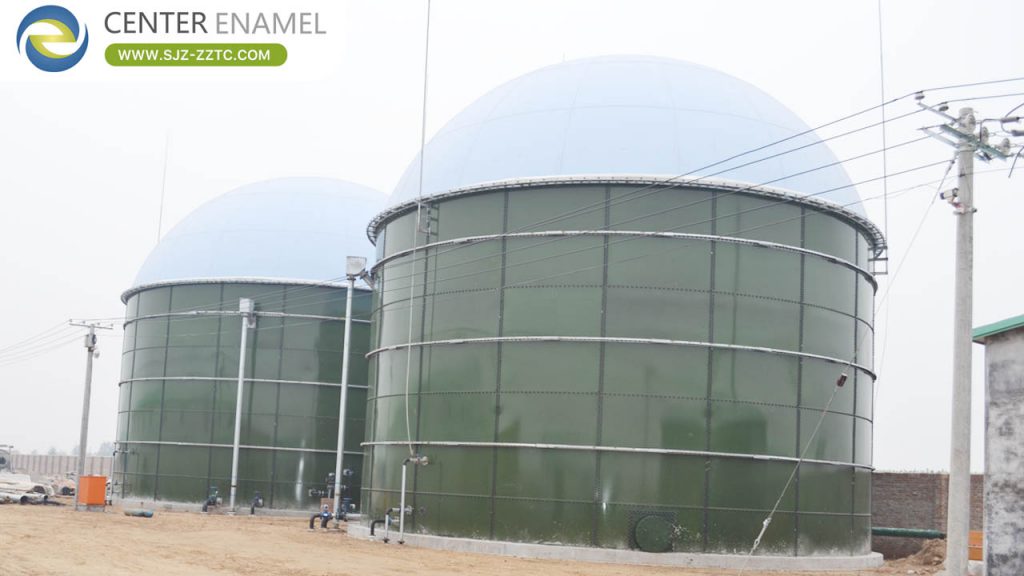
What Is Biogas? (The Raw Product)
Biogas is the raw, unrefined gas produced naturally through the anaerobic digestion of organic matter—such as livestock manure, agricultural crop residues, wastewater sludge, and municipal food waste—by specialized microorganisms in an oxygen-free environment.
- Composition: Raw biogas typically consists of 50% to 75% methane (CH4), 25% to 45% carbon dioxide (CO2), and trace impurities including water vapor, hydrogen sulfide (H2S), and ammonia (NH3).
- Primary Limitations: Because of its high moisture and corrosive hydrogen sulfide content, raw biogas cannot be injected into natural gas pipelines or compressed into vehicle fuel without damaging equipment.
- Standard Application: It is typically consumed on-site in Combined Heat and Power (CHP) engines or industrial boilers to generate electricity and thermal energy simultaneously.
What Is Biomethane? (The Upgraded Fuel)
Biomethane (often referred to as Renewable Natural Gas [RNG]) is biogas that has undergone rigorous cleaning, scrubbing, and upgrading processes to remove impurities and carbon dioxide.
- Composition: Biomethane is purified to achieve a methane concentration of 95% to 99%, closely mirroring the chemical profile of conventional fossil natural gas.
- Upgrading Technologies: Transforming biogas into biomethane requires advanced gas upgrading systems, such as Pressure Swing Adsorption (PSA), water scrubbing, amine scrubbing, or high-efficiency membrane separation.
- Standard Application: Due to its high purity, biomethane can be injected directly into municipal natural gas distribution grids, liquefied or compressed for heavy-duty vehicle fuel (Bio-CNG / Bio-LNG), or utilized as an industrial chemical feedstock.
Comparative Data Table: Biogas vs. Biomethane
| Evaluation Parameter | Biogas (Raw Product) | Biomethane (Upgraded / RNG) |
| Methane Content (CH4) | 50% to 75% | 95% to 99% (High Purity) |
| Impurities (CO2, H2S, Water) | Present (requires moisture traps & scrubbers) | Removed (virtually trace-free) |
| Processing Requirement | Direct from anaerobic digester headspace | Requires advanced gas upgrading skids |
| Primary Applications | On-site CHP generators, boilers, and heating | Gas grid injection, Bio-CNG vehicle fuel |
| Storage Infrastructure | Double-membrane roofs, floating drums, or GFS tanks | High-pressure steel cylinders or grid pipelines |
Frequently Asked Questions (FAQ)
Q1: Can raw biogas be used directly in natural gas vehicles?
A: No. Raw biogas contains corrosive hydrogen sulfide, moisture, and high levels of carbon dioxide that can severely damage vehicle engines. It must first be upgraded into high-purity biomethane (Bio-CNG) before it can be used as vehicle fuel.
Q2: How is carbon dioxide removed during the biomethane upgrading process?
A: Carbon dioxide and trace impurities are removed using specialized upgrading technologies, such as pressure swing adsorption (PSA), water scrubbing, chemical absorption (amine scrubbing), or polymer membrane separation systems.
Q3: Is biomethane chemically identical to fossil natural gas?
A: Yes. Once raw biogas is upgraded to remove carbon dioxide and impurities, biomethane is chemically interchangeable with fossil natural gas, allowing it to mix seamlessly into existing pipeline networks and appliances without modification.