
Biogas as Renewable Energy: Powering the Global Energy Transition
As the world accelerates toward net-zero targets, the renewable energy debate is shifting from 'how much clean power' to 'how reliable is the clean power'. Biogas as renewable energy answers the second question: unlike solar and wind, which depend on weather, biogas plants generate electricity on demand, around the clock, using a fuel source - organic waste - that society produces every single day.
The energy transition cannot be built on intermittent generation alone. Grid operators are increasingly paying a premium for dispatchable renewable capacity, and food processors, farms, and municipalities are discovering that their waste streams can become their most dependable energy asset.
This guide explains the unique position of biogas in the renewable energy mix, compares it directly with solar, wind, and fossil generation, and sets out the business case for biogas projects in national decarbonization strategies.
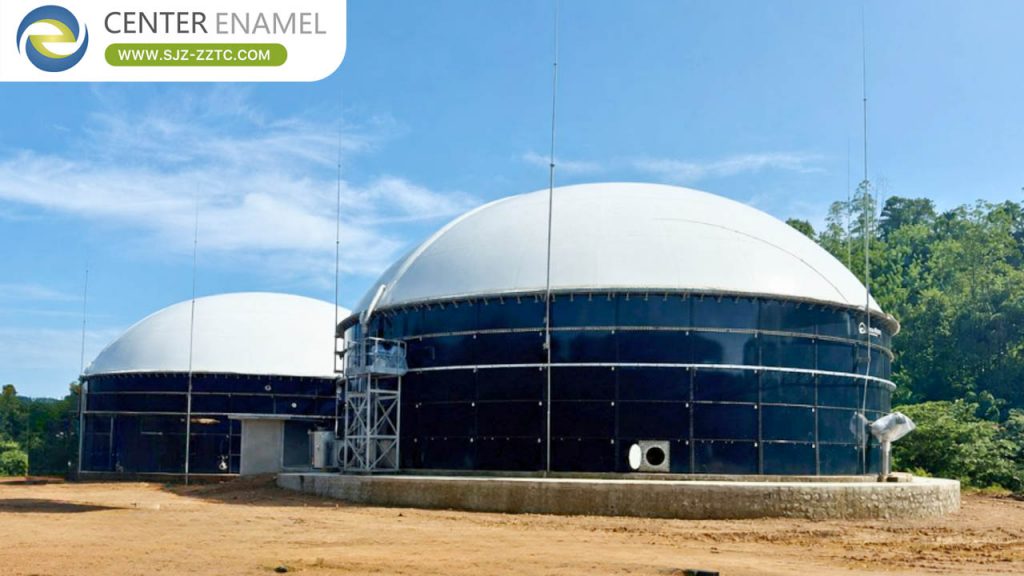
Understanding Biogas as a Renewable Energy Source
Biogas is produced by anaerobic digestion of organic matter - manure, food waste, crop residues, and sewage sludge. Because these feedstocks are continuously generated, biogas is a genuinely renewable energy source: the carbon released during combustion was captured by plants months or weeks earlier, creating a closed carbon loop.
What makes biogas strategically different from other renewables is dispatchability. A biogas plant is essentially a fuel production facility with a storage tank: biogas can be stored in gas holders and burned exactly when electricity demand or prices peak, behaving like a fossil peaker plant but with a renewable, carbon-negative fuel.
- Baseload capability: continuous generation independent of weather conditions.
- Grid services: biogas plants can ramp up and down faster than coal or nuclear, supporting grid stability.
- Storage synergy: gas storage decouples production from consumption, enabling generation at peak prices.
- Circular feedstock: uses waste that would otherwise emit methane or require costly disposal.
Comparative Data Table: Biogas vs Solar, Wind, and Natural Gas
The table shows why renewable energy portfolios are incomplete without a dispatchable component. Biogas delivers the grid services of natural gas with a carbon profile that is better than any renewable, plus the waste-management and fertilizer co-benefits that solar and wind cannot offer.
| Criterion | Biogas (AD) | Solar PV | Wind | Natural Gas |
| Dispatchability | Full (gas storage) | None (weather) | None (weather) | Full |
| 24/7 availability | Yes | No | No | Yes |
| Lifecycle carbon | Net negative to low | Very low | Very low | High |
| Feedstock dependency | Organic waste | Sunlight | Wind | Fossil fuel |
| Grid value | Baseload + peak + waste solution | Peak daylight | Variable | Peak (fossil) |
| Co-benefits | Fertilizer, waste treatment | None | None | None |
Biogas in National Decarbonization Strategies
Policy makers are recognizing biogas and biomethane as essential to sectors that electrification struggles to reach. In transport, upgraded biomethane powers heavy trucks and ships that batteries cannot yet serve. In industry, it replaces fossil gas in high-temperature processes. In the power sector, it provides the flexible capacity that lets grids integrate more solar and wind.
- Power sector: biogas CHP plants provide firm, flexible capacity that complements variable renewables.
- Transport: biomethane (CBG/bio-LNG) decarbonizes heavy-duty and marine fleets without new refueling infrastructure paradigms.
- Heating and industry: green gas certificates and grid injection allow buildings and factories to decarbonize without retrofits.
- Agriculture and waste: digestate returns nutrients to soil, reducing synthetic fertilizer demand and improving food-system circularity.
The Business Case for Biogas Renewable Energy Projects
The revenue stack of a biogas project now rivals that of wind and solar: energy sales, capacity and flexibility payments, renewable fuel credits, carbon offsets, waste-tipping fees, and fertilizer sales. Feedstock supply is contracted rather than weather-dependent, which financiers value highly.
With payback periods of 4 to 8 years and operational lifespans of 25 years or more, biogas projects offer the predictable, long-term returns that institutional capital seeks in the energy transition.
Frequently Asked Questions (FAQ)
Q1: Is biogas truly renewable?
A: Yes. Biogas comes from organic waste whose carbon was captured from the atmosphere by plants within the last growing cycle. Burning biogas returns that carbon to the atmosphere, creating a closed loop - unlike fossil fuels, which release carbon stored for millions of years. Manure-based biogas even avoids the potent methane emissions that would otherwise escape from storage.
Q2: How does biogas compare with solar and wind on cost?
A: On a levelized cost basis, solar and wind are cheaper per kWh in many markets. However, biogas competes on a different basis: it is dispatchable, so it earns revenue when prices peak, and it stacks waste-tipping fees and fertilizer revenue that solar and wind cannot. Including co-benefits, biogas projects frequently achieve superior risk-adjusted returns.
Q3: Can biogas replace natural gas completely?
A: At current production levels, no - global biomethane production is a small fraction of natural gas consumption. But biomethane can progressively replace fossil gas in transport, heating, and flexible power generation, exactly where decarbonization is hardest. Its role is to complement electrification, not to compete with it.