
Biogas Basics: Understanding the Fundamentals of Renewable Energy from Organic Waste
As global societies transition toward carbon neutrality and circular economies, understanding the foundational principles of alternative energy sources is essential. Among renewable technologies, biogas serves as a cornerstone for sustainable waste management and clean power generation.
Exploring biogas basics provides engineers, agricultural planners, and environmental scientists with clear insight into how natural biological decomposition can be harnessed to secure reliable, dispatchable green energy.
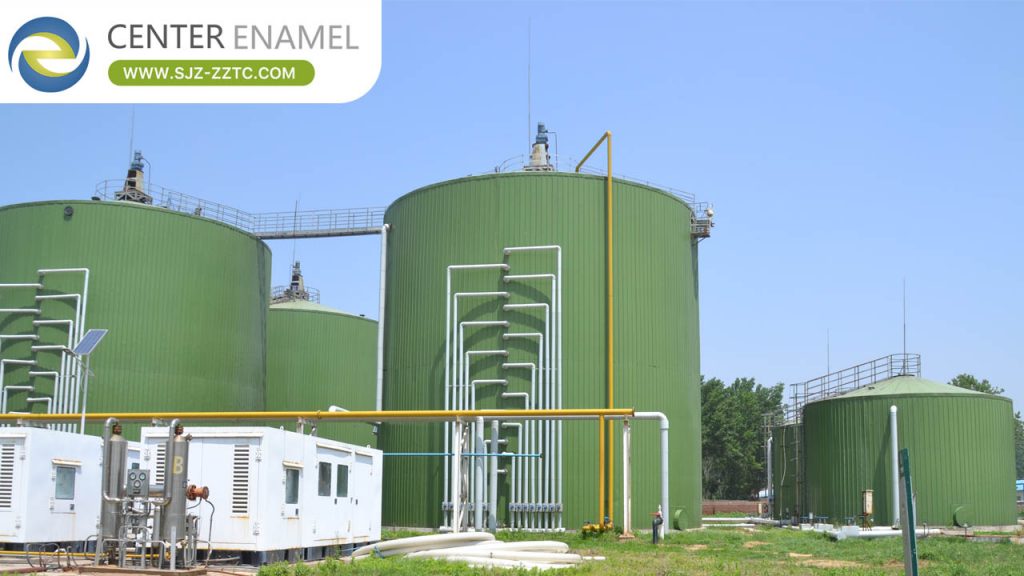
What Is Biogas?
Biogas is a clean, combustible gas mixture produced through the natural breakdown of biodegradable organic matter in a strictly oxygen-free environment—a biological process known as anaerobic digestion (AD).
Common organic feedstocks include livestock manure, agricultural crop residues, municipal food waste, and wastewater sewage sludge. When captured inside engineered biodigesters, this gas prevents fugitive methane emissions while providing a versatile fuel source for electricity, heating, or upgraded vehicle fuel.
Chemical Composition of Biogas
Raw biogas is not uniform; its exact makeup depends on the feedstock source and reactor stability. Typically, raw biogas consists of:
- Methane (CH4): 50% to 75% (the primary combustible energy carrier)
- Carbon Dioxide (CO2): 25% to 45%
- Trace Gases: Minor concentrations of water vapor, hydrogen sulfide (H2S), ammonia (NH3), and nitrogen.
The Four Stages of Biogas Production
Anaerobic digestion is a multi-step biochemical chain reaction driven by specialized microbial communities working in sequential harmony:
- Hydrolysis: Extracellular enzymes secreted by bacteria break down complex polymers (proteins, carbohydrates, and fats) into smaller, soluble monomers like simple sugars and amino acids.
- Acidogenesis: Acid-forming bacteria ferment these soluble monomers into volatile fatty acids (VFAs), alcohols, and carbon dioxide.
- Acetogenesis: Acetogenic bacteria convert the resulting organic acids and alcohols into acetic acid (acetate), carbon dioxide, and direct hydrogen.
- Methanogenesis: Strict anaerobic microorganisms known as methanogenic archaea consume the acetate and hydrogen, synthesizing the final methane (CH4) and carbon dioxide mixture that collects in the reactor headspace.
Comparative Data Table: Raw Biogas vs. Upgraded Biomethane
| Parameter | Raw Biogas | Upgraded Biomethane (RNG) |
| Methane Content (CH4) | 50% to 75% | 95% to 99%+ (High purity) |
| Carbon Dioxide (CO2) | 25% to 45% | Removed (< 3%) |
| Moisture & Impurities | Saturated with water vapor & H2S | Scrubbed and dried |
| Primary Applications | On-site Combined Heat & Power (CHP) boilers | Natural gas grid injection & Bio-CNG vehicle fuel |
| Energy Content | Approx. 5 to 7 kWh/m3 | Approx. 9.9 to 10 kWh/m3 |
Frequently Asked Questions (FAQ)
Q1: What is biogas and how is it naturally formed?
A: Biogas is a renewable fuel produced when organic waste—such as manure, food scraps, or plant residue—decomposes in the complete absence of oxygen through a microbial process called anaerobic digestion.
Q2: Can raw biogas be used directly in standard natural gas appliances?
A: No. Raw biogas contains corrosive hydrogen sulfide and high levels of moisture and carbon dioxide. It must first be filtered, dried, and upgraded into high-purity biomethane before it can enter standard pipeline networks or vehicle engines.
Q3: What happens to the remaining material after biogas extraction?
A: The residual material, known as digestate, is collected and utilized as a high-grade organic bio-fertilizer in agriculture because it is rich in essential nutrients like nitrogen, phosphorus, and potassium.