
How Does Biogas Combined Heat and Power (CHP) Work and What Are Its Benefits?
Biogas is a renewable energy source that can be used not only for electricity generation but also for efficient heat production. Among the various biogas utilization technologies, Biogas Combined Heat and Power (CHP), also known as biogas cogeneration, is one of the most widely adopted solutions for large-scale biogas projects.
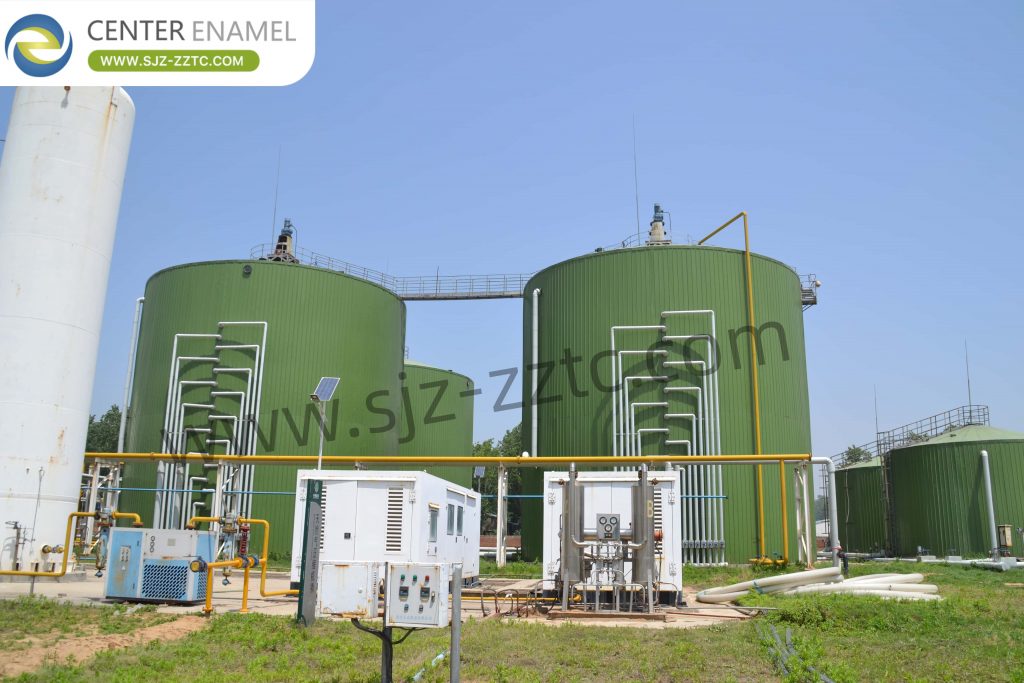
By generating electricity and recovering waste heat from the same energy conversion process, a biogas CHP system significantly improves overall energy utilization. Under suitable operating conditions, the total energy efficiency can exceed 80%, making it an attractive solution for farms, wastewater treatment plants, industrial facilities, and large-scale anaerobic digestion projects.
What Is Biogas CHP and How Is It Generated?
Biogas CHP is an energy utilization technology that simultaneously produces electricity and useful heat from biogas.
It is an important downstream application of the anaerobic digestion process. During anaerobic digestion, organic materials such as livestock manure, agricultural waste, food waste, and industrial organic wastewater are decomposed by microorganisms in an oxygen-free environment, producing biogas primarily composed of methane and carbon dioxide.
After collection, the biogas is treated to remove impurities such as hydrogen sulfide, moisture, and other contaminants. The purified biogas is then supplied to a gas engine connected to an electrical generator.
When the engine burns biogas, it generates mechanical energy to drive the generator and produce electricity. At the same time, heat from the engine cooling system and exhaust gas is recovered through heat exchangers.
This recovered heat can be used for digester heating, industrial processes, hot water production, or steam generation.
How Does a Biogas CHP System Work?
A biogas CHP system follows a coordinated process that converts organic waste into renewable electricity and useful thermal energy.
The typical operating process includes:
Feedstock preparation: Organic waste is collected, sorted, and prepared for anaerobic digestion.
Biogas production: Organic materials are decomposed inside an anaerobic digester, producing methane-rich biogas.
Biogas treatment: Moisture, hydrogen sulfide, and other impurities are removed to protect the CHP equipment.
Electricity generation: Treated biogas fuels a gas engine, which drives a generator to produce electricity.
Heat recovery: Waste heat from engine cooling water and exhaust gas is captured through heat exchangers.
Heat utilization: Recovered heat is supplied to digesters, heating systems, industrial equipment, or other thermal applications.
This integrated process allows biogas plants to maximize the energy value of organic waste.
Main Components of a Biogas CHP System
A complete biogas CHP installation consists of several interconnected systems that ensure stable energy production and efficient operation.
| Main Component | Function |
| Anaerobic Digester | Converts organic waste into biogas |
| Biogas Storage Tank | Stores biogas and balances gas supply and demand |
| Gas Pretreatment System | Removes moisture, hydrogen sulfide, and impurities |
| Gas Engine | Converts biogas chemical energy into mechanical energy |
| Generator | Produces electrical power |
| Heat Recovery System | Recovers heat from engine cooling water and exhaust gas |
| Control System | Monitors operating parameters and system performance |
Each component plays an important role in ensuring reliable biogas CHP operation.
Electricity Generation from Biogas
Electricity generation is one of the primary functions of a biogas CHP system.
After pretreatment, biogas is delivered to a gas engine, where methane is combusted to generate mechanical power. The engine drives an electrical generator, converting mechanical energy into electricity.
The electricity produced can be used in several ways:
Supply electricity for the biogas plant itself.
Power pumps, mixers, blowers, and other auxiliary equipment.
Provide electricity for farms, factories, and wastewater treatment facilities.
Export surplus electricity to the local power grid, subject to grid connection requirements.
By generating electricity on-site, biogas CHP systems can reduce dependence on external power supplies and improve energy security.
Waste Heat Recovery: Turning Engine Heat into Useful Energy
One of the most important advantages of biogas CHP is its ability to recover and reuse heat that would otherwise be wasted.
During engine operation, significant thermal energy is released through different sources.
Jacket Water Heat Recovery
The engine cooling system absorbs heat from the engine block and cylinder liners. Heat exchangers transfer this energy to water, which can be used for digester heating, hot water supply, and other heating applications.
Exhaust Gas Heat Recovery
High-temperature exhaust gas contains considerable recoverable thermal energy. An exhaust gas heat exchanger or waste heat boiler can transfer this energy to water or generate steam for industrial applications.
Other Heat Recovery Sources
Depending on the CHP equipment design, additional thermal energy may be recovered from engine oil cooling and other cooling circuits.
Combining these heat recovery methods allows biogas CHP plants to achieve a total energy efficiency of more than 80% under suitable operating conditions.
Applications of Biogas CHP in Different Industries
Biogas CHP technology is suitable for facilities that have both a continuous biogas supply and a stable demand for electricity and heat.
Common applications include:
Livestock Farms: Generates electricity for farm operations while supplying heat for anaerobic digesters, livestock facilities, and hot water systems.
Wastewater Treatment Plants: Converts biogas generated from sewage sludge digestion into electricity and heat for treatment processes.
Food Processing Plants: Supplies electricity and thermal energy for production equipment, cleaning systems, and industrial heating.
Landfills: Utilizes collected landfill gas for electricity generation and recoverable heat applications.
Agricultural Biogas Plants: Supports integrated waste treatment, renewable energy production, and agricultural resource utilization.
These applications make CHP an effective solution for facilities with significant organic waste resources and continuous energy requirements.
Energy Efficiency and Economic Benefits of Biogas Cogeneration
Compared with electricity-only generation, biogas CHP improves overall energy utilization by recovering useful thermal energy alongside electricity.
The following table illustrates the typical energy distribution of a biogas CHP system. Actual performance varies depending on engine technology, equipment configuration, and operating conditions.
| Energy Output | Typical Share of Biogas Energy Input |
| Electrical Energy | 35–45% |
| Recoverable Thermal Energy | 40–50% |
| System Losses | 10–20% |
| Total Useful Energy | Often Above 80% |
The main economic advantages include:
Higher overall energy utilization compared with electricity-only generation.
Lower external electricity and heating costs.
Reduced energy waste through heat recovery.
Potential additional revenue from surplus electricity.
Improved economic performance of large-scale biogas projects.
The actual return on investment depends on biogas production capacity, equipment costs, energy prices, operating hours, and the ability to utilize recovered heat.
Key Considerations for Designing a Biogas CHP Project
To ensure reliable operation and maximize energy efficiency, several factors should be considered during project planning.
Biogas Quality: Methane concentration, hydrogen sulfide content, moisture, and gas pressure directly affect engine performance and maintenance requirements.
Stable Gas Supply: The biogas production system and gas storage capacity should match the CHP unit's operating requirements.
Heat Demand: Heat recovery is most beneficial when the project has continuous thermal energy requirements, such as digester heating or industrial steam demand.
Equipment Selection: CHP capacity should be selected according to gas production volume, electricity consumption, and thermal demand.
System Maintenance: Regular inspection of gas treatment equipment, engines, heat exchangers, and control systems helps maintain operational reliability.
Proper system integration is essential for achieving stable performance and long-term economic benefits.
Center Enamel: Professional Biogas Solutions Provider
A reliable biogas CHP project requires more than an efficient generator. Stable biogas production, gas storage, and well-designed anaerobic digestion infrastructure are equally important.
Center Enamel is a professional biogas solutions provider specializing in Glass-Fused-to-Steel (GFS) tanks and storage solutions for anaerobic digestion and biogas projects.
With excellent corrosion resistance, durable construction, and modular bolted installation, Glass-Fused-to-Steel tanks provide reliable storage infrastructure for various biogas applications.
From anaerobic digestion infrastructure to biogas storage solutions, Center Enamel supports the development of efficient and sustainable biogas projects.
Frequently Asked Questions (FAQs)
1. What is the efficiency of a biogas CHP system?
A biogas CHP system can achieve an overall energy efficiency of more than 80% under suitable operating conditions. This includes electrical generation and the useful heat recovered from engine cooling water and exhaust gas.
2. What types of heat can be recovered from a biogas CHP unit?
The main recoverable heat sources are engine jacket cooling water and high-temperature exhaust gas. Depending on the system configuration, additional heat may also be recovered from engine oil cooling circuits.
3. What is the difference between biogas CHP and conventional biogas power generation?
Conventional biogas power generation primarily focuses on producing electricity, with much of the remaining heat potentially wasted. Biogas CHP simultaneously generates electricity and recovers useful heat, improving overall energy efficiency and project economics.
Contact Center Enamel for Professional Biogas Solutions
Planning a biogas project and looking for reliable anaerobic digestion and biogas storage solutions? Contact Center Enamel to explore our professional Glass-Fused-to-Steel tank technology.
Our experienced team is ready to support your project with durable storage solutions and professional expertise in biogas infrastructure development.