
Biogas Digestion Technologies and Types: A Comprehensive Guide to Anaerobic Systems
As global interest in decarbonization and circular economies intensifies, converting organic waste into green energy has become an industrial necessity. At the heart of this process is anaerobic digestion (AD)—a biological breakdown of organic matter by specialized microorganisms in an oxygen-free environment.
Because waste streams vary from dilute agricultural wastewater to high-solid municipal food waste, engineers have developed a wide array of biogas digestion technologies and system types tailored to specific operational scales and feedstock configurations.
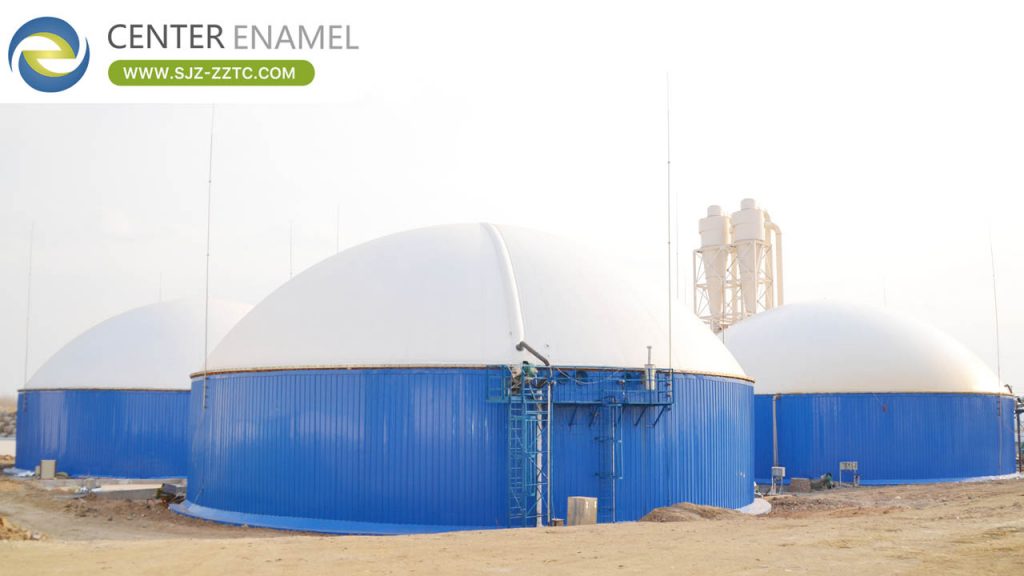
1. Classification by Reactor Technology and Configuration
Modern biogas facilities utilize several core engineering configurations to optimize microbial contact, retention time, and methane yields:
- Continuous Stirred Tank Reactors (CSTRs): Equipped with internal mechanical mixers, CSTRs maintain an even mixture of solid-liquid slurries. They are widely deployed in large-scale agricultural and municipal applications due to their high throughput and stability.
- Plug Flow Digesters: Designed as long, narrow horizontal channels where fresh high-solid feedstock pushes older material sequentially toward the outlet. They are exceptionally effective for dairy cattle manure without requiring complex internal mixing.
- Upflow Anaerobic Sludge Blanket (UASB) Reactors: High-rate liquid wastewater reactors where influent flows upward through a dense blanket of self-immobilized anaerobic bacterial granules, delivering high organic loading capacity without packing media.
- Dry Digesters (High-Solids Fermentation): Sealed, heated chambers designed to process stackable solid organic waste (such as food scraps and garden trimmings) with minimal water addition.
2. Classification by Scale and Structural Design (Small-Scale & Rural Plants)
For decentralized communities and small farms, simpler structural designs are preferred:
- Fixed-Dome Biogas Plants: Underground masonry structures featuring an immovable rigid gas dome and an adjoining expansion chamber that manages variable gas pressure through liquid displacement.
- Floating-Drum Plants: Subterranean digesters paired with a movable gasholder drum that floats on the slurry or water jacket, providing constant operating gas pressure and direct visual monitoring.
- Flexible Bag/Balloon Digesters: Low-cost, portable tubular plastic (PVC or PE) reactors that combine the digestion chamber and gas storage into a single flexible envelope.
Comparative Data Table: Biogas Digestion Technologies & Types
| Technology / System Type | Primary Feedstock | Operational Mode | Key Engineering Advantage | Ideal Application |
| CSTR | Slurries, food waste, manure | Continuous | High mixing efficiency & steady breakdown | Large commercial & municipal plants |
| Plug Flow | High-solid dairy manure (11-14% TS) | Semi-continuous | Handles viscous waste without internal clogging | Livestock and dairy farms |
| UASB Reactor | High-strength liquid wastewater | Upflow continuous | Massive chemical oxygen demand (COD) removal in a compact footprint | Industrial food & beverage plants |
| Fixed-Dome | Manure and organic waste | Semi-continuous | Zero moving parts, multi-decade structural lifespan | Rural households & small farms |
| Floating-Drum | Agricultural slurry & manure | Semi-continuous | Delivers constant operating gas pressure | Farms needing stable gas delivery |
| Dry Digester | Stackable solids, yard waste | Batch / Continuous | Processes high-solid waste with minimal water use | Municipal solid waste facilities |
Frequently Asked Questions (FAQ)
Q1: What is the difference between wet and dry biogas digestion technologies?
A: Wet (low-solids) digesters process feedstocks in liquid slurry form with less than 15% total solids, making them pumpable. Dry (high-solids) digesters process stackable solid waste with over 15% solids content in specialized sealed chambers with minimal water usage.
Q2: Why are CSTR systems preferred for commercial biogas plants?
A: Continuous Stirred Tank Reactors (CSTRs) use active mechanical mixing to maintain a uniform slurry mixture. This maximizes contact between microorganisms and organic feedstocks, allowing large commercial facilities to process diverse, high-volume waste streams reliably.
Q3: How does a UASB reactor achieve high-rate organic breakdown without physical filters?
A: A UASB reactor forces liquid wastewater upward through a dense, self-suspended blanket of granulated anaerobic bacterial biomass. This high concentration of retained biological mass rapidly degrades dissolved organic pollutants at high hydraulic loading rates.