
Biogas Emissions: Types, Environmental Impact, and How to Reduce Them
Biogas is widely recognized as a renewable energy source that can help reduce dependence on fossil fuels and support sustainable waste management. It is produced through the anaerobic digestion of organic materials, including agricultural waste, food scraps, animal manure, and sewage sludge.
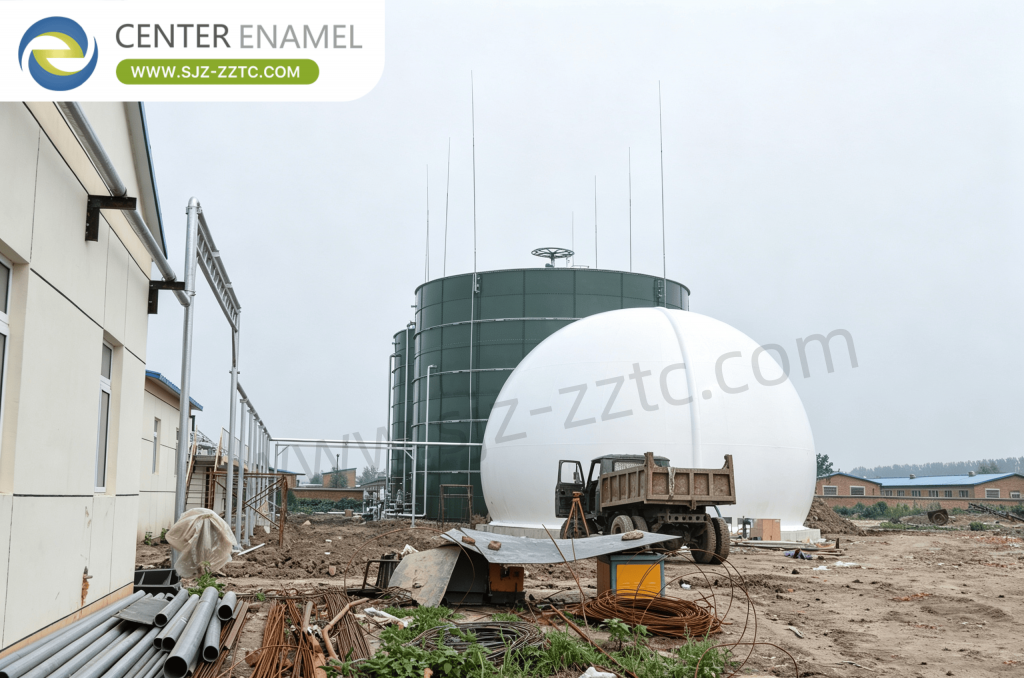
However, while biogas offers significant environmental benefits, its production and utilization can also generate emissions. These emissions may include methane, carbon dioxide, hydrogen sulfide, ammonia, and other trace compounds. If they are not properly controlled, they can affect air quality, contribute to climate change, and reduce the overall environmental benefits of biogas systems.
Understanding biogas emissions is essential for operators, environmental professionals, and businesses looking to develop cleaner energy solutions. This article explains the main types of biogas emissions, where they come from, their environmental effects, and practical methods for reducing them.
What Are Biogas Emissions?
Biogas emissions refer to gases and other substances released during the production, storage, treatment, transportation, and utilization of biogas.
Biogas is primarily composed of methane (CH₄) and carbon dioxide (CO₂). It may also contain small amounts of hydrogen sulfide (H₂S), ammonia (NH₃), water vapor, nitrogen, and other trace gases.
Not all biogas-related emissions have the same environmental impact. Methane is a particularly important concern because it is a powerful greenhouse gas. Uncontrolled methane leakage can significantly reduce the climate benefits of biogas production.
Emissions can occur throughout the entire biogas lifecycle, from organic waste decomposition to gas purification and final energy conversion.
Main Types of Biogas Emissions
Different gases are released from biogas systems depending on feedstock composition, operating conditions, and treatment technology.
The most common types include:
Methane (CH₄): A potent greenhouse gas that can escape through leaks, uncovered digestate storage, and incomplete combustion.
Carbon Dioxide (CO₂): A natural component of biogas, produced during anaerobic digestion and released during gas upgrading or combustion.
Hydrogen Sulfide (H₂S): A toxic and corrosive gas that can cause unpleasant odors and damage equipment.
Ammonia (NH₃): Can be released from nitrogen-rich feedstocks and digestate, potentially contributing to air pollution.
Volatile Organic Compounds (VOCs): Various organic compounds that may affect air quality and odor levels.
The composition and emission levels vary significantly between biogas plants.
Major Sources of Biogas Emissions
Biogas emissions can originate from several stages of the production process.
Anaerobic Digestion
During anaerobic digestion, microorganisms break down organic materials without oxygen. Although the process is designed to capture methane, some gas may escape if the digester is poorly sealed or operated incorrectly.
Gas Storage and Transportation
Methane leakage can occur through damaged pipes, valves, pressure relief systems, gas holders, and storage tanks.
Digestate Storage
Digestate is the nutrient-rich material remaining after anaerobic digestion. If stored in open tanks or lagoons, residual organic matter may continue producing methane.
Biogas Combustion
When biogas is burned in boilers, engines, or combined heat and power systems, emissions may include nitrogen oxides (NOx), carbon monoxide (CO), and unburned methane.
Gas Upgrading
Biogas upgrading removes CO₂ and impurities to produce biomethane. Depending on the technology, methane slip may occur during separation and purification.
Typical Composition of Biogas and Its Emission Characteristics
Understanding biogas composition helps operators identify potential emission risks and select suitable treatment technologies.
The following table presents typical biogas composition ranges. Actual values depend on feedstock and digestion conditions.
| Gas Component | Typical Content | Main Environmental Concern |
| Methane (CH₄) | 50–70% | Greenhouse gas emissions |
| Carbon Dioxide (CO₂) | 30–50% | Climate impact |
| Hydrogen Sulfide (H₂S) | 0–3% | Toxicity and corrosion |
| Nitrogen (N₂) | 0–5% | Generally low direct impact |
| Water Vapor | Variable | Condensation and corrosion |
| Ammonia (NH₃) | Trace amounts | Air pollution and acidification |
These percentages describe the composition of raw biogas, not the amount released into the atmosphere. Actual emissions depend on leakage rates, gas recovery efficiency, and operational management.
Environmental Impact of Biogas Emissions
Biogas can provide environmental advantages, but poorly managed emissions may undermine these benefits.
Climate Change
Methane leakage is one of the most significant environmental concerns associated with biogas facilities. Methane traps much more heat than CO₂ over a given period, making leakage control essential.
Air Quality
Hydrogen sulfide, ammonia, VOCs, and combustion-related pollutants can negatively affect local air quality.
Soil and Water Pollution
Improper digestate handling may lead to nutrient runoff, ammonia volatilization, and contamination of nearby water sources.
Odor Problems
Hydrogen sulfide, ammonia, and other sulfur-containing compounds can create unpleasant odors around biogas plants, potentially affecting nearby communities.
Therefore, effective emission management is necessary to ensure that biogas remains a genuinely sustainable energy option.
Biogas Emissions from Different Sources
Different biogas production and utilization stages generate different types of emissions. Identifying these sources helps plant operators establish appropriate monitoring and control strategies.
| Emission Source | Main Pollutants | Recommended Control Method |
| Anaerobic digester | Methane, CO₂ | Gas-tight digester design |
| Gas storage tanks | Methane | Sealed storage systems |
| Gas pipelines | Methane | Regular leak detection |
| Digestate storage | Methane, NH₃ | Covered storage tanks |
| Gas combustion | NOx, CO | Optimized combustion |
| Gas upgrading | Methane slip, CO₂ | Efficient gas recovery |
Regular inspections and preventive maintenance can help reduce emissions throughout the entire production process.
How to Reduce Biogas Emissions
Reducing biogas emissions requires a combination of proper engineering, operational management, and continuous monitoring.
Here are several effective approaches:
1. Improve Digester Sealing
Use high-quality sealing materials and gas-tight structures to prevent methane leakage. Regularly inspect joints, covers, and connections.
2. Install Gas Leak Detection Systems
Methane detectors and portable gas analyzers help identify leaks before they become significant environmental problems.
3. Optimize Gas Collection
Ensure that gas collection systems operate under suitable pressure conditions. Properly designed pipes, valves, and storage systems can improve gas recovery.
4. Upgrade Biogas Treatment Technology
Removing hydrogen sulfide, moisture, and other impurities improves gas quality and protects downstream equipment.
5. Cover Digestate Storage Facilities
Covered digestate tanks can capture residual methane and reduce uncontrolled emissions.
6. Improve Combustion Efficiency
Proper engine maintenance, air-fuel ratio control, and combustion optimization can reduce incomplete combustion and unburned methane.
7. Conduct Regular Emission Audits
Periodic monitoring helps operators identify emission hotspots, evaluate equipment performance, and implement corrective actions.
Monitoring and Managing Biogas Emissions
Emission monitoring is essential for maintaining safe and efficient biogas operations.
Common monitoring technologies include:
Gas analyzers: Measure methane, carbon dioxide, oxygen, and hydrogen sulfide concentrations.
Infrared cameras: Help identify methane leaks from pipelines, tanks, and other equipment.
Continuous emission monitoring systems: Track selected pollutants from combustion equipment.
Portable methane detectors: Support routine inspections and leak identification.
Pressure and flow sensors: Help detect abnormal gas losses and equipment malfunctions.
The monitoring strategy should reflect the size, technology, feedstock, and regulatory requirements of the facility.
A well-designed monitoring program not only reduces environmental risks but also improves energy recovery, operational reliability, and long-term economic performance.
The Future of Biogas Emission Reduction
As renewable energy demand increases, biogas technology is expected to play a growing role in sustainable energy systems.
Future improvements will focus on better methane recovery, advanced gas purification, automated leak detection, and more efficient digestate management.
Digital monitoring technologies and smart sensors can help operators identify abnormal conditions in real time. Meanwhile, improved biogas upgrading systems can reduce methane losses while producing higher-quality biomethane for industrial use, heating, and transportation.
Stronger environmental standards and lifecycle emission assessments will also encourage biogas producers to adopt more responsible operating practices.
Ultimately, the sustainability of biogas depends not only on how much renewable energy it produces but also on how effectively emissions are controlled throughout its lifecycle.
Frequently Asked Questions (FAQs)
1. What are the main emissions from biogas?
The main biogas-related emissions include methane, carbon dioxide, hydrogen sulfide, ammonia, and volatile organic compounds. Combustion equipment may also release nitrogen oxides and carbon monoxide.
2. Is biogas environmentally friendly despite its emissions?
Yes. Biogas can reduce reliance on fossil fuels, recover energy from organic waste, and help manage agricultural and municipal waste. However, methane leakage and poor waste management can reduce its environmental benefits. Effective emission control is essential.
3. How can methane emissions from biogas plants be reduced?
Methane emissions can be reduced through gas-tight digesters, regular pipeline inspections, leak detection systems, covered digestate storage, efficient gas upgrading, and optimized combustion equipment.