
Biogas Environmental Benefits: How Biogas Supports a Cleaner Future
As the world looks for cleaner and more sustainable energy sources, biogas is becoming an increasingly important part of the renewable energy transition. Produced from organic waste such as animal manure, food scraps, agricultural residues, and sewage sludge, biogas offers an alternative to conventional fossil fuels.
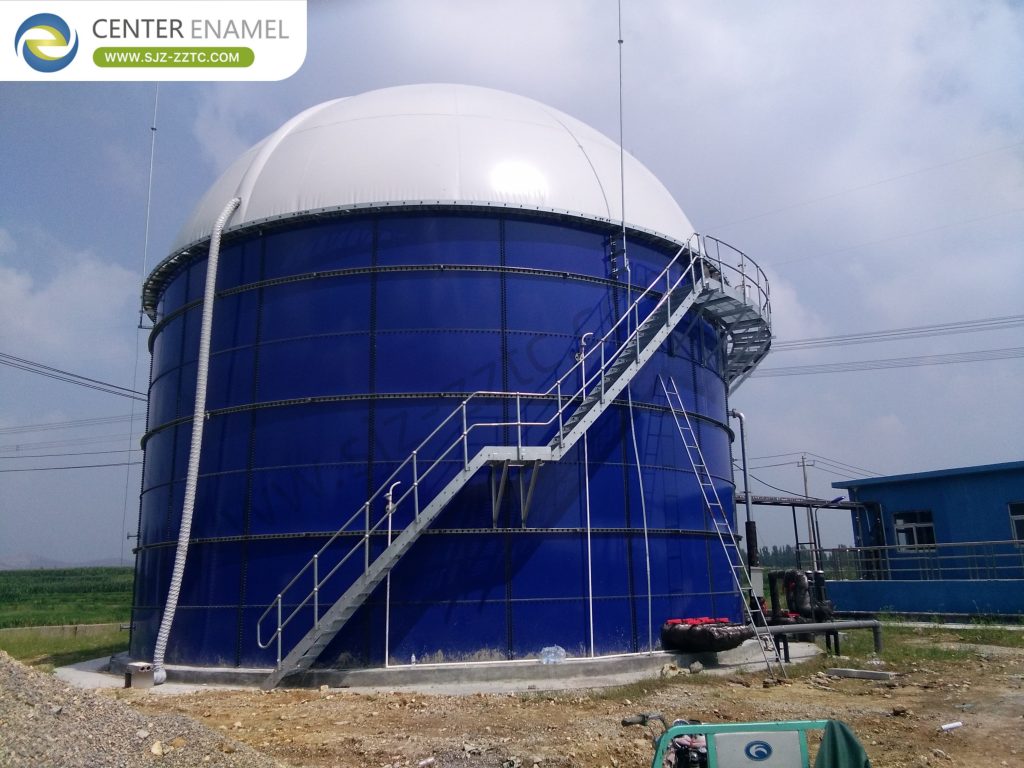
The environmental benefits of biogas go beyond energy production. It can help reduce greenhouse gas emissions, improve waste management, support sustainable agriculture, and decrease dependence on natural gas.
But how environmentally friendly is biogas, and why is it considered a sustainable energy source? In this article, we explore the major biogas environmental benefits and compare biogas with natural gas to understand its role in a cleaner energy future.
What Is Biogas and How Is It Produced?
Biogas is a renewable fuel generated through anaerobic digestion, a biological process in which microorganisms break down organic materials without oxygen.
Common feedstocks include:
Animal manure from farms and livestock facilities
Food waste from households and restaurants
Agricultural residues and crop waste
Organic waste from food processing facilities
Sewage sludge from wastewater treatment plants
During anaerobic digestion, microorganisms decompose organic matter and produce a gas mixture consisting mainly of methane (CH4) and carbon dioxide (CO2).
Biogas typically contains 50%–70% methane, although its composition depends on the feedstock and operating conditions.
The methane can be burned to generate heat and electricity. Alternatively, biogas can be upgraded by removing carbon dioxide, moisture, and other impurities to produce biomethane, which can be used in applications similar to natural gas.
Reduces Greenhouse Gas Emissions
One of the most important environmental benefits of biogas is its potential to reduce greenhouse gas emissions.
Organic waste, particularly animal manure and food waste, can release methane when it decomposes under uncontrolled anaerobic conditions. Methane is a powerful greenhouse gas that contributes significantly to global warming.
By collecting organic waste and processing it in controlled anaerobic digesters, biogas facilities can capture methane and use it as an energy source instead of allowing it to escape into the atmosphere.
Biogas can also replace fossil fuels in electricity generation, heating, and industrial applications. This helps reduce emissions associated with conventional energy consumption.
However, the environmental benefits depend on effective methane capture, leak prevention, and proper digestate management. Poorly operated systems may release methane and reduce their climate benefits.
Turns Organic Waste into Renewable Energy
Another major advantage of biogas is its ability to transform waste into useful energy.
Every year, households, farms, restaurants, and food processing facilities generate large amounts of biodegradable waste. Without proper treatment, some of this waste may contribute to landfill emissions, unpleasant odors, and environmental pollution.
Biogas production provides an alternative by converting organic materials into renewable fuel.
The process offers several environmental advantages:
Reduces the amount of organic waste requiring disposal.
Recovers energy from materials that would otherwise be discarded.
Supports more efficient waste management systems.
Reduces dependence on landfill disposal.
Creates opportunities for local renewable energy production.
This approach supports a circular economy in which waste materials are reused as valuable resources rather than treated as unwanted products.
Reduces Dependence on Fossil Fuels
Natural gas, coal, and petroleum remain major sources of energy worldwide. However, these fossil fuels are finite resources and contribute to greenhouse gas emissions.
Biogas offers a renewable alternative because it is produced from continuously generated organic materials.
When used for cooking, heating, electricity generation, or industrial processes, biogas can replace some conventional fossil fuel consumption.
Upgraded biogas, known as biomethane, is particularly valuable because it has similar properties to natural gas and can be used in compatible gas infrastructure.
By increasing biogas production, countries and businesses can diversify their energy supplies and reduce their dependence on fossil fuel markets.
Supports Sustainable Agriculture
Biogas plays an important role in making agricultural operations more sustainable.
Livestock farms generate significant quantities of animal manure, which can release methane and create waste management challenges if handled improperly.
Anaerobic digestion provides a practical solution by processing manure and recovering energy from it.
After digestion, the remaining material is called digestate. Depending on its quality and treatment, digestate can be used as an organic fertilizer or soil amendment.
Its potential agricultural benefits include:
Recycling nutrients such as nitrogen, phosphorus, and potassium.
Reducing the need for some synthetic fertilizers.
Improving nutrient management on farms.
Supporting more efficient agricultural waste treatment.
Providing renewable energy for farm operations.
However, digestate must be properly stored and applied to prevent nutrient runoff, ammonia emissions, and water pollution.
Biogas vs Natural Gas: Environmental Differences
Biogas and natural gas can both provide heat and electricity, but their environmental characteristics are different.
Natural gas is a fossil fuel extracted from underground reservoirs. Burning it releases fossil carbon dioxide into the atmosphere.
Biogas, on the other hand, is produced from recently generated organic materials. When sustainably produced and managed, its carbon cycle can result in lower net greenhouse gas emissions.
The following table compares their main environmental characteristics.
| Environmental Factor | Biogas | Natural Gas |
| Energy source | Organic waste | Fossil fuel deposits |
| Renewable status | Renewable | Non-renewable |
| Carbon cycle | Biogenic carbon cycle | Fossil carbon cycle |
| Greenhouse gas emissions | Can be significantly reduced with proper management | Releases fossil CO2 when burned |
| Methane management | Can capture methane from organic waste | Methane leakage may occur during extraction and transportation |
| Waste utilization | Converts organic waste into energy | Does not directly recycle organic waste |
| Long-term sustainability | Supports renewable energy development | Depends on finite fossil fuel reserves |
It is important to understand that biogas is not automatically carbon-neutral. Its environmental performance depends on feedstock sourcing, energy consumption during production, methane leakage, and digestate management.
Improves Waste Management and Reduces Pollution
Biogas production can improve waste management in agricultural, municipal, and industrial sectors.
Organic waste that is improperly stored or disposed of may cause soil contamination, water pollution, unpleasant odors, and uncontrolled methane emissions.
Anaerobic digestion helps manage these materials in a controlled environment.
For example, wastewater treatment plants can use anaerobic digestion to process sewage sludge while recovering biogas for their own energy needs.
Food processing companies can also convert biodegradable production waste into renewable energy rather than sending all of it to landfills.
These applications help improve resource efficiency and reduce the environmental burden of waste disposal.
Nevertheless, digesters must be properly designed and operated to prevent wastewater contamination, gas leakage, and improper waste handling.
Provides a Flexible Renewable Energy Source
Unlike solar and wind energy, which depend heavily on weather conditions, biogas can be stored and used when energy is needed.
This makes biogas a flexible renewable energy source that can support more reliable energy systems.
Common applications include:
Electricity generation through gas engines and generators.
Heating for residential and commercial buildings.
Industrial boilers and manufacturing processes.
Combined heat and power (CHP) systems.
Vehicle fuel after upgrading to biomethane.
Biogas can also support local energy independence, particularly in rural communities and agricultural areas with sufficient organic waste.
Its ability to provide controllable energy makes it a useful complement to other renewable energy technologies.
What Are the Main Environmental Challenges of Biogas?
Although biogas offers many environmental advantages, it also has limitations that should be considered.
Methane leakage: Methane can escape from digesters, pipelines, storage tanks, and other equipment if systems are poorly maintained.
Water consumption: Some biogas production systems require water for feedstock preparation and processing.
Land use: Growing dedicated energy crops for biogas may compete with food production and natural ecosystems.
Digestate management: Improper storage or application can cause nutrient runoff and ammonia emissions.
Infrastructure costs: Building digesters, gas purification systems, and storage facilities requires investment.
The best environmental results usually come from using existing organic waste, maintaining effective methane capture systems, and managing digestate responsibly.
Frequently Asked Questions (FAQs)
1. What are the main environmental benefits of biogas?
The main environmental benefits of biogas include reducing methane emissions from organic waste, producing renewable energy, improving waste management, reducing fossil fuel consumption, and supporting sustainable agriculture through digestate recycling.
2. Is biogas more environmentally friendly than natural gas?
Generally, sustainably produced biogas can have a lower lifecycle greenhouse gas footprint than natural gas, especially when it captures methane that would otherwise escape from organic waste. However, the actual environmental impact depends on production methods, methane leakage, and feedstock management.
3. Can biogas help reduce global warming?
Yes. Biogas can help mitigate global warming by capturing methane from organic waste and replacing some fossil fuel consumption. Its contribution depends on efficient production systems, low methane leakage, and responsible waste management.
Conclusion
The environmental benefits of biogas make it an important renewable energy option for a more sustainable future. By converting organic waste into useful energy, biogas can reduce greenhouse gas emissions, improve waste management, support sustainable agriculture, and decrease dependence on fossil fuels.
Although challenges such as methane leakage, infrastructure investment, and digestate management remain, properly designed biogas systems can deliver significant environmental value.
As the global demand for cleaner energy continues to grow, biogas and biomethane will play an increasingly important role in building a circular economy and supporting long-term environmental sustainability.