
Biogas for Road Vehicles: Applications, Benefits, and Bio-CNG vs. Bio-LNG
As the transportation industry moves toward cleaner and more sustainable energy sources, biogas is becoming an increasingly attractive alternative to conventional fossil fuels. Produced from organic waste such as livestock manure, agricultural residues, food waste, and municipal wastewater, biogas can be upgraded into biomethane and used as a renewable fuel for road vehicles.
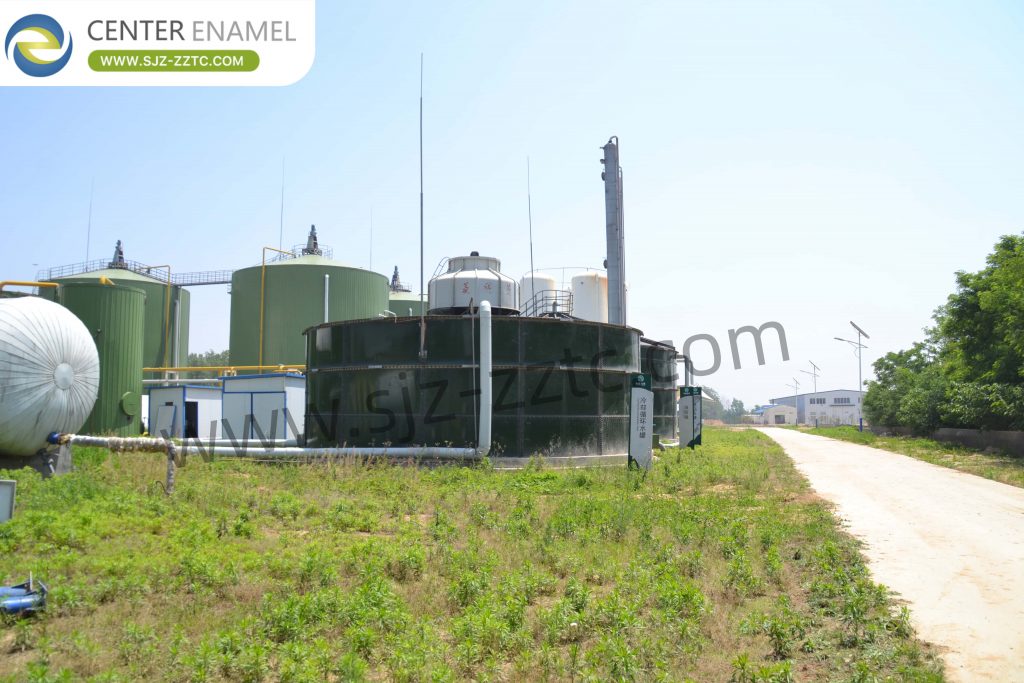
Known as renewable natural gas (RNG) in some markets, upgraded biogas can power buses, logistics trucks, agricultural tractors, and other natural gas-compatible vehicles. Depending on the application and transportation requirements, biomethane can be compressed into Bio-CNG or liquefied into Bio-LNG.
But how does biogas become vehicle fuel? What are the differences between Bio-CNG and Bio-LNG? And which solution is more suitable for public transportation, freight logistics, and agricultural operations?
This article explores the main applications, production processes, benefits, and technical considerations of biogas for road vehicles.
What Is Biogas for Road Vehicles?
Biogas for road vehicles refers to the use of purified biogas as a renewable transportation fuel.
Raw biogas typically contains 50–70% methane, with carbon dioxide, hydrogen sulfide, water vapor, and other trace components. Although methane is the main energy component, raw biogas generally cannot be used directly in standard natural gas vehicle systems without appropriate treatment.
Through a process called biogas upgrading, carbon dioxide, hydrogen sulfide, moisture, and other impurities are removed to produce biomethane with a higher methane concentration and suitable fuel quality.
The resulting biomethane can then be processed into:
Bio-CNG (Compressed Biomethane): Compressed renewable gas stored in high-pressure cylinders.
Bio-LNG (Liquefied Biomethane): Biomethane cooled to approximately -162°C and stored as a liquid fuel.
Both fuels can be used in compatible natural gas vehicle engines, offering an alternative to diesel and conventional natural gas.
How Is Biogas Converted into Vehicle Fuel?
Producing vehicle-grade biomethane requires several treatment and processing stages. The exact configuration depends on raw biogas composition, production capacity, and the required fuel specifications.
The typical production process includes:
Step 1: Raw Biogas Collection
Biogas is collected from anaerobic digesters treating organic waste, including agricultural waste, livestock manure, food waste, and sewage sludge.
Step 2: Biogas Pretreatment
Hydrogen sulfide, moisture, and other contaminants are removed to protect downstream equipment and improve processing efficiency.
Step 3: Biogas Upgrading
Carbon dioxide is separated from methane using technologies such as membrane separation, pressure swing adsorption (PSA), water scrubbing, or chemical absorption.
Step 4: Fuel Compression or Liquefaction
The purified biomethane is processed according to its intended application:
Compression for Bio-CNG production.
Cryogenic cooling for Bio-LNG production.
Step 5: Storage and Vehicle Refueling
The finished fuel is stored in suitable gas cylinders or cryogenic tanks and delivered to compatible vehicles through dedicated refueling systems.
Bio-CNG vs. Bio-LNG: Which Fuel Is Better for Road Vehicles?
Bio-CNG and Bio-LNG are two major forms of biomethane used in transportation. Although both originate from upgraded biogas, they have different storage requirements, energy densities, and vehicle applications.
| Comparison Factor | Bio-CNG | Bio-LNG |
| Fuel Form | Compressed gas | Liquefied gas |
| Storage Method | High-pressure cylinders | Cryogenic tanks |
| Storage Pressure | Typically 200–250 bar | Low pressure in insulated tanks |
| Storage Temperature | Ambient temperature | Approximately -162°C |
| Energy Density by Volume | Lower | Higher |
| Typical Applications | City buses, local delivery trucks, tractors | Heavy-duty trucks, long-distance logistics |
| Infrastructure | CNG refueling stations | LNG refueling stations |
| System Complexity | Moderate | Higher |
Which should you choose?
Bio-CNG is generally suitable for vehicles operating on fixed routes with regular access to refueling stations, such as city buses and municipal service vehicles.
Bio-LNG is more appropriate for heavy-duty transportation and long-distance logistics because its higher volumetric energy density allows vehicles to carry more energy in a given tank volume.
The final choice depends on driving distance, vehicle type, fuel infrastructure, and total operating costs.
Biogas for Public Transportation: Renewable Fuel for City Buses
Public transportation is one of the most practical applications of biomethane as a vehicle fuel.
City buses typically operate on predictable routes and return to central depots for refueling. This makes it easier to establish dedicated Bio-CNG or Bio-LNG refueling infrastructure.
Main Benefits
Replaces conventional diesel with renewable biomethane.
Helps reduce lifecycle greenhouse gas emissions when produced and managed sustainably.
Supports local renewable energy utilization.
Creates opportunities to integrate municipal organic waste treatment with public transportation.
For municipalities and public transportation operators, a local biogas-to-Bio-CNG system can connect waste management, renewable energy production, and urban transportation into one integrated solution.
Biogas for Logistics Trucks and Heavy-Duty Vehicles
Freight transportation requires reliable fuel supplies, sufficient driving range, and competitive operating costs.
Bio-CNG can support regional delivery fleets and medium-duty logistics vehicles, while Bio-LNG is particularly relevant to heavy-duty trucks and long-distance transportation.
Why Use Biomethane in Logistics?
Logistics companies are under increasing pressure to reduce transportation emissions and improve supply chain sustainability.
Using biomethane offers several potential advantages:
Reduces dependence on fossil-based diesel.
Provides an alternative fuel for compatible natural gas truck engines.
Supports corporate carbon reduction targets.
Creates opportunities for renewable fuel procurement and low-carbon logistics.
Bio-LNG can be particularly attractive for long-distance freight operations where vehicle range and onboard fuel storage capacity are important considerations.
However, vehicle availability, refueling station coverage, fuel pricing, and maintenance infrastructure must be evaluated before fleet conversion.
Biogas for Agricultural Tractors and Farm Vehicles
Agricultural operations generate substantial quantities of organic waste, making them suitable locations for integrated biogas production and utilization.
Livestock manure, crop residues, and other biodegradable materials can be processed through anaerobic digestion to produce biogas. After upgrading, the biomethane can be used as fuel for compatible agricultural tractors and farm vehicles.
Main Applications
Agricultural tractors.
Farm transportation vehicles.
Organic waste collection vehicles.
Machinery equipped with compatible natural gas engines.
Key Advantages
An agricultural biogas system can create a localized energy cycle:
Farm waste is collected and processed through anaerobic digestion.
Biogas is produced and upgraded into biomethane.
Biomethane is compressed into Bio-CNG or processed into Bio-LNG.
Compatible farm vehicles use the renewable fuel.
Digestate can be returned to agricultural land as a nutrient-rich soil amendment, subject to appropriate treatment and regulatory requirements.
This approach helps farms improve waste management, reduce dependence on purchased fuels, and develop more circular agricultural operations.
One important consideration is that agricultural tractors require compatible engines, certified fuel storage systems, and appropriate refueling infrastructure. Not all conventional diesel tractors can directly use biomethane.
Environmental and Economic Benefits of Biogas Vehicle Fuel
Using biomethane in road transportation offers environmental and economic opportunities, especially when the fuel is produced from waste materials.
Environmental Benefits
Lower Lifecycle Greenhouse Gas Emissions
Biomethane produced from organic waste can reduce lifecycle greenhouse gas emissions compared with fossil fuels. The actual reduction depends on feedstock type, methane leakage, processing energy, digestate management, and the treatment of baseline waste emissions.
Waste-to-Energy Utilization
Agricultural waste, food waste, and livestock manure can be converted into renewable transportation fuel instead of being disposed of through less sustainable methods.
Reduced Dependence on Fossil Fuels
Replacing conventional natural gas or diesel with biomethane helps diversify transportation energy sources and increase renewable fuel consumption.
Economic Benefits
The economic value of biogas vehicle fuel depends on feedstock availability, production capacity, upgrading efficiency, fuel prices, and infrastructure investment.
Potential revenue and cost-saving opportunities include:
Reducing diesel or conventional natural gas purchases.
Supplying renewable fuel to public transportation fleets.
Selling Bio-CNG or Bio-LNG to commercial vehicle operators.
Creating additional value from agricultural and municipal organic waste.
Accessing applicable renewable fuel incentives and carbon reduction programs.
Equipment Required for a Biogas Vehicle Fuel Production System
A complete biogas-to-vehicle-fuel project requires several interconnected systems.
| Equipment | Main Function |
| Anaerobic Digester | Converts organic waste into raw biogas |
| Biogas Storage Tank | Temporarily stores raw biogas |
| Desulfurization System | Removes hydrogen sulfide |
| Gas Dehydration Unit | Removes excess moisture |
| Biogas Upgrading System | Separates CO₂ and increases methane concentration |
| Gas Compressor | Compresses biomethane for Bio-CNG production |
| LNG Liquefaction System | Converts biomethane into Bio-LNG |
| Fuel Storage System | Stores finished vehicle fuel |
| Refueling Station | Supplies biomethane to compatible vehicles |
The equipment configuration should be designed according to raw biogas production, methane content, daily fuel demand, vehicle fleet size, and final fuel specifications.
For projects supplying commercial vehicle fleets, an integrated system can help improve production efficiency, fuel quality control, and operational reliability.
How to Choose the Right Biogas Vehicle Fuel Solution
Before investing in a biogas vehicle fuel production system, project developers should evaluate several key factors.
Vehicle Type and Daily Driving Distance
City buses and regional delivery vehicles may be well suited to Bio-CNG, while long-distance heavy-duty trucks may benefit more from Bio-LNG.
Agricultural tractors require specialized compatibility assessments.
Available Biogas Production Capacity
The daily production volume of raw biogas determines the potential output of vehicle-grade biomethane.
A feasibility study should calculate expected methane recovery, upgrading capacity, and daily fuel production.
Refueling Infrastructure
Bio-CNG requires high-pressure compression and suitable CNG refueling equipment, while Bio-LNG requires cryogenic storage and dispensing facilities.
The location and availability of these facilities can significantly influence project economics.
Investment and Operating Costs
Developers should consider equipment investment, electricity consumption, maintenance, labor, fuel transportation, and vehicle conversion or acquisition costs.
Fuel Quality and Regulations
Vehicle-grade biomethane must meet applicable gas composition, calorific value, moisture, sulfur, and other fuel quality requirements.
Local regulations and vehicle manufacturer specifications should always be checked before selecting the final system configuration.
Conclusion: Turning Organic Waste into Renewable Transportation Fuel
Biogas for road vehicles offers an effective way to connect organic waste treatment with sustainable transportation.
Through proper purification and upgrading, raw biogas can be converted into Bio-CNG or Bio-LNG for public buses, logistics trucks, agricultural tractors, and other compatible vehicles.
Bio-CNG is generally more suitable for urban transportation and regional vehicle fleets, while Bio-LNG offers advantages for heavy-duty and long-distance transportation.
For agricultural enterprises and industrial waste treatment facilities, biomethane production can also create additional value from locally available organic waste.
With the right upgrading technology, fuel processing equipment, and refueling infrastructure, biogas can become an important component of the renewable transportation energy system.
Frequently Asked Questions (FAQs)
FAQ 1: Can biogas be used directly as fuel for cars, buses, and trucks?
Raw biogas generally cannot be used directly in standard natural gas vehicles because it contains carbon dioxide, hydrogen sulfide, moisture, and other impurities. It must first be cleaned and upgraded into vehicle-grade biomethane, which can then be compressed into Bio-CNG or liquefied into Bio-LNG.
FAQ 2: What is the difference between Bio-CNG and Bio-LNG?
Both are produced from upgraded biogas. Bio-CNG is compressed and stored in high-pressure cylinders at ambient temperature, making it suitable for city buses and regional delivery vehicles. Bio-LNG is cooled to approximately -162°C and stored in cryogenic tanks, offering higher volumetric energy density for heavy-duty and long-distance transportation.
FAQ 3: Is biomethane suitable for agricultural tractors?
Yes. Biomethane can fuel agricultural tractors equipped with compatible natural gas engines and certified fuel storage systems. Farms can produce biomethane from livestock manure and agricultural waste, creating a renewable fuel supply for their own transportation and machinery needs.
Looking to convert biogas into Bio-CNG or Bio-LNG for buses, logistics trucks, or agricultural vehicles? Contact our team to discuss your biogas production capacity and vehicle fuel requirements.
We can help you identify the right biogas upgrading technology, gas purification equipment, and fuel processing configuration to develop an efficient and cost-effective biomethane production project.