
Biogas from Cow Dung: Transforming Cattle Manure into Clean Renewable Energy
Intensive livestock farming generates colossal quantities of bovine manure daily. Traditionally managed through open-air storage lagoons, untreated cattle slurry releases significant volumes of fugitive methane and nitrous oxide directly into the atmosphere, creating severe environmental and odor management hurdles.
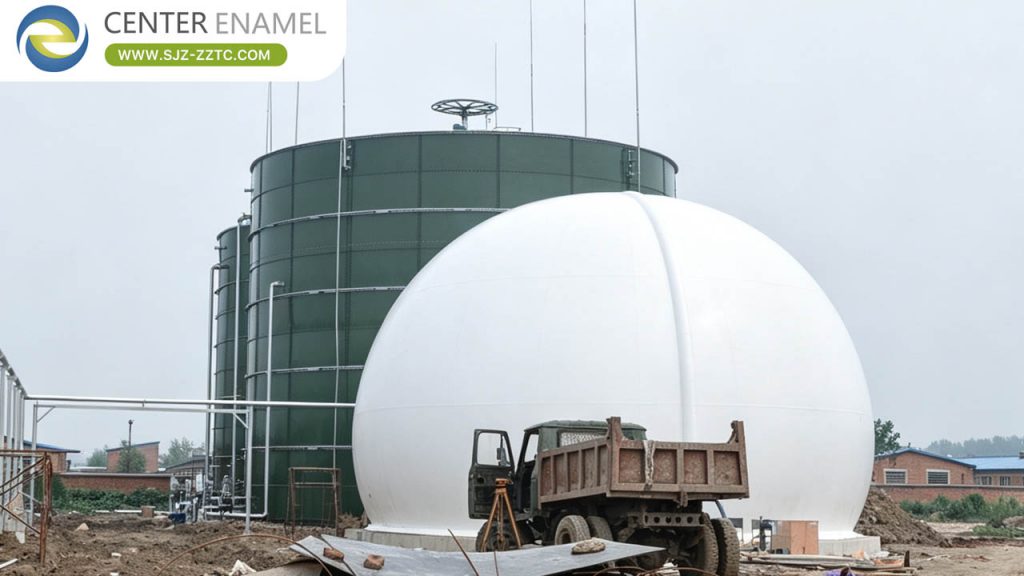
Harnessing biogas from cow dung through advanced anaerobic digestion (AD) converts this agricultural waste stream from an environmental liability into a high-value asset. By utilizing sealed industrial bioreactors, livestock operations can generate reliable baseload renewable energy, capture greenhouse gas emissions, and produce nutrient-rich organic bio-fertilizer.
Why Cow Dung is an Ideal Biogas Substrate
Unlike high-sugar food waste or fibrous crop residues, bovine manure possesses unique chemical and biological characteristics that make it the foundational bedrock of farm-scale biogas facilities:
- Natural pH Buffering Capacity: Cow dung contains high concentrations of natural ammonium and carbonates, offering exceptional buffering that protects the biological reactor from rapid acidification (sourness) even under fluctuating loading rates.
- Native Microbial Population: Bovine manure is naturally rich in active anaerobic bacteria and methanogenic archaea, helping jump-start biological activity within new or restarted digester tanks.
- Manageable Total Solids (TS): Raw cow slurry typically has a total solids content between 8% and 12%, making it pumpable and perfectly suited for continuous liquid-state digestion systems.
The Four-Stage Anaerobic Digestion Process
Converting cow dung into combustible gas requires a tightly controlled, oxygen-free environment where specialized microorganisms execute four core metabolic phases:
- Hydrolysis: Extracellular enzymes break down complex particulate organic polymers (such as cellulose, hemicellulose, and proteins) into soluble monomers like simple sugars and amino acids.
- Acidogenesis: Acid-forming bacteria convert these soluble monomers into volatile fatty acids (VFAs), alcohols, and trace carbon dioxide.
- Acetogenesis: Acetogenic bacteria transform intermediate organic acids into acetic acid (acetate), direct hydrogen, and carbon dioxide.
- Methanogenesis: Strict anaerobic archaea consume the acetate and hydrogen, synthesizing combustible methane (CH4) and carbon dioxide (CO2).
Comparative Data Table: Cow Dung Digestion Parameters
| Parameter | Typical Bovine Manure Value | Operational Significance |
| Total Solids (TS) | 8% to 12% | Perfectly pumpable for standard liquid Continuous Stirred-Tank Reactors (CSTR) |
| pH Level | 7.2 to 8.0 | Naturally alkaline; provides strong buffering against system souring |
| Carbon-to-Nitrogen (C:N) | 15:1 to 20:1 | Balanced baseline; often enhanced with carbon-rich straw for optimal yields |
| Methane Potential | 200 to 350 m3/ton VS | Moderate baseline energy density, ideal for baseload farm power |
Frequently Asked Questions (FAQ)
Q1: Why is cow dung considered a reliable substrate for biogas production?
A: Cow dung features a natural buffering capacity that protects the digester from rapid pH drops and acidification. It also contains native microbial populations that help maintain a stable, active biological environment inside the reactor tank.
Q2: How much biogas can be produced from cattle manure?
A: While methane yields vary based on the animal's diet and manure freshness, raw cow dung typically yields between 200 and 350 cubic meters of biogas per ton of volatile solids. Many farms co-digest cow dung with energy-dense crop silage or food waste to significantly boost total gas output.
Q3: What happens to the leftover manure after biogas extraction?
A: The residual material, known as digestate, is stored in secondary containment tanks. Because anaerobic digestion preserves essential macro-nutrients while reducing weed seeds and pathogen loads, digestate serves as a high-grade, low-odor organic bio-fertilizer for farm fields.