
Biogas From Kitchen Waste: Anaerobic Digestion Guide
Kitchen waste represents one of the most promising feedstocks for decentralized renewable energy production. With global food waste approaching 1.6 billion tons annually, the organic fraction of kitchen discards-ranging from canteen leftovers to household peelings-offers a high-moisture, rapidly biodegradable substrate ideally suited to anaerobic digestion . In Europe, nearly half of all biomethane production now originates from waste sources, with kitchen scraps and unsaleable food from industrial facilities leading the shift toward advanced biofuels . For facility managers, sustainability officers, and project developers, understanding the technical pathways from kitchen waste to usable biogas is the first step toward turning a disposal liability into an energy asset.
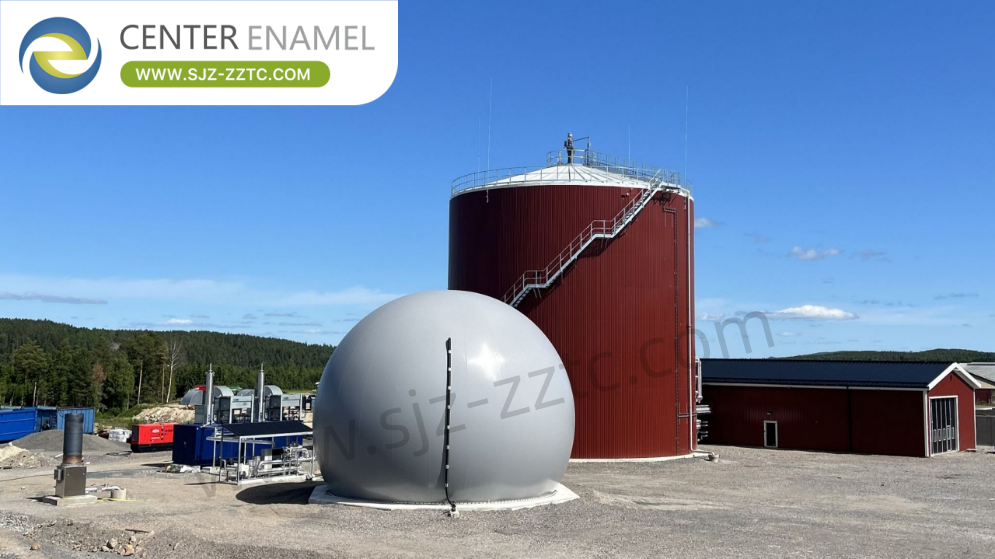
Why Kitchen Waste Is an Ideal Biogas Feedstock
Kitchen waste possesses several characteristics that make it attractive for anaerobic digestion. It typically contains over 90% organic solids, with a composition dominated by carbohydrates, proteins, and lipids that microorganisms can readily metabolize . The high moisture content, while problematic for incineration or landfilling, is advantageous for wet anaerobic digestion processes. The volatile solids fraction-the portion that can be converted to gas-is correspondingly high.
However, the same rapid biodegradability that makes kitchen waste productive also creates operational risks. Kitchen waste degrades quickly, producing volatile fatty acids that can accumulate and inhibit methanogenic bacteria if the digestion system is not properly buffered or managed . The heterogeneity of kitchen waste, which varies by source, season, and dietary habits, further complicates process stability. These challenges explain why pretreatment and process control are not optional refinements but essential requirements for reliable biogas production.
Pretreatment Methods for Enhanced Biogas Yield
Raw kitchen waste contains complex organic polymers that are only slowly accessible to anaerobic microorganisms. Pretreatment disrupts cellular structures and solubilizes organic matter, accelerating hydrolysis-the rate-limiting step in anaerobic digestion-and improving overall methane recovery.
Thermal pretreatment involves heating kitchen waste to temperatures below 110°C, which breaks down cell walls and dissolves lipids. Research indicates that thermal pretreatment at moderate temperatures is among the most cost-effective strategies for improving biogas yields from food waste . The energy demand, however, must be weighed against the incremental gas production.
Microwave irradiation offers a more rapid alternative. By inducing molecular dipole rotation, microwaves heat water within the waste and disrupt biomass structure at lower bulk temperatures than conventional heating. Studies comparing thermal and microwave pretreatment of kitchen waste have confirmed that both methods enhance anaerobic digestion performance, though the energy balance differs considerably between the two approaches .
Alkaline pretreatment using NaOH-urea solutions has demonstrated significant potential. Optimal conditions of 30 g/L NaOH-urea concentration, −5°C pretreatment temperature, and 30 minutes of treatment time have been shown to substantially improve solubilization and biogas production from kitchen waste . The mechanism involves breaking lignocellulosic structures and enhancing substrate accessibility for anaerobic bacteria.
| Pretreatment Method | Operating Conditions | Reported Benefits | Key Considerations |
| Thermal heating | <110°C | Enhanced solubilization; cost-effective | Energy input vs. yield gain |
| Microwave irradiation | Low to moderate intensity | Rapid cell disruption | Energy optimization critical |
| NaOH-urea | 30 g/L, −5°C, 30 min | Improved hydrolysis; higher biogas yield | Chemical handling and cost |
| Mechanical (shredding) | Particle size reduction | Increased surface area | Limited impact on complex polymers |
Co-Digestion Strategies to Stabilize and Boost Production
Mono-digestion of kitchen waste, while feasible, often suffers from process instability due to rapid acidification and nutrient imbalances. Co-digestion with complementary substrates addresses these limitations by balancing the carbon-to-nitrogen ratio, supplementing trace elements, and providing buffering capacity.
A controlled study comparing mono-digestion and co-digestion found that combining kitchen waste with cow dung produced 257.4 liters of cumulative biogas over 40 days, compared with 188.6 liters from kitchen waste alone and 145.8 liters from cow dung alone. The co-digestion treatment achieved 36.5% more biogas than kitchen waste mono-digestion and 76.5% more than cow dung alone . The synergy arises from the complementary characteristics of the two feedstocks: kitchen waste supplies readily degradable organic matter, while cow dung provides microbial inoculum and alkalinity that stabilize the digestion environment.
Co-digestion with sewage sludge is another established pathway, particularly at wastewater treatment facilities where infrastructure already exists. The combination of activated sludge and kitchen waste through anaerobic digestion allows for energy recovery while simultaneously treating two waste streams . For communities or institutions without access to animal manure, sludge co-digestion offers a practical alternative.
| Feedstock Combination | Cumulative Biogas (L, 40 days) | Relative Performance | Primary Benefit |
| Kitchen waste only | 188.6 | Baseline | High initial gas production; risk of acidification |
| Cow dung only | 145.8 | −22.7% vs. KW | Stable but lower yield |
| Cow dung + kitchen waste | 257.4 | +36.5% vs. KW | Balanced nutrients; sustained production |
Critical Process Parameters for Stable Operation
Successful biogas production from kitchen waste depends on maintaining conditions that favor methanogenic microorganisms. Temperature, substrate-to-inoculum ratio, organic loading rate, and mixing intensity all interact to determine process stability and yield.
Temperature is a dominant factor. Mesophilic digestion at 37°C offers greater stability and lower energy input, while thermophilic conditions at 55°C accelerate reaction rates. Research on kitchen waste has confirmed that both regimes can produce biogas, but the microbial communities and operational demands differ substantially . Temperature fluctuations are more damaging than absolute temperature, making precise control essential.
Substrate-to-inoculum (S/I) ratio determines the initial balance between food and microorganisms in batch systems. Studies have demonstrated that the lowest S/I ratio tested (0.5 on a volatile solids basis) produced the highest cumulative biogas yield, as the larger microbial population can metabolize the substrate without experiencing acidification . For continuous systems, this translates to maintaining sufficient biomass retention within the reactor.
Mixing intensity is an often-overlooked parameter. Excessive mixing disrupts microbial aggregates and can impair methanogenesis, while insufficient mixing creates dead zones and stratification. Research on impeller configurations found that moderate mixing achieved the highest methane production rate, with an impeller diameter ratio of 0.7 and a specific mixing control constant outperforming both weaker and stronger mixing regimes . The practical implication is that mixer design and operation should be optimized for substrate distribution without excessive shear.
Reactor Configurations for Kitchen Waste Digestion
The choice of reactor design depends on scale, feedstock consistency, and intended products. For institutional and commercial applications, several configurations have proven viable.
Continuous stirred tank reactors (CSTR) remain the most common design for wet anaerobic digestion of kitchen waste. They handle high solids content and tolerate compositional variability. However, single-stage CSTRs can experience short-circuiting and require relatively long hydraulic retention times. Serial CSTR configurations, in which two or more reactors operate in sequence, have been shown to improve bioconversion efficiency and increase biogas production compared with single-stage systems .
Two-stage anaerobic digestion separates hydrolysis-acidogenesis from acetogenesis-methanogenesis, allowing each microbial community to operate under optimal conditions. This configuration offers improved stability for high-strength kitchen waste, though the additional reactor increases capital cost and operational complexity.
Portable and small-scale digesters are increasingly relevant for decentralized applications at restaurants, hotels, and residential complexes. These systems are designed to process kitchen waste at the point of generation, reducing transportation costs and providing biogas for on-site cooking or heating . While the economics vary by location and energy prices, decentralized digestion eliminates the logistical burden of waste collection and disposal.
Biogas Yield, Quality, and Utilization
The actual biogas yield from kitchen waste depends on composition, pretreatment, and process efficiency. Reported yields vary considerably, but well-operated systems consistently achieve methane concentrations of 55–65%, making the gas suitable for direct combustion in engines or boilers.
Raw biogas requires conditioning before most end uses. Hydrogen sulfide, moisture, and carbon dioxide must be removed to varying degrees depending on the application. For combined heat and power generation, partial desulfurization and drying suffice. For grid injection or vehicle fuel, upgrading to biomethane with methane content exceeding 96% is necessary, typically through water scrubbing, amine absorption, or membrane separation.
The digestate remaining after digestion contains mineral nutrients from the original kitchen waste in plant-available forms. When properly stabilized and tested for contaminants, it serves as an organic fertilizer and soil amendment, closing the nutrient loop. This dual output-renewable energy and recycled nutrients-is central to the circular economy case for kitchen waste digestion.
Frequently Asked Questions
How much biogas can be produced from kitchen waste?
Biogas yield varies with feedstock composition and process conditions. In controlled co-digestion trials, kitchen waste combined with cow dung produced approximately 257 liters of biogas over 40 days, compared with 189 liters from kitchen waste alone . Methane content typically ranges from 55% to 65%. For planning purposes, European biomethane facilities processing food waste achieve reliable output, though site-specific feasibility testing is recommended.
What is the difference between kitchen waste digestion and composting?
Composting is an aerobic process that produces a soil amendment but captures no energy. Anaerobic digestion operates without oxygen, producing biogas as a renewable fuel alongside digestate. Kitchen waste‘s high moisture content makes it better suited to wet digestion than to composting, and the energy recovery potential provides an additional economic driver.
Can kitchen waste be digested without mixing with other materials?
Yes, mono-digestion of kitchen waste is technically feasible, and kitchen waste alone has been shown to produce higher initial gas volumes than some other feedstocks due to its rapid biodegradability . However, mono-digestion carries higher risk of acidification and process instability. Co-digestion with a buffering substrate such as cow dung or sludge is generally recommended for stable long-term operation, particularly in continuous systems.
Ready to evaluate biogas production from your kitchen waste stream? Contact our team to discuss feedstock testing, pretreatment options, and reactor design tailored to your facility‘s waste profile and energy requirements.