
Biogas from Organic Waste: Food Waste, Kitchen Waste, and Beyond
Global urbanization and economic expansion generate staggering volumes of organic discards daily. From residential kitchen scraps and commercial food processing waste to agricultural slurry, these materials represent both an environmental hazard when landfilled and an untapped resource when managed correctly.
Harnessing biogas from organic waste through advanced anaerobic digestion (AD) provides a powerful pathway to generate renewable energy, capture fugitive greenhouse gases, and advance circular economy targets.
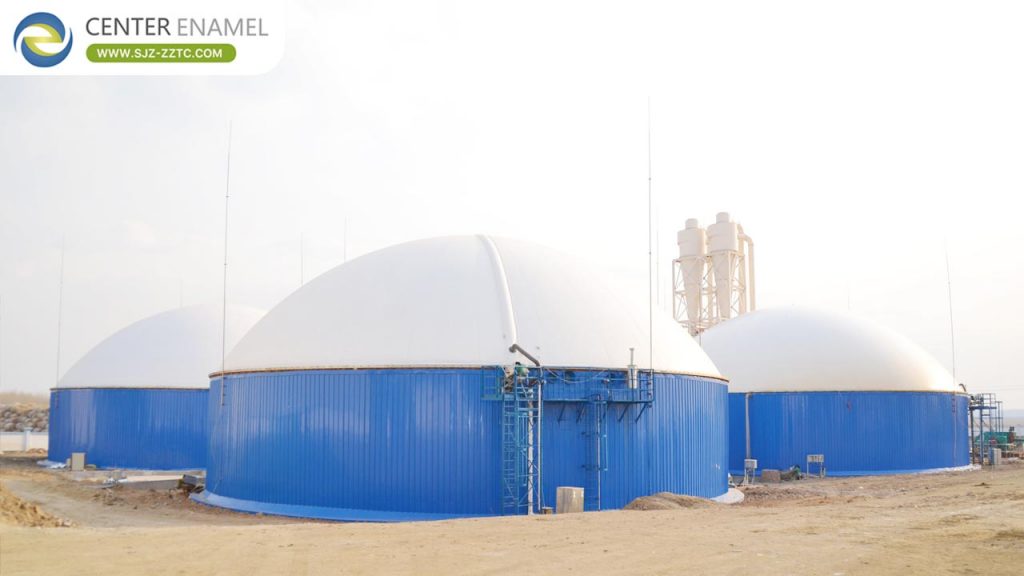
Diverse Organic Feedstocks for Biogas Production
An efficient anaerobic digestion facility can process a wide variety of organic materials, each offering unique chemical properties and methane yields:
- Residential Kitchen Waste: Includes daily household food scraps, vegetable peelings, and expired groceries. Rich in moisture and nutrients, it requires careful sorting to remove packaging contaminants.
- Commercial and Institutional Food Waste: Generated by restaurants, supermarkets, and industrial food processing plants. It offers exceptionally high methane potential due to its dense concentration of sugars, fats, and carbohydrates.
- Agricultural and Horticultural Waste: Crop residues, straw, and livestock manure. While fiber-rich and slower to break down, these materials provide critical structural balance and nitrogen buffering when co-digested with wet food waste.
- Municipal Wastewater Sludge: Organic solids recovered from municipal sewage treatment plants, providing a steady baseline substrate for large-scale urban digesters.
The Power of Co-Digesting Mixed Organic Wastes
Processing single waste streams often introduces operational challenges—such as rapid acidification from pure food waste or slow degradation from fibrous crop residue. Co-digestion—the simultaneous digestion of multiple organic waste streams—resolves these imbalances:
- Balancing the C:N Ratio: Mixing nitrogen-rich food waste with carbon-rich agricultural straw or manure establishes an optimal carbon-to-nitrogen ratio between 20:1 and 30:1.
- Buffering Capacity: Combining substrates prevents volatile fatty acids (VFAs) from accumulating, protecting the reactor from biological souring and stabilizing overall methane output.
Comparative Data Table: Organic Waste Feedstock Comparison
| Feedstock Category | Moisture & Total Solids (TS) | Methane Potential | Primary Operational Challenge |
| Residential Kitchen Waste | High moisture (10% to 20% TS) | High (400 to 500 m3/ton VS) | Contamination with plastics, glass, and metals |
| Commercial Food Waste | High moisture (15% to 25% TS) | Very High (450 to 600 m3/ton VS) | Rapid acidification (VFA buildup and souring) |
| Agricultural Crop Residues | Low moisture (30% to 40% TS) | Moderate (250 to 350 m3/ton VS) | Slow hydrolysis rate due to complex lignin |
| Municipal Sewage Sludge | High liquid content (2% to 5% TS) | Low to Moderate (200 to 300 m3/ton VS) | Diluted volume and trace heavy metal content |
Frequently Asked Questions (FAQ)
Q1: What types of organic waste can be converted into biogas?
A: Virtually any biodegradable organic matter can be converted, including residential kitchen scraps, commercial food waste, restaurant discards, agricultural crop residues, livestock manure, and municipal wastewater sludge.
Q2: Why is mixing or co-digesting different organic wastes beneficial?
A: Co-digesting different organic wastes balances the carbon-to-nitrogen (C:N) ratio. For instance, mixing nitrogen-rich food waste with carbon-rich agricultural straw or alkaline manure stabilizes the reactor pH and prevents rapid acidification.
Q3: How do facilities handle non-organic contaminants in residential and commercial food waste?
A: Commercial and municipal biogas facilities utilize advanced front-end pre-treatment systems, including industrial depackagers, hydro-cyclones, shredders, and mechanical screens, to remove plastics, glass, and metals before the organic slurry enters the anaerobic digester.