
Biogas from Organic Waste: How Anaerobic Digestion Turns Waste into Renewable Energy
Organic waste is a resource hiding in plain sight. Every year, farms, food processors, municipalities, and households generate enormous quantities of material-manure, food scraps, crop residues, sewage sludge-that could either decompose uncontrolled and release methane into the atmosphere or be deliberately converted into a clean, renewable gas. Biogas from organic waste sits at the center of this choice.
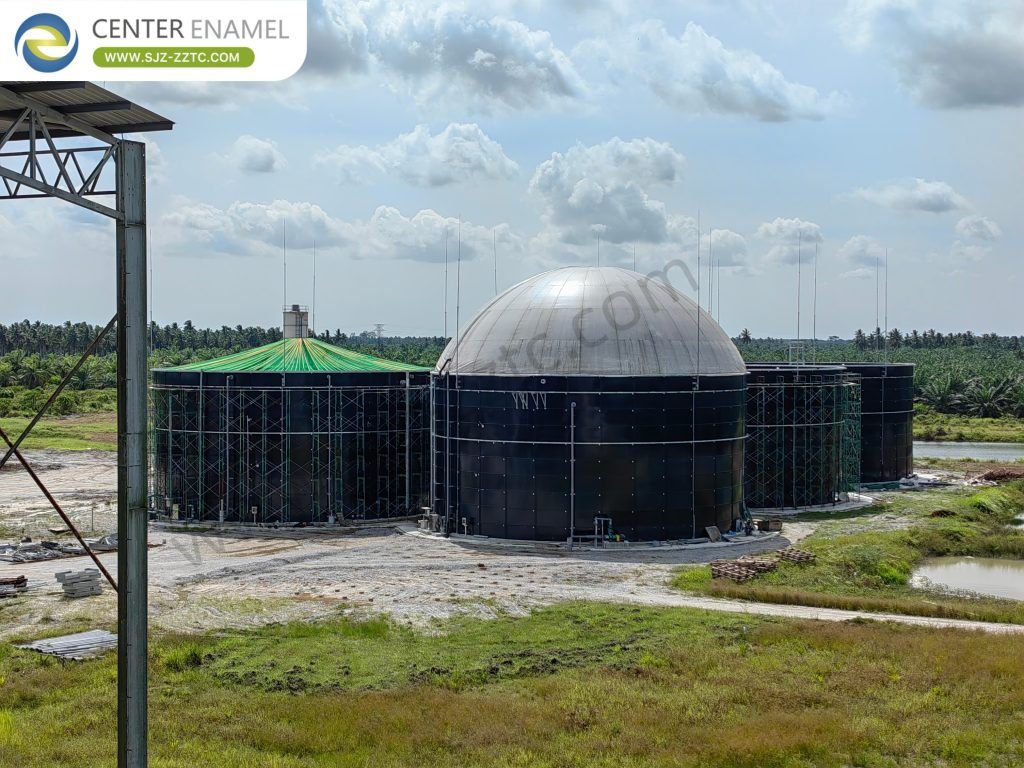
Through a biological process called anaerobic digestion, microorganisms break down organic matter in the absence of oxygen and produce a methane-rich gas suitable for electricity, heat, or upgraded biomethane. The same process yields a nutrient-rich digestate that can replace synthetic fertilizers. Understanding how biogas is produced from organic waste clarifies why this pathway has become a cornerstone of circular waste management and renewable energy strategies. This article examines the feedstocks, the microbiology, the operating conditions, and the end products that define the biogas from organic waste value chain.
What Counts as Organic Waste for Biogas Production
The feedstock range for anaerobic digestion is remarkably broad. Almost any organic material-solid or liquid-can be processed, provided it is biodegradable and free from excessive contaminants . Common categories include livestock manure and slurries, food waste from households and commercial kitchens, agricultural residues such as straw and crop stalks, food processing byproducts, sewage sludge from wastewater treatment, and the organic fraction of municipal solid waste . Each feedstock brings different characteristics that affect gas yield, process stability, and the need for pretreatment.
Manure is often favored because it comes with an inherent microbial population and buffering capacity that help stabilize the digester. Studies comparing livestock byproducts have found that chicken manure offers particularly high biogas potential due to its volatile solids content, while cattle manure provides a steady, reliable yield and pig manure tends to produce somewhat less gas per unit of organic matter . Food waste, by contrast, is energy-dense but can acidify rapidly if fed without balance, which is why co-digestion with manure or lignocellulosic materials is common practice. The key principle is that feedstock choice determines not only how much biogas is produced but also how easily the process can be kept in balance.
The Four-Stage Biology Behind Biogas from Organic Waste
Anaerobic digestion is not a single reaction but a sequence of four microbial stages, each carried out by distinct groups of microorganisms . The first stage, hydrolysis, breaks down complex polymers-carbohydrates, proteins, and fats-into soluble sugars, amino acids, and fatty acids. This step is often rate-limiting for lignocellulosic materials like straw, which resist breakdown without pretreatment. In the second stage, acidogenesis, fermentative bacteria convert those soluble compounds into volatile fatty acids, alcohols, and other intermediate products. The third stage, acetogenesis, transforms those intermediates into acetic acid, hydrogen, and carbon dioxide, preparing the material for the final step. Methanogenesis, the fourth stage, is where the methane-producing archaea take over, converting acetate and hydrogen into methane and carbon dioxide .
These microbial communities have different growth rates and sensitivities, which is why digester stability depends on keeping them in balance. If acid-producing bacteria outpace the methanogens, volatile fatty acids accumulate, pH drops, and methane production stalls. This biological fragility is the reason biogas plant operators monitor feedstock composition and feeding rates so carefully.
Optimal Conditions for Converting Organic Waste to Biogas
A digester will only perform reliably if the microbial community receives the conditions it needs. Four parameters are especially decisive. The carbon-to-nitrogen ratio of the feedstock mix should generally fall in the range of roughly 25–30:1, providing carbon for energy and nitrogen for cell synthesis . The dry matter concentration in the slurry should typically be around 7–9%; too dilute and the reaction slows, too thick and mixing becomes difficult . Temperature must be held within a narrow band-either mesophilic (around 35–38°C) or thermophilic (47–55°C)-because fluctuations disrupt the balance between microbial groups . pH should remain near neutral to slightly alkaline; acidification is one of the most common failure modes in digesters fed with easily degradable material.
Table 1: Key Operating Conditions for Anaerobic Digestion of Organic Waste
| Parameter | Target Range | Consequence of Deviation |
| Carbon-to-nitrogen ratio | 25–30:1 | Imbalance slows microbial growth; excess nitrogen can inhibit methanogens |
| Dry matter concentration | 7–9% | Too dilute reduces reaction rate; too thick impedes mixing and pumping |
| Temperature (mesophilic) | 35–38°C | Fluctuations disrupt microbial balance and reduce gas yield |
| Temperature (thermophilic) | 47–55°C | Faster digestion but higher heating demand and greater sensitivity |
| pH | Near neutral (6.8–7.5) | Acidification halts methanogenesis and can crash the process |
Beyond these core parameters, mixing, retention time, and the absence of toxic compounds also matter. Heavy metals, antibiotics, disinfectants, and excessive ammonia can all suppress microbial activity. This is why feedstock screening and, in some cases, pretreatment are integral to plant design. Mechanical, thermal, chemical, and biological pretreatments can improve digestibility, particularly for fibrous or recalcitrant organic waste, though the added energy and cost must be weighed against the gain in methane yield .
From Raw Biogas to Useful Energy: Composition and Upgrading
Raw biogas from organic waste is not pure methane. It typically contains 50–75% methane and 25–45% carbon dioxide, along with smaller amounts of water vapor, hydrogen sulfide, ammonia, and trace gases . The methane content determines the energy value of the gas. For direct use in a boiler or a combined heat and power engine, the gas can often be burned with minimal treatment, though hydrogen sulfide must be controlled to prevent corrosion. For grid injection or use as vehicle fuel, biogas must be upgraded to biomethane, with methane concentrations raised above 90–95% and impurities reduced to meet pipeline or fuel specifications .
Table 2: Common Utilization Pathways for Biogas from Organic Waste
| Pathway | Treatment Required | Typical End Use |
| Direct combustion | Minimal; H₂S removal advisable | Boilers, space heating, cooking |
| Combined heat and power | H₂S removal, moisture control | On-site electricity and heat recovery |
| Biomethane upgrading | CO₂ removal, H₂S removal, drying | Grid injection, compressed vehicle fuel |
| Digestate recovery | Solid-liquid separation (optional) | Biofertilizer, soil amendment |
The choice of pathway depends on local infrastructure and economics. On-farm plants often use combined heat and power because both electricity and heat can be consumed on site. Larger centralized facilities may invest in upgrading equipment when a gas grid connection or a fuel market is accessible. The common thread is that biogas from organic waste can be matched to a range of end uses rather than being confined to a single application.
Digestate: The Other Valuable Output
Biogas production does not consume the nutrients in organic waste; it redistributes them. The material remaining after digestion, called digestate, contains nitrogen, phosphorus, potassium, and organic matter in forms that are often more plant-available than in the raw feedstock . Anaerobic digestion converts organic nitrogen into ammonium, which crops can take up readily, and it reduces the viability of weed seeds and many pathogens depending on retention time and temperature.
Digestate can be applied to fields as a biofertilizer, either whole or after solid-liquid separation. The liquid fraction is rich in soluble nitrogen and can be used for fertigation; the solid fraction provides organic matter and phosphorus. Farms that integrate anaerobic digestion with crop production can reduce their dependence on synthetic fertilizers while improving soil structure. This nutrient-recycling dimension is a major reason why biogas from organic waste is considered a circular-economy solution rather than simply an energy technology .
Scale, Feedstock Logistics, and Practical Considerations
Biogas plants span an enormous range of scales. Household digesters, often built underground to stabilize temperature, process small quantities of manure and kitchen waste for a single family . Farm-scale plants are sized to match livestock waste output and may co-digest energy crops or food waste to boost gas yield. Centralized facilities accept feedstock from multiple sources and benefit from economies of scale in gas upgrading and grid connection. The trade-off is logistical: transporting wet, low-energy-density organic waste over long distances can erode the net energy gain, so the most efficient systems tend to keep feedstock generation close to the digester.
Feedstock heterogeneity is a persistent challenge. Organic waste streams vary in composition, moisture content, and contaminant levels from day to day and season to season. A plant designed for one mix may underperform when the mix changes. This is why successful operators invest in feedstock testing, blending strategies, and process monitoring. The biological process is robust when treated well, but it is not forgiving of neglect.
Why Biogas from Organic Waste Matters
The case for biogas from organic waste rests on multiple benefits that stack together. Capturing methane from manure, food waste, or sludge prevents a potent greenhouse gas from escaping into the atmosphere. Displacing fossil fuels with biogas reduces carbon dioxide emissions from energy production. Recycling nutrients through digestate lessens the demand for energy-intensive synthetic fertilizers. And treating organic waste through anaerobic digestion reduces odors, pathogens, and the volume of material requiring disposal or landfill . No single benefit tells the whole story; it is the combination that makes anaerobic digestion a practical tool for waste management, energy security, and agricultural nutrient cycling at the same time.
FAQ
What types of organic waste produce the most biogas?
Food waste and chicken manure are among the highest-yielding feedstocks per unit of organic matter, while cattle manure offers reliable but lower yields. The best choice depends on local availability, cost, and the need for process stability through co-digestion .
How long does it take to produce biogas from organic waste?
In a continuously fed digester, gas production begins within days to weeks after startup. The retention time-how long material remains in the digester-typically ranges from 20 to 40 days for mesophilic systems, depending on feedstock and temperature.
Is digestate safe to use as fertilizer?
Yes, when produced and handled properly. Anaerobic digestion reduces pathogen loads and weed seed viability, and the nutrients become more plant-available. Local regulations may specify application rates and handling requirements, especially for digestate derived from food waste or sewage sludge.
If you are exploring biogas from organic waste for your farm, municipality, or food processing operation, the right system design depends on your specific feedstock and energy goals. Our team can help you evaluate feasibility, select the appropriate digestion configuration, and plan for gas and digestate utilization. Contact us to discuss your project and turn your organic waste into a reliable resource.