
Biogas: From Waste to Energy – Redefining Renewable Fuel Landscapes
Global energy infrastructure is undergoing a fundamental shift. As industries and governments race toward aggressive decarbonization targets, traditional waste management practices are evolving into sophisticated resource recovery networks. At the forefront of this green transition is biogas—a powerful renewable energy source created through the natural decomposition of organic materials.
By converting environmental liabilities such as agricultural manure, food waste, and wastewater sludge into high-value fuel, biogas is redefining how modern societies approach energy security, carbon neutrality, and circular economics.
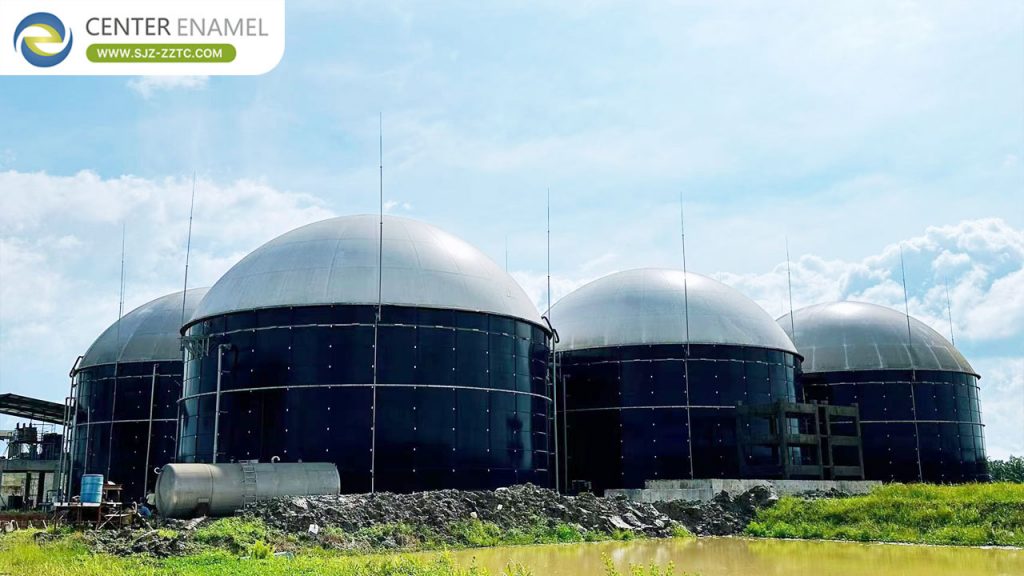
The Waste-to-Energy Paradigm: Shifting Toward Circular Economies
For decades, massive volumes of organic waste were disposed of in open landfills or untreated lagoons, releasing significant quantities of methane—a greenhouse gas with a global warming potential far greater than carbon dioxide. The waste-to-energy paradigm flips this linear model on its head.
Through sealed anaerobic digestion systems, organic waste streams are captured and redirected into controlled bioreactors. Microorganisms break down the complex polymers in an oxygen-free environment, transforming waste into two primary products:
- Renewable Biogas: A methane-rich gas utilized for combined heat and power (CHP) generation or upgraded into biomethane.
- Nutrient-Rich Digestate: A high-grade organic bio-fertilizer that replaces carbon-intensive synthetic fertilizers in agriculture.
Redefining Renewable Fuel Landscapes
While solar and wind power dominate headlines, they are inherently intermittent, relying heavily on weather conditions and daylight hours. Biogas bridges this critical reliability gap.
- Baseload Reliability: Unlike solar or wind, anaerobic digestion plants operate 24/7, providing stable, dispatchable baseload power that stabilizes local electrical grids.
- Grid Decarbonization via Biomethane: When raw biogas is scrubbed and purified into biomethane (Renewable Natural Gas [RNG]), it achieves a methane purity of 95% to 99%. This upgraded fuel is chemically interchangeable with fossil natural gas, allowing it to be injected directly into municipal gas grids or compressed into Bio-CNG for heavy-duty transportation fleets.
- Closed-Loop Agricultural Sustainability: Farms equipped with biodigesters treat livestock slurry on-site, eliminating foul odors, destroying harmful pathogens, and drastically reducing agricultural greenhouse gas emissions.
Comparative Data Table: Biogas vs. Other Energy Sources
| Energy Source | Carbon Footprint | Baseload Reliability | Primary Feedstock | Grid Compatibility |
| Biogas / Biomethane | Carbon-Neutral / Negative | High (24/7 continuous output) | Organic waste, manure, food scraps | Direct pipeline injection & CHP engines |
| Fossil Natural Gas | High (Fossil-derived emissions) | High (24/7 continuous output) | Underground fossil reserves | Universal natural gas infrastructure |
| Solar Photovoltaic | Low (During operation) | Intermittent (Daylight dependent) | Sunlight | Requires battery storage or grid balancing |
| Wind Power | Low (During operation) | Intermittent (Wind speed dependent) | Kinetic wind energy | Requires transmission infrastructure |
Frequently Asked Questions (FAQ)
Q1: How does biogas help redefine the renewable energy landscape?
A: Biogas redefines the renewable energy landscape by turning environmental waste liabilities into dispatchable, 24/7 baseload power and clean biomethane fuel, complementing intermittent energy sources like solar and wind while driving circular economy growth.
Q2: Can biogas replace conventional fossil natural gas?
A: Yes. When raw biogas undergoes advanced gas upgrading to remove carbon dioxide and impurities, it becomes high-purity biomethane (Renewable Natural Gas). Because it is chemically identical to fossil natural gas, it can replace fossil gas in pipeline networks and vehicle fuel systems without equipment modifications.
Q3: Is biogas production truly carbon-neutral?
A: Biogas is considered carbon-neutral (and often carbon-negative) because the carbon dioxide released when burning biogas was recently absorbed from the atmosphere by plants and organic matter during their natural growth cycle, creating a closed carbon loop.