
Biogas from Wastewater: A Sustainable Energy Solution
As global climate pressures mount and communities push toward net-zero targets, municipal and industrial sectors are fundamentally rethinking their operational workflows. Traditionally viewed solely as an environmental necessity to protect public health, wastewater treatment plants (WWTPs) and high-load industrial facilities are evolving into energy-positive resource recovery hubs.
At the center of this green transition is the production of biogas from wastewater—a proven, scalable pathway that turns hazardous organic loads into clean, renewable energy.
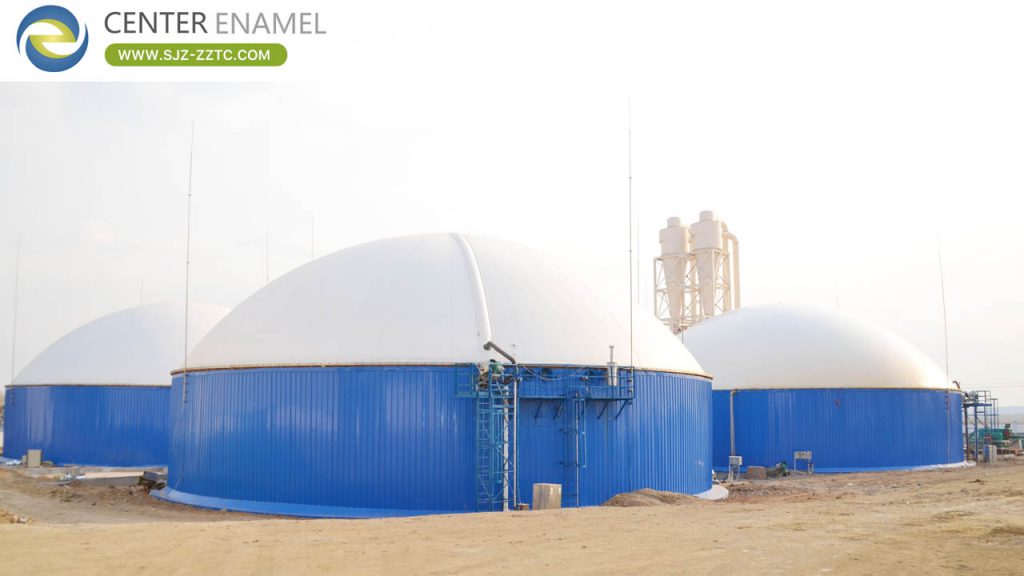
The Core Mechanism: Anaerobic Digestion of Wastewater Sludge and Effluents
The creation of biogas relies on anaerobic digestion (AD), a biological process where specialized microbial consortia break down organic matter in an oxygen-free environment.
When applied to primary and secondary wastewater sludge or high-strength industrial effluent (such as food processing, fermentation, and palm oil wastewater), the digestion process unfolds across four biological phases:
- Hydrolysis: Extracellular enzymes liquefy complex polymers (proteins, lipids, and carbohydrates) into soluble monomers.
- Acidogenesis: Acid-forming bacteria convert monomers into volatile fatty acids (VFAs), alcohols, and carbon dioxide.
- Acetogenesis: Acetogenic bacteria transform VFAs into acetic acid, hydrogen, and carbon dioxide.
- Methanogenesis: Strict anaerobic methanogenic archaea consume these intermediates to produce biogas, a combustible mixture composed primarily of methane (CH4) and carbon dioxide (CO2).
Comparative Data Table: Conventional WWTPs vs. Energy-Positive Biogas Plants
| Operational Parameter | Conventional Wastewater Treatment | Energy-Positive Biogas Wastewater Facility |
| Primary Objective | Compliance with water discharge standards | Pollution treatment + renewable energy generation |
| Energy Profile | Net energy consumer (high aeration electricity demand) | Net energy producer via combined heat and power (CHP) |
| Sludge & Waste Management | Cost-heavy disposal of untreated or stabilized solids | Volume reduction, odor control, and biogas yield |
| Environmental Impact | Potential fugitive methane releases from open ponds | 100% enclosed capture, neutralizing greenhouse gas leaks |
| Resource Circularity | Linear model (Water treatment rightarrow Discharge) | Circular model (Water reuse + Green electricity + Heat + Fertilizer) |
Utilization and Upgrading Pathways for Wastewater Biogas
Once captured from anaerobic reactors or sludge digesters, raw biogas can be harnessed in several high-efficiency applications:
- Combined Heat and Power (CHP / Cogeneration): Biogas is combusted in gas engines to generate electricity to run plant operations while capturing waste thermal heat to maintain optimal digester temperatures.
- Biomethane / Renewable Natural Gas (RNG): By passing raw biogas through upgrading systems (removing carbon dioxide, moisture, and hydrogen sulfide traces), operators produce high-purity biomethane (>95% methane content). This RNG can be injected directly into municipal gas grids or compressed for green public transportation fleets.
- Boiler and Thermal Fuel: Raw or minimally treated biogas serves as an direct energy replacement for natural gas or coal in factory boilers, drastically reducing industrial carbon footprints.
Frequently Asked Questions (FAQ)
Q1: How is biogas produced during wastewater treatment?
A: Biogas is produced through anaerobic digestion, where microorganisms break down organic compounds present in municipal sewage sludge or high-strength industrial wastewater in the absence of oxygen, yielding a methane-rich gas mixture.
Q2: Can wastewater treatment plants become completely energy self-sufficient?
A: Yes. Through advanced high-rate anaerobic digestion, energy-efficient equipment, and co-digestion of external organic waste (such as food scraps), modern wastewater treatment plants can generate more electricity and heat than they consume, achieving net-positive energy status.
Q3: What is the difference between raw biogas and biomethane?
A: Raw biogas typically consists of 50% to 70% methane alongside carbon dioxide, moisture, and trace impurities like hydrogen sulfide. Biomethane (or Renewable Natural Gas) is raw biogas that has been scrubbed and purified to over 95% methane content, making it identical in quality to fossil natural gas.