
Biogas Gas Pipes, Valves, and Accessories: Complete Engineering and Safety Guide
Transporting raw or upgraded biomethane safely and efficiently across an anaerobic digestion facility is a complex engineering challenge. Unlike standard natural gas, raw biogas is saturated with moisture, laden with corrosive hydrogen sulfide (H₂S), and typically operates under low pressure. Selecting the correct biogas gas pipe, valves, and accessories is vital to prevent pipeline blockages, mitigate explosive hazards, and ensure long-term plant reliability.
This comprehensive guide outlines the material specifications, valve selections, safety fittings, and layout best practices required for industrial biogas conveyance systems.
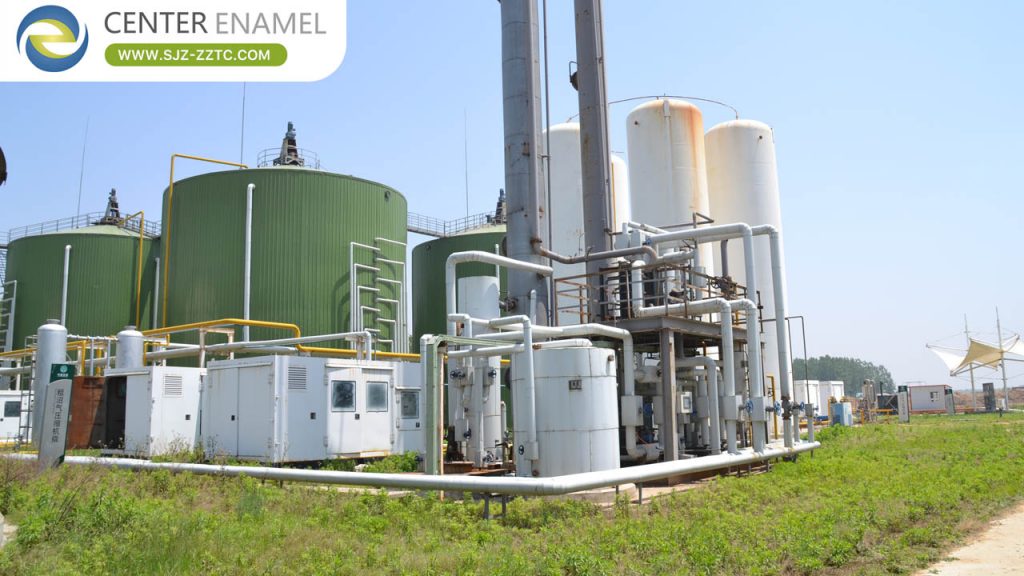
1. Biogas Gas Pipe Materials and Selection
Because raw biogas contains active moisture and acidic chemical traces, conventional unprotected carbon steel or standard iron piping will corrode rapidly. Piping materials must offer high chemical resistance and durability.
- High-Density Polyethylene (HDPE / PE100): Widely utilized for underground distribution and long runs. HDPE is completely immune to H₂S corrosion, highly flexible, cost-effective, and features seamless butt-fusion joints that eliminate gas leak risks.
- Stainless Steel (Grades 304 and 316): Ideal for above-ground piping, mechanical equipment rooms, and connection skids. Grade 316 stainless steel provides superior pitting resistance against aggressive condensate acids.
- Polyvinyl Chloride (PVC) and Chlorinated PVC (CPVC): Frequently used for low-pressure condensate drainage lines and auxiliary ventilation, though less common for high-pressure gas main runs due to impact limitations.
2. Essential Biogas Valves for Flow Control
Valves regulate the flow, pressure, and isolation of gas throughout the plant. Selecting specialized designs prevents sealing failures caused by condensate accumulation or biological fouling.
- Ball Valves: Designed with full-bore openings to minimize pressure drop. Stainless steel ball valves with PTFE (Teflon) seals provide reliable shut-off isolation across main gas headers.
- Gate and Butterfly Valves: Deployed on large-diameter trunk lines where quick manual or automated isolation of major reactor sections or gasholders is required.
- Check Valves (Non-Return Valves): Critical safety fittings installed between the digester and utilization units (such as Combined Heat and Power [CHP] engines or flares) to prevent the backflow of gas or flame migration.
- Solenoid and Pneumatic Control Valves: Integrated into automated safety interlocking systems to shut off gas supply instantly in the event of an emergency or emergency flare activation.
3. Critical Pipeline Accessories and Safety Devices
Biogas conveyance networks require specialized accessories to manage physical phase changes, condensation, and catastrophic explosion risks.
- Condensate (Water) Traps: Raw biogas cools as it travels through underground pipes, causing water vapor to condense. Automatic condensate traps installed at every low point in the pipeline drain this water without letting gas escape.
- Flame Arrestors: Safety devices packed with specialized crimped metal ribbon elements designed to quench and stop a flame front from traveling back through the pipe toward the gasholder or digester.
- Pressure and Vacuum Relief Valves: Protect structural tanks and double-membrane gasholders from overpressurization or implosion caused by rapid gas withdrawal.
- Gas Flow Meters and Pressure Regulators: Thermal mass flow meters and diaphragm-type regulators monitor volumetric output and maintain stable delivery pressure to downstream combustion equipment.
4. Engineering Best Practices for Biogas Pipeline Layout
- Downward Slope: All gas pipes must be installed with a continuous downward slope of at least 2% toward designated condensate drain points to prevent liquid pooling and blockages.
- Electrical Grounding and ATEX Compliance: Because biogas is flammable, all metallic pipes, valves, and equipment must be securely bonded and grounded to prevent static electricity discharge, complying with hazardous area (ATEX / NFPA) classifications.
Comparative Data Table: Biogas Piping and Accessory Specifications
| Component Category | Standard Material | Primary Functional Role | Critical Engineering Requirement |
| Main Gas Piping | HDPE (PE100) or SS 316 | Transports raw or upgraded biogas safely | Chemical resistance against H₂S and moisture |
| Isolation Valves | Stainless Steel 316 / PTFE | Shuts off gas flow for maintenance or emergency | Full-bore opening to minimize pressure drop |
| Check Valves | Brass / Stainless Steel | Prevents dangerous gas or flame backflow | Low opening pressure threshold |
| Condensate Traps | PVC / Stainless Steel | Automatically drains water vapor from gas lines | Installed at lowest pipeline elevation points |
| Flame Arrestors | Sintered metal / Crimped ribbon | Quenches and stops propagating flame fronts | Certified periodic inspection and cleaning |
Frequently Asked Questions (FAQ)
Q1: Why can standard carbon steel pipes not be used for raw biogas?
A: Raw biogas contains water vapor and corrosive hydrogen sulfide (H₂S). When combined, these elements form sulfurous and sulfuric acids that rapidly corrode standard carbon steel, leading to wall thinning, gas leaks, and structural failure.
Q2: What is the purpose of a condensate trap in a biogas gas line?
A: As warm raw biogas travels through piping, it cools and releases water vapor. Condensate traps collect and drain this liquid water at low points in the pipeline to prevent water blockages, pressure surges, and damage to downstream gas engines.
Q3: Where must flame arrestors be installed in a biogas plant?
A: Flame arrestors must be installed on gas supply lines leading directly to combustion units (like CHP engines and gas flares), as well as between storage gasholders and processing skids, to prevent a flashback from igniting the main storage vessels.