
How Does a Biogas Power Generation System Work? Process, Requirements, and Electricity Output
A biogas power generation system converts organic waste into renewable electricity through anaerobic digestion and gas combustion. Agricultural waste, livestock manure, food waste, sewage sludge, and other biodegradable materials can be used as feedstock.
During anaerobic digestion, microorganisms break down organic matter in an oxygen-free environment, producing biogas. This gas mainly contains methane (CH4) and carbon dioxide (CO2), along with small amounts of hydrogen sulfide, water vapor, and other impurities.
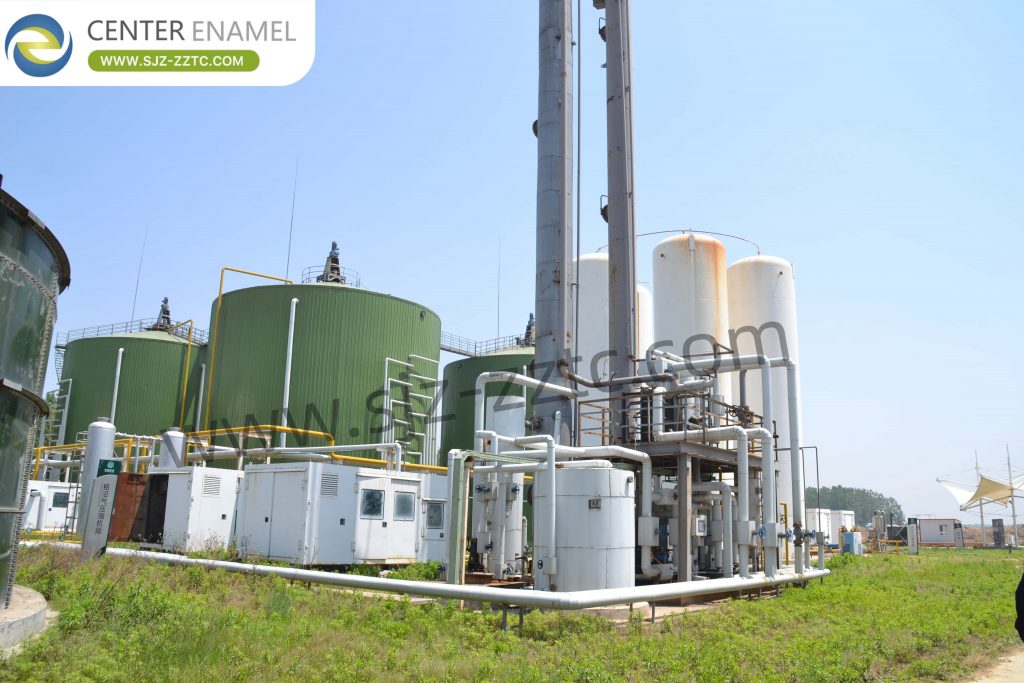
The methane in biogas is combustible and provides the energy needed to drive a generator. Before entering the generator, however, the gas must be stored, purified, and delivered at a suitable pressure.
A typical biogas power generation system consists of a gas holder, dehydration equipment, desulfurization equipment, a booster fan, a flowmeter, and a biogas generator. A boiler can also use biogas as a direct heat source.
Biogas Storage: The Gas Holder
The first stage after biogas production is storage in a gas holder.
Biogas production is not always consistent. Feedstock quantity, temperature, organic composition, and microbial activity can all affect gas output. A gas holder temporarily stores the produced gas and helps balance fluctuations between production and consumption.
It also helps maintain a relatively stable gas supply for downstream equipment.
Gas holders are commonly designed with flexible membranes or other gas-tight structures. Their capacity should be selected according to daily gas production, consumption patterns, and the required storage time.
Biogas Dehydration: Removing Moisture
Freshly produced biogas contains water vapor. As the gas cools, moisture may condense inside pipelines and equipment.
Excessive moisture can cause pipeline corrosion, damage valves, affect combustion stability, and interfere with gas treatment equipment.
The dehydration unit removes water vapor and condensate from the biogas. Depending on the system design, this may involve cooling, condensation, gas-water separators, or other drying technologies.
Effective dehydration protects the generator and improves the reliability of the entire system.
Biogas Desulfurization: Removing Hydrogen Sulfide
Hydrogen sulfide (H2S) is one of the most important impurities that must be controlled before biogas enters a generator.
It is toxic and corrosive. When burned, hydrogen sulfide can produce sulfur oxides, which contribute to corrosion and environmental pollution.
A desulfurization unit reduces H2S concentration to a level suitable for the downstream equipment.
Common desulfurization methods include iron-based media, activated carbon, biological desulfurization, and chemical treatment.
The required treatment level depends on the generator manufacturer's specifications, gas composition, and local emission requirements.
Booster Fan and Flowmeter: Stable Gas Delivery
After dehydration and desulfurization, the treated biogas passes through a booster fan.
The booster fan increases or regulates gas pressure to ensure that the generator receives a stable fuel supply. Appropriate gas pressure is essential because insufficient pressure may affect combustion, while excessive pressure can create operational risks.
Next, the biogas passes through a flowmeter.
The flowmeter measures the volume of gas delivered to the equipment. This information helps operators monitor consumption, evaluate system performance, calculate electricity production efficiency, and identify abnormal changes in gas supply.
Together, the booster fan and flowmeter help maintain stable and measurable fuel delivery.
Biogas Utilization: Electricity Generation and Boiler Heating
After gas purification and pressure adjustment, biogas can be distributed to different energy-consuming units.
Biogas generator: The purified gas enters the engine's combustion system. Methane burns with air inside the engine cylinders, creating high-pressure gas that drives the pistons. The engine rotates a connected alternator, which converts mechanical energy into electrical energy.
The generated electricity can supply farm equipment, industrial facilities, wastewater treatment plants, or other electrical loads.
Biogas boiler: Biogas can also be burned directly in a compatible boiler to produce hot water or steam. This heat can support industrial processes, digester heating, agricultural operations, or building heating.
Using both electricity and recovered heat is known as combined heat and power (CHP). It can improve overall energy utilization compared with generating electricity alone.
What Conditions Are Required for Biogas Power Generation?
Not every biogas production system is automatically suitable for electricity generation. Several conditions must be met.
1. Sufficient organic feedstock: A reliable supply of biodegradable materials is essential. Livestock manure, agricultural residues, food-processing waste, and sewage sludge are common choices.
2. Suitable anaerobic digestion conditions: Anaerobic microorganisms need an oxygen-free environment, appropriate temperature, stable pH, and sufficient retention time. Mesophilic digestion generally operates around 35–40°C, while thermophilic digestion typically operates around 50–55°C.
3. Adequate methane concentration: Biogas commonly contains approximately 50–70% methane. Higher methane concentrations generally provide more energy per cubic meter of gas.
4. Proper gas purification: Moisture and hydrogen sulfide must be controlled. Other impurities, such as siloxanes, may also require removal depending on the feedstock and generator specifications.
5. Stable gas pressure and flow: The generator must receive gas within its specified pressure and flow range.
6. Suitable equipment and safety systems: Gas storage, pipelines, pressure regulation, ventilation, gas leak detection, emergency shutoff, and electrical protection must be properly designed.
How Much Biogas Is Needed to Generate Electricity?
The electricity output depends on methane concentration, gas quality, generator efficiency, and operating conditions.
As a practical planning estimate, one cubic meter of biogas containing approximately 60% methane can generate around 2.0–2.2 kWh of electricity in an appropriately sized engine-generator system.
The following table provides illustrative estimates, assuming approximately 2.1 kWh of electricity per cubic meter of biogas.
| Daily Biogas Production | Estimated Daily Electricity | Average Continuous Power |
| 10 m³/day | 21 kWh | 0.88 kW |
| 50 m³/day | 105 kWh | 4.38 kW |
| 100 m³/day | 210 kWh | 8.75 kW |
| 200 m³/day | 420 kWh | 17.5 kW |
| 500 m³/day | 1,050 kWh | 43.75 kW |
| 1,000 m³/day | 2,100 kWh | 87.5 kW |
These figures are estimates rather than guaranteed outputs. Actual performance depends on methane content, generator efficiency, operating hours, and auxiliary electricity consumption.
For example, a generator operating continuously at 10 kW requires approximately 240 kWh of electricity per day. At an output of 2.1 kWh per cubic meter, it needs approximately 114 m³ of biogas per day, before allowing for additional system losses.
There is no universal minimum gas production requirement for biogas power generation. Small generators can operate with relatively low gas volumes, while larger installations require a more consistent and substantial supply. The generator's rated capacity and minimum operating requirements should always guide equipment selection.
How Does a Biogas Generator Work?
A biogas generator generally consists of an internal combustion engine connected to an electrical alternator.
Its working process can be divided into four steps:
Gas intake: Purified biogas enters the engine through the fuel supply system and mixes with air in the required proportion.
Combustion: The air-fuel mixture burns inside the engine cylinders, releasing energy from methane.
Mechanical movement: The expanding combustion gases push the pistons, turning the crankshaft and producing rotational mechanical energy.
Electricity production: The crankshaft drives the alternator. Electromagnetic induction converts mechanical rotation into electrical power.
The generated electricity can be used directly, stored through a suitable energy storage system, or connected to a power grid where permitted.
Generator performance depends on methane concentration, engine design, gas pressure, cooling conditions, and maintenance.
Digestate Treatment: Making Use of the Remaining Material
Biogas production does not end with gas generation. Anaerobic digestion also produces digestate, which can be separated into solid and liquid fractions.
Fibrous digestate: The solid fraction contains organic matter and nutrients. After appropriate treatment and quality testing, it can be used as an organic fertilizer or soil amendment.
Liquid digestate: The liquid fraction contains water and dissolved nutrients. Depending on its composition and local regulations, it may be treated and reused as liquid fertilizer or undergo further wastewater treatment.
Proper digestate management helps reduce waste, recycle nutrients, and improve the overall environmental and economic benefits of a biogas project.
Frequently Asked Questions
1. Can biogas be used directly in a generator?
Biogas can fuel a compatible biogas generator, but raw biogas should not automatically be supplied directly to the engine. Moisture and hydrogen sulfide usually need to be removed or reduced to the manufacturer's specified limits. Gas pressure and methane content must also meet operating requirements.
2. How many cubic meters of biogas are needed to generate 1 kWh of electricity?
As a general estimate, approximately 0.45–0.50 m³ of biogas is needed to generate 1 kWh of electricity when methane content is around 60% and the engine-generator has typical electrical efficiency. Actual consumption varies with gas quality and equipment performance.
3. Is biogas power generation suitable for farms and industrial facilities?
Yes. Biogas power generation can be suitable for livestock farms, food-processing plants, agricultural facilities, and wastewater treatment plants that produce sufficient biodegradable waste. A feasibility assessment should consider feedstock availability, daily gas production, electricity demand, investment costs, and local regulations.
Contact Us for a Biogas Power Generation Solution
Looking to convert livestock manure, agricultural waste, or industrial organic waste into reliable electricity? Contact our team to discuss your feedstock, expected biogas production, and project requirements.
We can help you evaluate biogas purification systems, generator capacity, and integrated energy solutions to find equipment that matches your actual operating conditions.