
Biogas Power Plant vs Wood-Fired Plant: Fuel, Process, and Output Compared
A biogas power plant converts wet organic waste into methane biologically, then burns the gas in an engine or turbine; a wood-fired plant burns dry solid biomass directly in a boiler to raise steam. Biogas suits wet wastes—manure, food waste, sludge—with 35–45% electrical efficiency in engines and near-zero sulfur, while wood suits dry lignocellulosic fuel at 20–35% via the steam cycle and needs extensive drying and handling.
Fuel and Conversion Differences
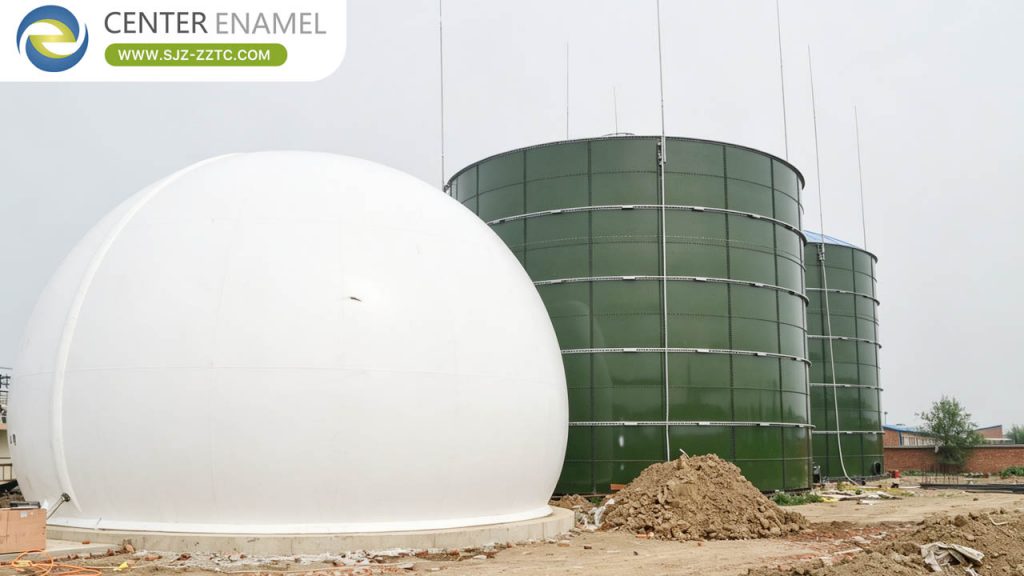
Biogas plants accept wet feedstock at 5–20% solids and convert it biologically in sealed digesters over 15–30 days, producing a clean gas that needs only H₂S and siloxane removal before an engine. Wood-fired plants require dry fuel (—25% moisture) delivered as chips or pellets, stored under cover, then combusted at 800–1,000°C to make steam. The biological route wins on wet waste; the thermal route wins on dry, bulky residues that would otherwise need disposal.
Comparative Data Table: Biogas vs Wood-Fired
| Aspect | Biogas Plant | Wood-Fired Plant |
| Fuel state | Wet (5–20% solids) | Dry (<25% moisture) |
| Conversion | Biological AD | Thermal combustion |
| Electrical eff. | 35–45% (engine) | 20–35% (steam) |
| Best feedstock | Manure, food, sludge | Wood, straw, residues |
Emissions, Cost, and Fit
Biogas engines emit very low SO₂ and particulates and are easier to permit, but any methane slip is potent (~28× CO₂). Wood plants emit more particulates and NOx and require baghouses and scrubbers, though fuel is often cheaper and more storable. Biogas suits farms, food processors, and wastewater sites with wet waste; wood suits forestry, sawmills, and regions with dry residue. Neither is universally cheaper—the local feedstock decides.
Frequently Asked Questions (FAQ)
Q1: Is biogas or wood better for power?
A: Neither universally. Biogas gives higher electrical efficiency (35–45% in engines) and suits wet waste such as manure and food waste; wood suits dry residues and offers cheaper, storable fuel but only 20–35% via the steam cycle. Local feedstock decides.
Q2: Which has lower emissions?
A: Biogas engines emit very low SO₂ and particulates and permit more easily, but methane slip matters (~28× CO₂). Wood plants emit more particulates and NOx, requiring baghouses and scrubbers. Both need careful control of their dominant pollutant.
Q3: Which is cheaper to run?
A: It depends on feedstock cost. Manure and food waste are often free or carry gate fees, favoring biogas; wood chips and pellets are purchased but storable. CAPEX and O&M also differ—engines versus boilers and steam plant.
Q4: Can one site use both?
A: Yes. Some facilities digest wet waste for biogas and separately burn dry residues for steam, or co-fire biogas in a biomass boiler. The combination raises overall fuel utilization and lets each stream use its best-fit conversion route.