
Biogas Production from Cassava Wastes: Turning Starch Residues into Clean Energy
Cassava is a vital root crop cultivated extensively across tropical and subtropical regions for food, animal feed, and industrial starch production. However, industrial processing and domestic preparation generate massive volumes of organic residues—including cassava peels, solid bagasse, pulp, and highly acidic processing wastewater (known as manipueira).
Unmanaged disposal of these starch-rich sub-products creates severe environmental hazards, including soil acidification, oxygen depletion in water bodies, and greenhouse gas emissions. Implementing industrial biogas production from cassava wastes transforms these pollutant streams into a high-value renewable energy source and nutrient-rich organic bio-fertilizer through controlled anaerobic digestion (AD).
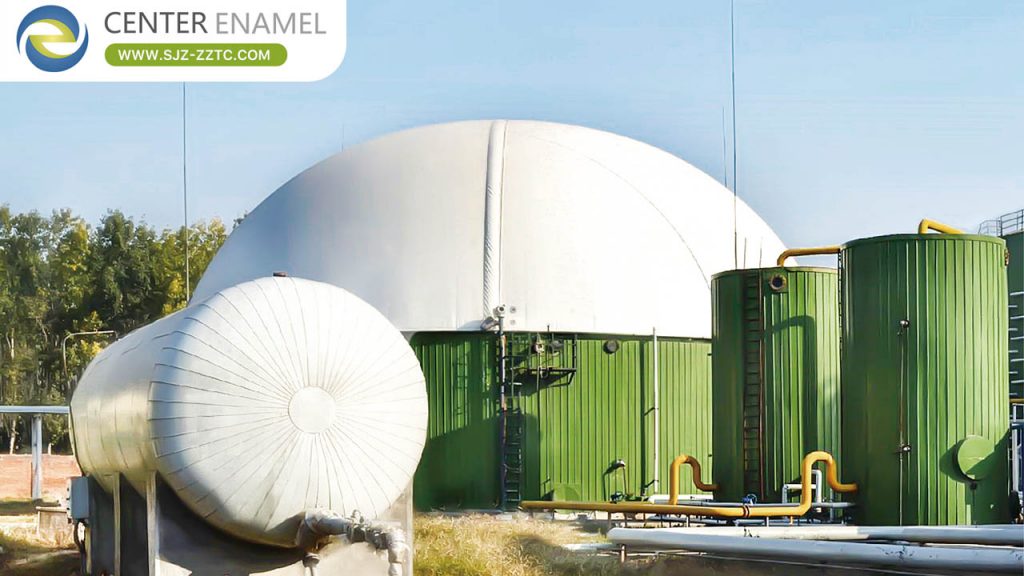
Understanding Cassava Waste Streams as Feedstocks
Cassava processing residues possess unique chemical characteristics that dictate how they must be managed within a biogas facility:
- High Starch and Carbohydrate Content: Cassava wastes are exceptionally rich in readily biodegradable starches and sugars. This gives them high energy density and excellent biochemical methane potential.
- Rapid Acidification Risk (Phase Imbalance): Because starches degrade extremely fast into volatile fatty acids (VFAs), single-feedstock anaerobic digestion of pure cassava waste frequently causes a rapid pH drop. Without adequate buffering, the reactor can "sour" and halt methane production.
- High Moisture and Liquid Effluents: Processing factories produce large volumes of starchy wastewater (manipueira) with high chemical oxygen demand (COD), which requires specialized liquid-state or multi-stage anaerobic treatment systems.
The Bioconversion Process: From Starch Waste to Methane
Converting cassava residues into clean energy requires a balanced, multi-stage anaerobic digestion pipeline:
- Collection and Homogenization: Solid peels and pulp are collected, cleaned of stones or sand, and macerated into a uniform slurry. Wastewater streams are pooled in equalization tanks to stabilize flow rates and organic loads.
- Pre-Treatment and pH Adjustment: To prevent early-stage acidification caused by rapid starch breakdown, buffering agents (such as sodium carbonate or recycled digestate) or nutrient activators (like yeast or livestock manure) are added to stabilize alkalinity.
- Anaerobic Digestion (Four Biological Stages): The conditioned slurry is pumped into closed bioreactors where specialized microorganisms execute hydrolysis, acidogenesis, acetogenesis, and methanogenesis, converting complex starches into raw biogas containing roughly 50% to 65% methane.
- Biogas Upgrading and Residue Valorization: Raw biogas is desulfurized and dried before being fed into Combined Heat and Power (CHP) engines or upgraded into compressed biomethane. Meanwhile, the post-digestion slurry is separated into solid and liquid organic fertilizers.
Comparative Data Table: Cassava Waste Substrates
| Cassava Waste Stream | Physical State | Primary Characteristic | Methane Potential & Operational Consideration |
| Cassava Peels | Solid / Fibrous | High organic solid content; trace cyanogenic compounds | Moderate to high biogas yield; requires size reduction and co-digestion. |
| Bagasse & Pulp | Semi-solid starch residue | Dense fibrous starch matrix | Excellent energy density; fast degradation speed requiring pH buffering. |
| Processing Wastewater (Manipueira) | Liquid effluent | Extremely high Chemical Oxygen Demand (COD) | Rapid acidification risk; best treated via high-rate anaerobic reactors (e.g., UASB). |
| Co-Digested Blend (Peels + Manure) | Fluid slurry | Balanced Carbon-to-Nitrogen ratio | Neutralizes pH drops, prevents souring, and optimizes stable gas output. |
Frequently Asked Questions (FAQ)
Q1: Why does pure cassava waste cause anaerobic digesters to fail or "sour"?
A: Cassava wastes are exceptionally rich in starch, which breaks down rapidly into volatile fatty acids during the initial digestion stages. If acid-consuming methanogenic bacteria cannot keep pace, the pH drops steeply, causing the biological process to stall. This is typically managed by adding alkaline buffers or co-digesting cassava with nitrogen-buffered manures.
Q2: How is liquid cassava wastewater (manipueira) handled in biogas plants?
A: Cassava processing wastewater has a very high chemical oxygen demand and can cause severe environmental pollution if discharged raw. It is typically processed using high-rate anaerobic liquid systems, such as Upflow Anaerobic Sludge Blanket (UASB) reactors, which efficiently degrade dissolved starches into biogas.
Q3: What are the primary economic and environmental benefits of cassava waste biogas production?
A: Valorizing cassava waste eliminates local environmental pollution from open rotting and toxic wastewater runoff. It provides agro-industrial processing plants with on-site renewable energy (electricity and heat) and yields high-grade organic bio-fertilizer that can be returned to cassava plantations to reduce synthetic fertilizer costs.