
Biogas Production from Municipal Sewage Sludge: Process, Principles, and Benefits
Municipal wastewater treatment plants generate large quantities of sewage sludge during the treatment of domestic and industrial wastewater. Traditionally, this sludge requires further treatment and disposal to reduce its environmental impact. However, sewage sludge is not simply waste. It contains organic substances that can be converted into renewable energy through anaerobic digestion.
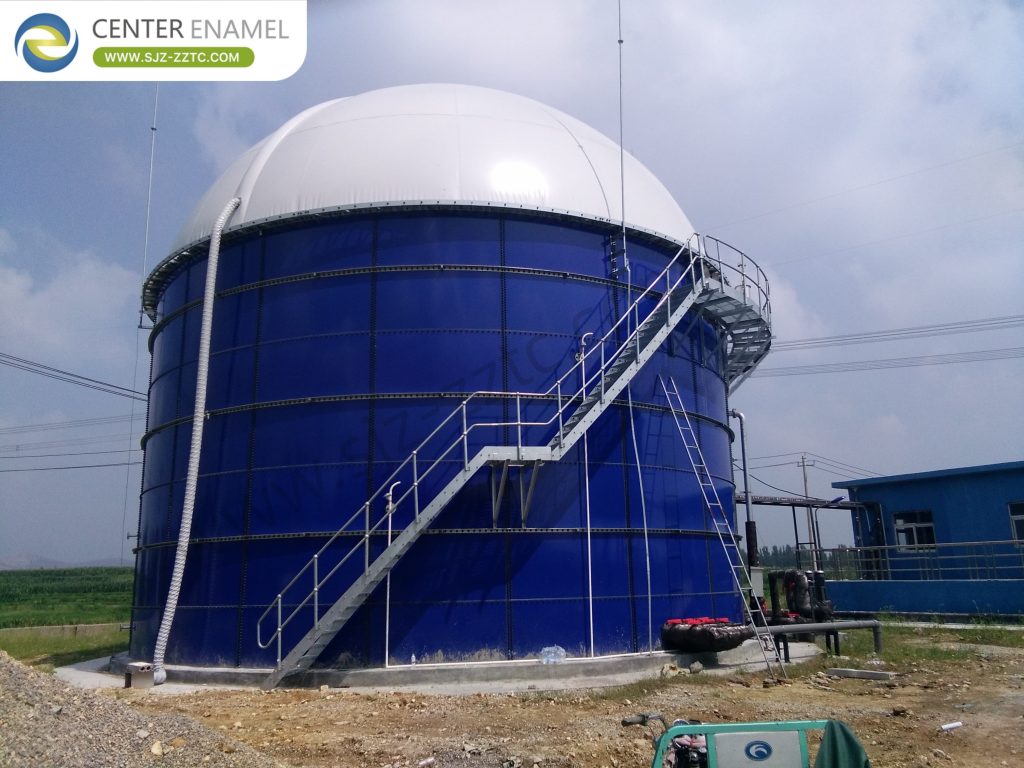
Biogas production from municipal sewage sludge is an effective waste-to-energy technology that transforms organic matter into methane-rich biogas using microorganisms in an oxygen-free environment.
But why can municipal sewage sludge produce biogas? The main reason is that it contains biodegradable organic compounds that provide microorganisms with the nutrients and carbon sources needed for methane production.
By recovering biogas from sewage sludge, wastewater treatment plants can reduce sludge volume, generate renewable energy, and improve their overall resource utilization.
1. What Is Municipal Sewage Sludge?
Municipal sewage sludge is a semi-solid material separated from wastewater during physical, biological, and chemical treatment processes.
It mainly comes from two treatment stages:
Primary sludge: Settled solids collected from primary sedimentation tanks. It contains organic particles, suspended solids, and other materials.
Secondary sludge: Also called waste activated sludge, it is generated during biological wastewater treatment and contains microorganisms and biodegradable organic matter.
The composition of sewage sludge varies depending on wastewater sources and treatment processes.
Common components include carbohydrates, proteins, fats, microbial biomass, and other organic substances.
These organic materials make sewage sludge a suitable feedstock for anaerobic digestion.
2. Why Can Municipal Sewage Sludge Produce Biogas?
The ability of municipal sewage sludge to produce biogas comes from its organic content.
During wastewater treatment, organic pollutants are collected and concentrated in the sludge. These substances contain carbon and hydrogen, which can be converted into methane through microbial activity.
There are three main reasons why sewage sludge can produce biogas.
2.1 Rich in Biodegradable Organic Matter
Municipal sewage sludge contains various organic compounds, including proteins, carbohydrates, and lipids.
Anaerobic microorganisms can break down these substances into smaller molecules and eventually convert them into methane and carbon dioxide.
The higher the biodegradable organic content, the greater the potential for biogas production, provided that digestion conditions are suitable.
2.2 Contains Active Microorganisms
Sewage sludge contains large populations of microorganisms, particularly in biologically treated sludge.
Under suitable anaerobic conditions, specialized microbial communities can participate in organic matter degradation and methane production.
These microorganisms work together to convert complex organic substances into simpler compounds that methanogenic microorganisms can utilize.
2.3 Provides Suitable Nutrients for Microbial Growth
Besides carbon sources, sewage sludge contains nutrients such as nitrogen, phosphorus, and trace elements.
These nutrients support microbial growth and help maintain the biological activity required for anaerobic digestion.
However, excessive ammonia, sulfide, or certain toxic substances may inhibit the digestion process.
3. How Does Biogas Production from Municipal Sewage Sludge Work?
Anaerobic digestion is the main technology used to produce biogas from municipal sewage sludge.
The process takes place inside an enclosed digester without oxygen and generally involves four biological stages.
Stage 1: Hydrolysis
During hydrolysis, complex organic materials such as proteins, carbohydrates, and fats are broken down into smaller molecules.
The resulting products include amino acids, simple sugars, and fatty acids.
This step makes organic matter easier for microorganisms to consume.
Stage 2: Acidogenesis
Acid-producing bacteria convert these smaller molecules into volatile fatty acids, alcohols, hydrogen, and carbon dioxide.
These substances become intermediate products for subsequent digestion stages.
Stage 3: Acetogenesis
During acetogenesis, microorganisms convert organic acids and other intermediate compounds into acetate, hydrogen, and carbon dioxide.
These compounds are essential substrates for methane production.
Stage 4: Methanogenesis
Methanogenic microorganisms convert acetate, hydrogen, and carbon dioxide into methane.
The resulting biogas mainly consists of methane and carbon dioxide, together with small amounts of other gases.
The biogas can then be collected, treated, and utilized as a renewable energy source.
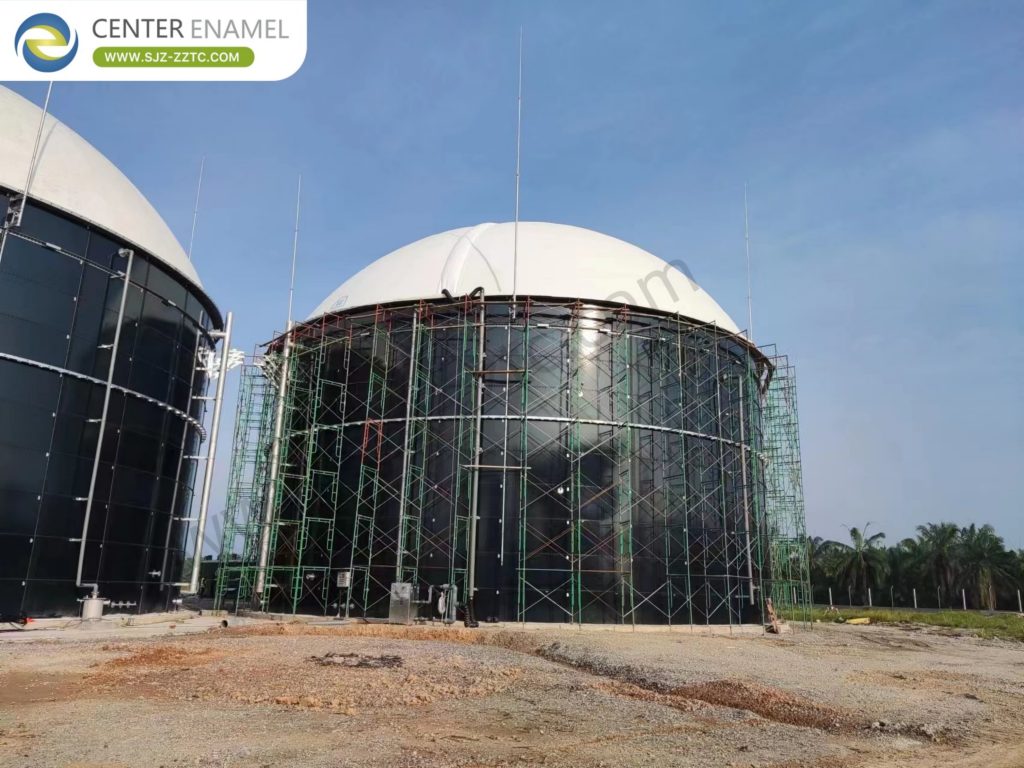
4. What Is the Typical Composition of Biogas from Sewage Sludge?
Biogas composition depends on sludge characteristics, digester conditions, temperature, and treatment efficiency.
A typical composition is shown below.
| Gas Component | Typical Proportion | Main Function or Characteristic |
| Methane (CH₄) | 55–70% | Main combustible component |
| Carbon Dioxide (CO₂) | 30–45% | Non-combustible component |
| Hydrogen Sulfide (H₂S) | Trace amounts to variable levels | Corrosive and toxic impurity |
| Water Vapor | Variable | Depends on gas temperature and moisture |
| Other Gases | Small amounts | May include nitrogen and hydrogen |
Methane is the most valuable component because it provides the energy needed for biogas utilization.
After removing impurities such as hydrogen sulfide and excess moisture, biogas can be used in boilers, gas engines, and combined heat and power (CHP) systems.
5. What Factors Affect Biogas Production from Sewage Sludge?
Although municipal sewage sludge has good biogas production potential, actual methane yield depends on several operating conditions.
Temperature: Anaerobic digestion commonly operates under mesophilic conditions at approximately 35–38°C or thermophilic conditions around 50–55°C.
pH Level: A pH range of approximately 6.8–7.5 is generally suitable for stable methane production.
Organic Loading Rate (OLR): Excessive organic loading may cause volatile fatty acid accumulation and inhibit methanogenic microorganisms.
Hydraulic Retention Time (HRT): Sufficient retention time allows microorganisms to break down organic matter effectively.
Sludge Characteristics: The proportion of primary sludge, secondary sludge, and biodegradable organic matter affects methane production potential.
Mixing Efficiency: Proper mixing improves contact between microorganisms and organic substrates while helping maintain stable digester conditions.
6. Benefits of Biogas Production from Municipal Sewage Sludge
Converting sewage sludge into biogas provides environmental and economic benefits for wastewater treatment plants.
6.1 Reduces Sludge Volume
Anaerobic digestion breaks down part of the organic matter in sewage sludge, reducing the amount of residual solids that require further treatment and disposal.
6.2 Generates Renewable Energy
Methane-rich biogas can be used to generate electricity and heat.
Wastewater treatment plants can use this energy to support pumps, aeration systems, heating equipment, and other facility operations.
6.3 Reduces Greenhouse Gas Emissions
Capturing biogas in enclosed digesters helps prevent methane generated during uncontrolled anaerobic decomposition from escaping directly into the atmosphere.
Proper gas collection, storage, and utilization are essential to maximizing this environmental benefit.
6.4 Improves Resource Recovery
Sewage sludge is transformed from a disposal challenge into a resource for energy recovery.
This approach supports circular economy principles and improves the overall sustainability of municipal wastewater treatment.
Conclusion
Biogas production from municipal sewage sludge is possible because sewage sludge contains biodegradable organic compounds, active microorganisms, and nutrients that support anaerobic digestion.
Through hydrolysis, acidogenesis, acetogenesis, and methanogenesis, organic matter is converted into methane-rich biogas.
With suitable digester design and operating conditions, wastewater treatment plants can recover renewable energy, reduce sludge volume, and improve environmental performance.
Therefore, municipal sewage sludge should not be viewed only as a waste product. It can also serve as a valuable resource for sustainable energy recovery and modern wastewater management.
Frequently Asked Questions (FAQs)
1. Why can municipal sewage sludge produce biogas?
Municipal sewage sludge contains biodegradable organic matter, including proteins, carbohydrates, fats, and microbial biomass. Anaerobic microorganisms break down these compounds without oxygen and produce methane and carbon dioxide.
2. How much biogas can be produced from municipal sewage sludge?
Biogas yield depends on sludge composition, volatile solids content, organic loading rate, digestion temperature, and retention time. Primary sludge generally has higher methane production potential than waste activated sludge. Actual production should be determined through laboratory tests or operational data.
3. How is biogas from sewage sludge used?
Biogas from sewage sludge can be used as fuel for boilers, gas engines, and combined heat and power systems. After additional purification and upgrading, it can also be converted into biomethane for suitable applications.