
Building a Sustainable Future: Shijiazhuang Zhengzhong Technology Co., Ltd. as Your Premier Biogas Project EPC Contractor
The global transition toward renewable energy and circular economies has elevated biogas technology to a critical pillar of modern waste-to-energy infrastructure. Designing, procuring, and constructing a high-performing biogas plant requires deep technical expertise, rigorous engineering standards, and flawless project execution.
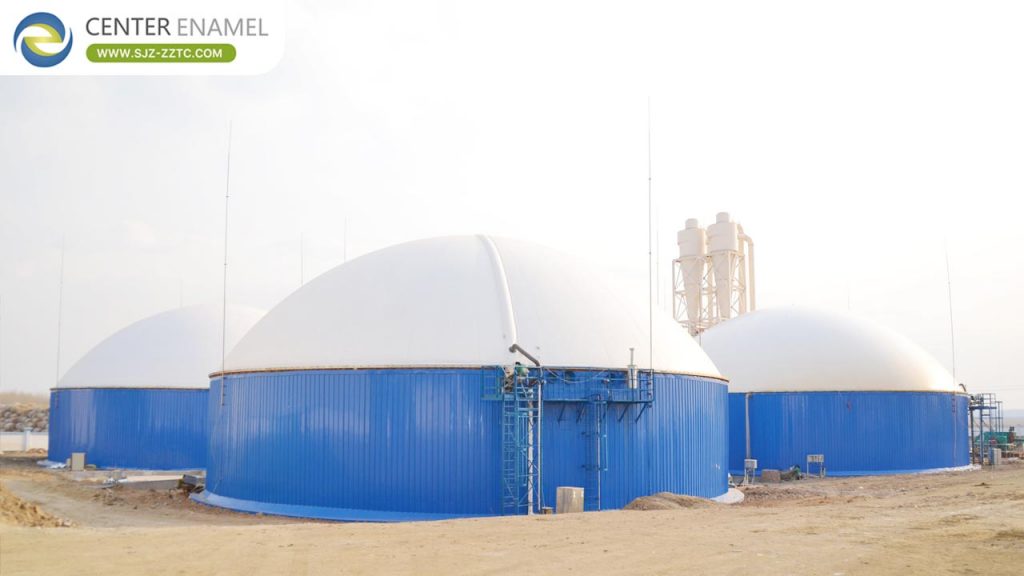
Shijiazhuang Zhengzhong Technology Co., Ltd. (globally recognized as Center Enamel) has established itself as the premier Engineering, Procurement, and Construction (EPC) contractor for biogas and industrial wastewater treatment projects worldwide. Combining over 30 years of industry experience with proprietary manufacturing excellence, Center Enamel delivers comprehensive, turnkey bioenergy solutions from concept to completion.
The Advantage of a Turnkey Biogas EPC Approach
Executing a complex anaerobic digestion or agricultural waste-to-energy facility involves coordinating multiple moving parts—from regulatory compliance and engineering layout to equipment fabrication and civil construction. As a full-service EPC contractor, Shijiazhuang Zhengzhong Technology Co., Ltd. streamlines this entire lifecycle:
- Feasibility & Engineering Design: Tailoring systemic engineering layouts, process optimization, and structural calculations to match specific feedstock types (agricultural waste, municipal organic waste, and industrial effluents).
- Procurement & Manufacturing: Utilizing state-of-the-art in-house manufacturing lines to produce high-durability containment systems and specialized equipment.
- Construction & Commissioning: Deploying skilled project managers and technicians to supervise on-site construction, ensuring strict adherence to global safety and environmental parameters.
- Lifecycle Support & Maintenance: Providing ongoing technical assistance, troubleshooting, and preventive maintenance to secure maximum plant uptime.
Core Technologies Powering Center Enamel's Projects
The structural and operational backbone of any successful biogas or wastewater facility is its containment system. Center Enamel leads the market through cutting-edge material science and structural engineering.
- Glass-Fused-to-Steel (GFS) Tanks: Engineered by fusing a high-strength inorganic glass coating to high-grade steel sheets at high temperatures (820°C to 930°C), this material merges the strength of steel with the superior corrosion resistance of glass, making it ideal for harsh anaerobic digester environments.
- Advanced SBR and Biological Systems: Designed for optimal pollutant degradation, ensuring high-strength wastewater meets strict environmental discharge standards.
Global Project References & Case Studies
1. Malaysia Biogas Project
Designed to tackle high-strength organic effluent and convert it into clean, renewable energy, this landmark project relies on robust Glass-Fused-to-Steel (GFS) containment infrastructure.
- Design Inlet & Effluent Water Quality:
- Inlet COD < 60,000 mg/L, BOD < 25,000 mg/L;
- Effluent target COD < 12,000 mg/L, BOD < 5,000 mg/L.
- Effective Volume & Digestibility: Single GFS tank capacity of 5,400 m³ (Ø24.46 x 12m). Total effective volume across 5 tanks is 27,000 m³ with a digestibility rate of approximately 80%.
- Gas Production Metrics: Single tank daily output is about 4,400 m³; total daily output from 5 tanks reaches approximately 22,000 m³. The gas production rate yields approximately 0.45 m³ of biogas per kilogram of COD removed.
2. Sri Lanka Palm Oil Wastewater Treatment Project
Addressing the environmental challenges of Palm Oil Mill Effluent (POME), this high-capacity biological treatment facility utilizes an advanced Sequencing Batch Reactor (SBR) configuration.
- Project Parameters: Implemented in 2026 in Sri Lanka with a daily treatment volume of 250 tonnes/day using an SBR treatment process across two reactors (Ø24.46 x 6m).
- Wastewater Inlet vs. Discharge Standards:
- Inlet: COD 65,600 mg O₂/L, BOD 7,480 mg O₂/L, TSS 14,425 mg/L.
- Discharge Standard: COD < 400 mg O₂/L, BOD < 250 mg O₂/L, pH 6.5 to 8.5.
Comprehensive Project & Technical Data Table
| Project Name | Location | Core Technology / Process | Scale & Dimensions | Key Performance Indicators |
| Malaysia Biogas Project | Malaysia | Anaerobic Digestion / GFS Tanks | 5 Tanks, Total Volume: 27,000 m³ (Ø24.46 x 12m each) | Daily Biogas Output: ~22,000 m³; Digestibility: ~80% |
| Sri Lanka Palm Oil Project | Sri Lanka | Sequencing Batch Reactor (SBR) | 2 Reactors (Ø24.46 x 6m) | Treatment Capacity: 250 tonnes/day; COD reduction to $\le$ 400 mg O₂/L |
Frequently Asked Questions (FAQ)
Q1: What services does Shijiazhuang Zhengzhong Technology Co., Ltd. provide as an EPC contractor?
A: They provide full turnkey solutions encompassing initial feasibility studies, process engineering design, in-house equipment manufacturing, on-site construction management, system commissioning, and lifelong technical support.
Q2: What are the main specifications of the Malaysia Biogas Project?
A: The project utilizes 5 GFS tanks with an individual capacity of 5,400 m³ (Ø24.46 x 12m), providing a total volume of 27,000 m³ and a total daily biogas output of approximately 22,000 m³.
Q3: What treatment process is utilized in the Sri Lanka Palm Oil Wastewater Project?
A: It utilizes a Sequencing Batch Reactor (SBR) process housed within two large-scale reactors (Ø24.46 x 6m) to treat 250 tonnes of high-strength wastewater daily.
Q4: Why are GFS tanks preferred for anaerobic digestion and biogas plants?
A: GFS tanks combine the high tensile strength of steel with the exceptional corrosion and acid resistance of glass, ensuring a long operational service life exceeding 30 years with minimal maintenance in corrosive biogas environments.