
Biogas Project Technology Solutions: Process, Upgrading, and Energy Conversion
A bankable biogas project technology solution is an integrated stack, not a collection of parts: pre-treatment, digestion, gas handling, cleaning, utilization, and controls must be engineered as one system. Component mismatch — an oversized engine, an undersized gas holder, or a cleaning train designed for the wrong contaminant profile — causes 60–80% of avoidable plant downtime.
The technology choices cascade from the utilization endpoint. A CHP project requires H2S and moisture removal to protect the engine; a biomethane project adds CO2 removal with methane-loss control; a bio-CNG project adds compression and dispensing. Choosing the endpoint first prevents expensive re-engineering later.
This guide maps the biogas technology stack layer by layer, compares the major options in each layer, and explains how to assemble a coherent, vendor-independent solution — the difference between a plant that runs and a plant that runs reliably for 20 years.
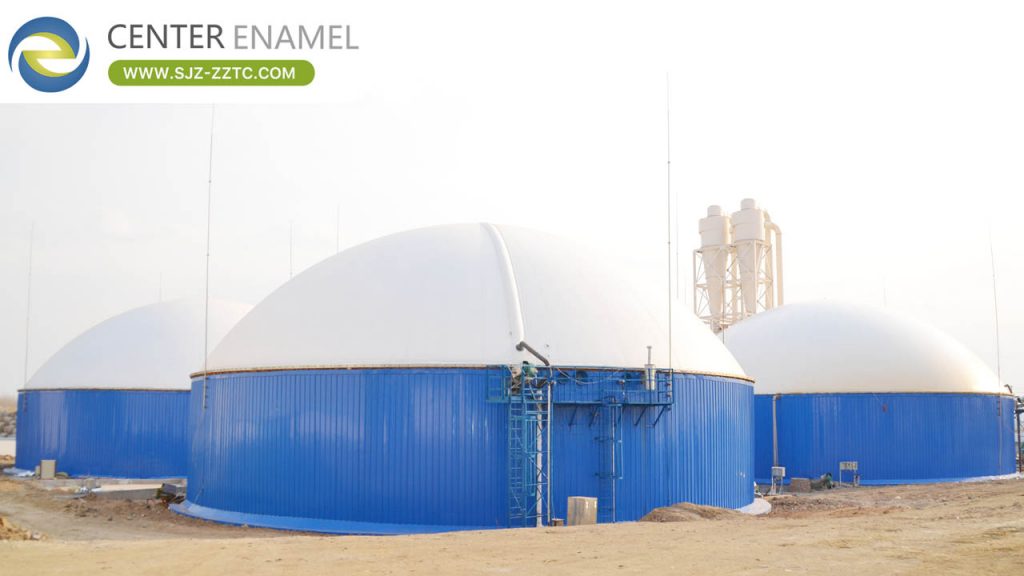
The Technology Stack: From Feedstock to Final Energy Product
Layer 1 — Pre-treatment: maceration, pasteurization, and separation protect the biology and downstream equipment. Layer 2 — Digestion: CSTR, plug-flow, or dry digesters matched to feedstock solids. Layer 3 — Gas handling: gas holders (double-membrane, floating), condensate removal, and flare for safety. Layer 4 — Cleaning: H2S removal (biological, iron dosing, activated carbon) and drying. Layer 5 — Utilization: CHP engines, boilers, or upgrading.
Modern solutions add a digital layer: SCADA control, online gas analysis (CH4, CO2, H2S, O2), and predictive maintenance that lifts availability from 85% to 95%+. Instrumentation quality is a top cause of operational headaches — cutting cost here is false economy in a 20-year asset.
The vendor landscape splits into equipment suppliers (digester builders, engine OEMs, upgrading specialists) and turnkey EPC contractors who integrate them. Bankable projects demand a single integration warranty, clear performance guarantees (gas yield, engine efficiency, methane purity), and defined interfaces between packages.
Comparative Data Table: Biogas Upgrading Technology Options
| Technology | Methane Purity (%) | Methane Loss (%) | Energy Demand | CAPEX Indicator | Best Fit |
| Water Scrubbing | 96–98 | 1–2 | Medium | Low–Medium | Simple operation, low CO2 content |
| Pressure Swing Adsorption (PSA) | 96–98 | 2–4 | Medium | Medium | Mid-size plants, dry operation |
| Membrane Separation | 96–99 | 0.5–2 | Low–Medium | Medium | Compact footprint, high CH4 content |
| Chemical (Amine) Scrubbing | 99+≨ | 0.1–0.5 | High | High | Pipeline-grade purity, high CO2 feed |
| Cryogenic | 99+≨ | <0.1 | High | Very High | Liquid CO2 co-product, large scale |
Upgrading choice follows project scale and gas purity target. Water scrubbing dominates small-to-mid plants for simplicity; membranes win on compactness and low loss; amine and cryogenic systems serve pipeline-grade biomethane with CO2 co-product value. Capital cost ranges from roughly $0.5–1.5 million per 500 m³/h of raw gas across the range.
Energy Conversion: CHP Selection and Heat Utilization
Biogas CHP engines run at 35–42% electrical efficiency with 40–50% recoverable heat, giving 85–90% total efficiency. Gas engines dominate the 100 kW–3 MW range; microturbines suit small or niche applications; fuel cells remain demonstration-stage. Engine selection must match gas quality and load profile — a 90%+ load factor is the key to payback.
Heat utilization is where projects leave money on the table. Digester heating consumes 15–25% of thermal output; the surplus can supply district heating, greenhouses, drying, or industrial processes. Projects that monetize surplus heat improve IRR by 2–4 percentage points — often the difference between marginal and bankable.
Maintenance economics decide long-term viability: biogas engines require oil changes every 800–1,500 hours, major overhauls at 20,000–40,000 hours, and service contracts of $15–25 per MWh. Specifying a proven engine platform with local service coverage is as strategic as choosing the digester itself.
Frequently Asked Questions (FAQ)
Q1: What technologies are needed for a biogas project?
A: The core stack is pre-treatment, digestion (CSTR, plug-flow, or dry), gas storage and cleaning (H2S and moisture removal), and utilization (CHP, boiler, or upgrading). Controls and online gas analysis are essential for reliable operation. Each layer must be sized and specified as one integrated system.
Q2: How do you choose a biogas upgrading technology?
A: Match the technology to scale, gas composition, and target purity. Water scrubbing suits small-mid plants at 96–98% purity; membranes offer compact low-loss upgrading; amine and cryogenic systems deliver 99%+ pipeline grade with CO2 co-product. Compare methane loss, energy demand, and CAPEX against project size.
Q3: What is a turnkey biogas solution?
A: A turnkey solution is a single-contract delivery where one EPC contractor engineers, supplies, installs, and commissions the whole plant. It provides one integration warranty, defined performance guarantees, and clear interfaces between packages — reducing the coordination risk of multi-vendor projects.
Q4: Which CHP engine is best for biogas?
A: Gas engines in the 100 kW–3 MW range are the proven standard, achieving 35–42% electrical efficiency. Choose a platform with local service coverage, realistic maintenance intervals (overhaul at 20,000–40,000 hours), and documented performance on your gas quality. Microturbines suit small or niche sites.