
How Can Biogas Residue and Biogas Slurry Be Utilized for Sustainable Agriculture?
Biogas production is not only about generating renewable energy. The by-products of anaerobic digestion, including biogas residue and biogas slurry, also offer significant opportunities for resource recovery, agricultural development, and environmental protection. When properly treated and utilized, these materials can be transformed into valuable organic fertilizers, soil conditioners, and growing media.
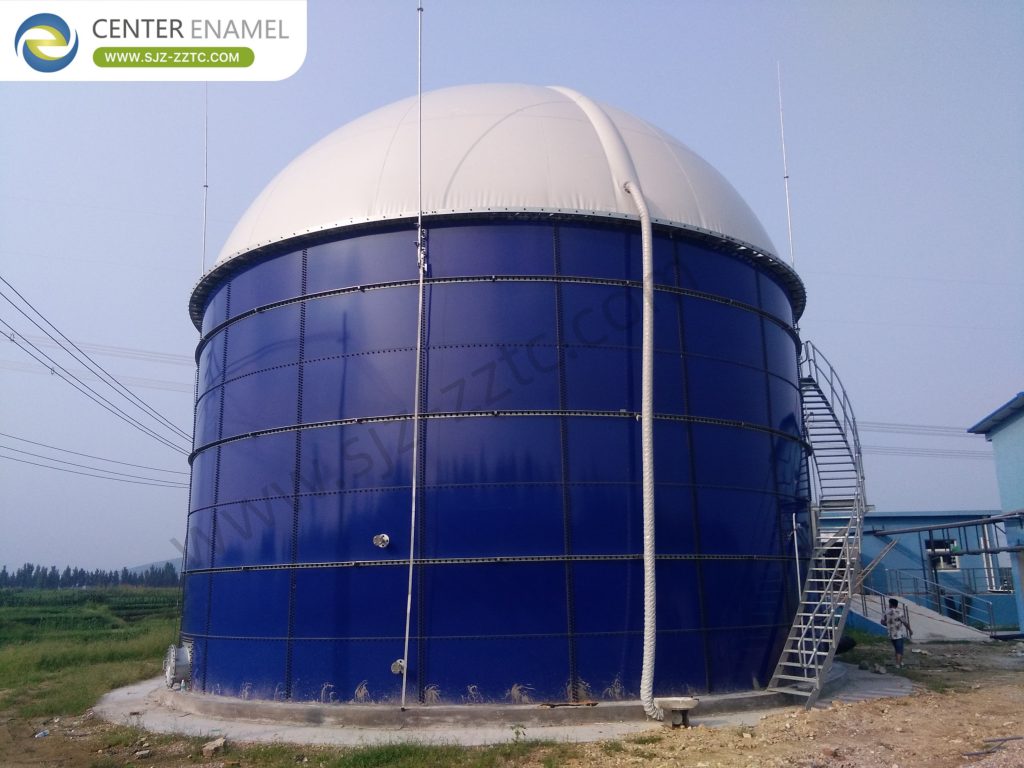
Understanding how to utilize the by-products of biogas production effectively helps biogas plant operators maximize resource efficiency, reduce waste, and improve the overall economic benefits of biogas projects.
How Are Biogas Residue and Biogas Slurry Produced?
Biogas residue and biogas slurry are generated during the anaerobic digestion process. Organic materials such as livestock manure, agricultural waste, food waste, and other biodegradable substances are fed into an anaerobic digester, where microorganisms break down organic matter in an oxygen-free environment.
During this process, organic matter is converted into biogas, primarily consisting of methane and carbon dioxide. After biogas production, the remaining digestate contains both solid and liquid fractions.
Through solid-liquid separation, the digestate can be divided into two main by-products:
Biogas slurry: The liquid fraction, containing dissolved nutrients, soluble organic matter, and certain beneficial microorganisms.
Biogas residue: The solid fraction, containing organic matter, nutrients, and fibrous materials that have not been completely decomposed.
Both materials can be further processed and applied in agriculture, horticulture, and other resource utilization industries.
Agricultural Applications of Biogas Slurry
Biogas slurry is a nutrient-containing liquid fertilizer that can support agricultural production when properly treated and applied.
Its main applications include:
Liquid fertilizer: Applied directly to agricultural land through irrigation or fertigation systems to supplement soil nutrients.
Foliar fertilizer: After appropriate filtration and treatment, diluted biogas slurry can be sprayed onto plant leaves to provide supplementary nutrients.
Soil improvement: Helps return organic matter and nutrients to agricultural soil, supporting soil fertility and nutrient cycling.
Crop irrigation: Can be used in integrated irrigation and fertilization systems, reducing dependence on conventional chemical fertilizers.
The application rate should be determined according to nutrient concentration, crop requirements, soil conditions, and local agricultural regulations.
Biogas Slurry for Soil Improvement and Sustainable Farming
Beyond its role as a liquid fertilizer, biogas slurry contributes to sustainable soil management.
When applied at appropriate rates, it returns nutrients and organic compounds to the soil, helping maintain soil fertility and support beneficial soil microbial activity.
Its use can provide several agricultural benefits:
Replenishes nutrients such as nitrogen, phosphorus, and potassium.
Supports nutrient recycling within agricultural production systems.
Reduces reliance on some synthetic fertilizers.
Helps improve nutrient management and agricultural resource efficiency.
For farms with integrated livestock and crop production, biogas slurry provides an effective way to connect waste treatment with agricultural fertilization.
Applications of Biogas Residue in Organic Fertilizer Production
Biogas residue is rich in organic matter and contains nutrients that can be recovered for fertilizer production.
After appropriate treatment, it can be processed into organic fertilizer through several methods:
Direct soil application: Properly treated biogas residue can be applied to agricultural land as an organic soil amendment.
Aerobic composting: Mixing biogas residue with straw, agricultural waste, or other carbon-rich materials allows aerobic microorganisms to further decompose the organic matter. The resulting compost can be used as organic fertilizer.
Commercial organic fertilizer: After stabilization, quality control, and necessary processing, biogas residue can become a raw material for commercial organic fertilizer products.
These applications help convert the solid by-product of biogas production into valuable agricultural resources.
Biogas Residue as Growing Media and Soil Conditioner
In addition to fertilizer production, biogas residue has potential applications in horticulture and landscaping.
After proper treatment, screening, and quality adjustment, it can be used as a component of:
Nursery growing media.
Horticultural cultivation substrates.
Landscaping soil mixtures.
Soil conditioners for agricultural and green spaces.
Biogas residue can contribute organic matter and improve the physical properties of growing media. Depending on its characteristics, it may be blended with materials such as compost, coco coir, peat alternatives, or other substrates to achieve suitable aeration, drainage, and water retention.
Comparison Between Biogas Residue and Biogas Slurry
Although both materials come from the same anaerobic digestion process, their physical properties and applications are different.
| Comparison | Biogas Residue | Biogas Slurry |
| Physical form | Solid or semi-solid | Liquid |
| Main components | Organic matter, fibers, nutrients | Dissolved nutrients, soluble organic compounds |
| Main applications | Organic fertilizer, compost, growing media | Liquid fertilizer, fertigation, foliar application |
| Processing methods | Composting, drying, screening | Filtration, dilution, nutrient adjustment |
| Application methods | Soil incorporation, substrate blending | Irrigation, spraying, fertigation |
Choosing the right utilization method depends on the characteristics of the digestate, local agricultural conditions, and available processing equipment.
Environmental and Economic Benefits of By-product Utilization
Effective utilization of the by-products of biogas production delivers both environmental and economic advantages.
Environmental benefits:
Reduces the volume of waste requiring disposal.
Promotes nutrient recycling and circular agriculture.
Helps reduce nutrient losses when managed properly.
Supports more sustainable livestock manure and organic waste management.
Reduces dependence on conventional fertilizer resources.
Economic benefits:
Creates additional value from biogas plant outputs.
Reduces fertilizer procurement costs for agricultural operations.
Provides opportunities to manufacture and sell organic fertilizer.
Improves the overall resource utilization efficiency of biogas projects.
By integrating biogas production with digestate treatment and fertilizer utilization, operators can develop a more complete and sustainable waste-to-energy system.
Key Considerations for Safe and Effective Digestate Utilization
Although biogas residue and biogas slurry have valuable agricultural applications, proper management is essential to ensure environmental safety and product quality.
Several factors should be considered:
Nutrient analysis: Test nitrogen, phosphorus, potassium, and other relevant parameters before agricultural application.
Pathogen control: Ensure appropriate treatment to reduce potential pathogens.
Contaminant monitoring: Check for heavy metals, chemical residues, and other contaminants based on feedstock characteristics.
Application management: Avoid excessive application that may cause nutrient accumulation, groundwater pollution, or surface water contamination.
Storage and transportation: Use suitable storage facilities and transportation systems to prevent leakage, odor, and uncontrolled discharge.
Proper digestate management ensures that resource recovery does not create secondary environmental problems.
Center Enamel: Professional Biogas Solutions Provider
The efficient utilization of biogas residue and biogas slurry is an important part of developing a complete biogas project. From anaerobic digestion to biogas storage and digestate management, every stage contributes to overall project performance.
Center Enamel is a professional biogas solutions provider, offering advanced Glass-Fused-to-Steel (GFS) tanks and integrated storage solutions for biogas projects. Its bolted tank technology provides excellent corrosion resistance, durability, and convenient installation, making it suitable for various anaerobic digestion and biogas applications.
By supporting reliable biogas infrastructure, Center Enamel helps project developers build efficient waste-to-energy systems that promote renewable energy generation and sustainable resource utilization.
Frequently Asked Questions (FAQs)
1. What is the difference between biogas residue and biogas slurry?
Biogas residue is the solid fraction of anaerobic digestion digestate, while biogas slurry is the liquid fraction. Both contain recoverable nutrients and organic matter but are used in different agricultural applications.
2. Can biogas residue and biogas slurry be used directly as fertilizers?
They can be used in agriculture when their quality and safety meet applicable requirements. Nutrient analysis, pathogen control, contaminant monitoring, and appropriate application rates are essential before use.
3. How can biogas plant operators maximize the value of biogas by-products?
Operators can implement solid-liquid separation, composting, fertilizer production, and liquid fertilizer application systems. Integrating digestate treatment with agricultural operations helps improve resource efficiency and generate additional economic value.
Contact Center Enamel for Professional Biogas Solutions
Looking for reliable biogas infrastructure for your anaerobic digestion project? Contact Center Enamel to explore our professional Glass-Fused-to-Steel tank solutions.
Our experienced team is ready to support your biogas project with durable tank technology and customized solutions for efficient waste-to-energy development.