
Biogas Safety Measures: You Need to Know Everything
Biogas plants offer incredible value by converting organic wastes into clean renewable energy and bio-fertilizers through anaerobic digestion. However, because these facilities handle flammable gases (primarily methane, 50%–65%), toxic trace gases (like hydrogen sulfide), and low-pressure containment systems, operational safety is paramount.
Statistically, gas explosions and toxic releases account for the vast majority of historical facility incidents. Implementing robust biogas plant safety measures is not just about checking regulatory boxes—it is a vital operational framework to protect personnel, preserve structural integrity, and ensure uninterrupted plant productivity.
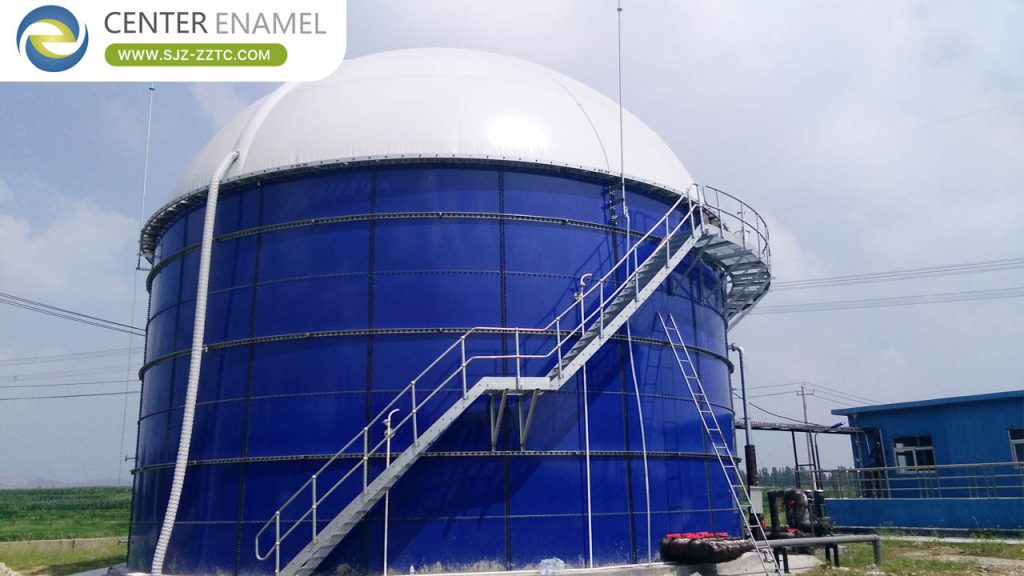
Core Hazards in Biogas Plant Operations
Understanding the unique physical and chemical behavior of biogas is the first line of defense against catastrophic failures:
- Flammability and Explosion Risks: Methane forms explosive mixtures with air at concentrations between 5% and 15% Lower Explosive Limit (LEL). Enclosed spaces like engine rooms, gas holder roofs, and compressor sheds require strict ATEX-compliant electrical equipment to eliminate ignition sources.
- Hydrogen Sulfide ($H_2S$) Toxicity: Unlike odorless methane, $H_2S$ has a distinctive rotten-egg smell at low concentrations, but it quickly paralyzes the olfactory nerve at higher levels. Because it is denser than air, it settles in low points, valve pits, and drainage sumps.
- Oxygen Deficiency and Confined Spaces: Biogas microorganisms consume oxygen and release carbon dioxide, creating severe asphyxiation hazards in unventilated digester tanks, tunnels, and underground chambers.
Essential Safety Protocols and Engineering Controls
To mitigate these risks, modern industrial facilities integrate multi-layered safety systems into their daily workflow:
- Automated Gas Detection and Monitoring: Fixed multi-gas sensors must be positioned strategically—detecting lighter-than-air methane at high points and heavier-than-air $H_2S$ near floor levels. Systems should trigger automatic ventilation and emergency shutdowns (ESD) when LEL thresholds are approached.
- Strict Confined Space Entry Permits: No worker should enter a digester or gas chamber without prior atmospheric testing ensuring oxygen levels exceed 19.5%, continuous forced ventilation, a stationed safety attendant, and verified Lockout/Tagout (LOTO) protocols.
- Pressure Relief and Emergency Flares: Biogas systems must feature appropriately sized pressure-vacuum (PV) valves, foam detection sensors, and fail-safe emergency flare stacks to safely burn off excess gas during overpressure events.
Comparative Data Table: Biogas Hazard Zones & Safety Controls
| Plant Zone / Area | Primary Safety Hazard | Critical Engineering Control / Equipment |
| Digester Enclosure & Roof | Methane accumulation and overpressure | ATEX-rated overhead gas detectors, PV relief valves, double-membrane structural monitoring |
| Gas Cleanup & Compression | High-pressure line rupture and leaks | Vibration sensors, automatic emergency shut-off valves, anti-static grounding |
| CHP / Engine Enclosure | Combustion risk and ignition sources | Explosion-proof electrical fixtures, automated ventilation fans, LEL interlock alarms |
| Digestate Pits & Sumps | $H_2S$ accumulation and oxygen deficiency | Floor-level toxic gas monitors, forced-air blower systems, strict LOTO protocols |
Frequently Asked Questions (FAQ)
Q1: Why is hydrogen sulfide (H2S) considered one of the most dangerous gases in a biogas plant?
A: Hydrogen sulfide is extremely toxic, highly corrosive, and heavier than air, meaning it settles in low-lying areas like sumps and valve pits. At low concentrations it smells like rotten eggs, but at higher concentrations, it deadens the olfactory nerve instantly, rendering human detection useless without electronic sensors.
Q2: What is an ATEX classification, and why is it important for biogas facilities?
A: ATEX directives classify hazardous zones based on the frequency and duration of an explosive atmosphere's presence. Using ATEX-certified, explosion-proof electrical equipment, lighting, and instrumentation ensures that no stray electrical sparks can ignite stray methane leaks.
Q3: What immediate actions should be taken if a gas leak alarm sounds?
A: Operators must immediately evacuate the affected zone, avoid operating unrated electrical switches or cell phones, verify wind direction using wind socks, and activate emergency ventilation and shutdown protocols before certified personnel investigate in appropriate PPE.