
Biogas Safety: Essential Measures for Safe Biogas Production
Biogas safety is essential throughout the production, storage, transportation, and utilization of biogas to prevent gas leaks, toxic exposure, fires, and explosions. Implementing proper gas treatment, ventilation, monitoring, explosion protection, and equipment maintenance helps ensure safe and reliable biogas plant operation.
1. Why Is Biogas Safety Important?
Biogas is a renewable energy source produced through the anaerobic digestion of organic materials, including agricultural waste, livestock manure, food waste, and sewage sludge. Although it offers significant environmental and energy benefits, biogas contains flammable methane (CH₄), toxic hydrogen sulfide (H₂S), and carbon dioxide (CO₂).
Without appropriate safety measures, biogas production facilities may face several risks:
Fire and explosion: Methane can form explosive mixtures with air when its concentration falls within its flammable range.
Toxic gas exposure: Hydrogen sulfide is highly toxic and can cause severe health effects.
Asphyxiation: Carbon dioxide and methane can displace oxygen, creating dangerous atmospheres.
Equipment corrosion: H₂S combined with moisture can accelerate corrosion in pipelines, tanks, and gas handling equipment.
Pressure-related hazards: Improper pressure control may cause equipment damage, gas leakage, or structural failure.
Therefore, biogas safety must be considered during engineering design, construction, commissioning, and daily operation.
2. Understand the Main Safety Risks of Biogas
Understanding the characteristics of biogas is the first step toward effective risk management.
| Gas Component | Main Safety Risk | Required Precaution |
| Methane (CH₄) | Fire and explosion | Leak detection and explosion protection |
| Hydrogen Sulfide (H₂S) | Toxic exposure and corrosion | Desulfurization and gas monitoring |
| Carbon Dioxide (CO₂) | Oxygen displacement and asphyxiation | Ventilation and gas detection |
| Water Vapor | Corrosion and equipment damage | Biogas dehydration |
Methane is generally lighter than air, but actual gas dispersion depends on temperature, gas composition, and ventilation conditions. It can accumulate in enclosed or poorly ventilated spaces. Hydrogen sulfide is generally heavier than air and may accumulate in low-lying areas.
These characteristics should be considered when designing gas detection systems and ventilation arrangements.
3. Ensure Proper Biogas Desulfurization and Dehydration
Gas purification is an important part of biogas safety. Raw biogas typically contains hydrogen sulfide and water vapor, both of which can affect equipment reliability and operational safety.
Biogas Desulfurization
Hydrogen sulfide is toxic and corrosive. When it is burned, it can also produce sulfur dioxide (SO₂), an air pollutant.
Common desulfurization methods include:
Biological desulfurization.
Chemical desulfurization.
Activated carbon adsorption.
Removing H₂S helps protect gas engines, pipelines, compressors, and storage equipment while reducing sulfur-related emissions.
Biogas Dehydration
Water vapor can condense inside pipelines and equipment, contributing to corrosion and operational problems. Dehydration systems remove excess moisture and help maintain suitable gas quality.
Depending on the final application, biogas may also require CO₂ removal to produce upgraded biomethane.
4. Prevent Gas Leaks Through Reliable Equipment Design
Gas leakage is one of the most important hazards in biogas facilities. Leakage can create flammable atmospheres, expose workers to toxic gases, and reduce system efficiency.
Important preventive measures include:
Selecting gas-tight storage tanks and pipelines.
Using suitable corrosion-resistant materials.
Installing reliable valves, flanges, and sealing systems.
Conducting regular pressure and leakage tests.
Inspecting tank roofs, connections, and gas transmission pipelines.
Maintaining gas pressure within the equipment's approved operating range.
Biogas storage tanks should be designed according to project-specific pressure, structural, environmental, and safety requirements. Proper engineering and installation are essential for long-term operational reliability.
5. Install Effective Ventilation and Explosion Protection Systems
Methane is highly flammable. When mixed with air at concentrations of approximately 5%–15% by volume, it can form an explosive atmosphere under standard conditions.
Therefore, biogas facilities must incorporate appropriate explosion prevention and protection measures.
Key requirements include:
Ventilation: Provide adequate natural or mechanical ventilation in enclosed equipment rooms and other potentially hazardous areas to prevent gas accumulation.
Explosion-Proof Electrical Equipment: Select electrical equipment, instruments, and lighting suitable for the classified hazardous areas.
Ignition Source Control: Prohibit smoking, open flames, and unauthorized hot work near biogas equipment.
Flame Arresters and Backfire Protection: Install suitable flame arresters and non-return devices where required by the system design to prevent flame propagation and backfire.
Pressure Protection: Use appropriately designed pressure relief and vacuum protection devices to prevent abnormal pressure conditions.
All protective equipment should be selected, installed, and maintained in accordance with applicable safety standards.
6. Monitor Gas Concentrations and Operating Conditions
Continuous monitoring is essential for identifying abnormal conditions before they develop into serious incidents.
A comprehensive biogas safety monitoring system should include:
Methane detectors for identifying combustible gas leaks.
Hydrogen sulfide detectors for monitoring toxic gas concentrations.
Oxygen detectors for identifying oxygen-deficient atmospheres.
Pressure and temperature sensors for monitoring equipment conditions.
Gas flow meters for identifying abnormal changes in gas production or consumption.
| Monitoring Parameter | Safety Purpose |
| CH₄ concentration | Detect combustible gas accumulation |
| H₂S concentration | Prevent toxic exposure |
| O₂ concentration | Identify oxygen-deficient atmospheres |
| Gas pressure | Prevent overpressure and vacuum conditions |
| Temperature | Identify abnormal operating conditions |
Alarm thresholds should be established according to applicable regulations, equipment specifications, and site-specific risk assessments. Gas detectors should be regularly calibrated and function-tested.
7. Follow Safe Operating Procedures for Biogas Production
Safe operating procedures help reduce human error and ensure consistent plant operation.
Operators should follow several essential practices:
Inspect digesters, gas pipelines, valves, and storage equipment regularly.
Monitor gas production, pressure, temperature, and composition.
Maintain desulfurization and dehydration equipment.
Keep ventilation systems and safety devices operational.
Record equipment inspections and maintenance activities.
Restrict unauthorized access to hazardous areas.
Provide appropriate personal protective equipment (PPE) and operator training.
Particular attention should be paid to confined-space entry. Digesters, tanks, and underground chambers must never be entered without an approved confined-space permit, atmospheric testing, isolation, ventilation, trained personnel, and an appropriate rescue plan. Workers must never enter to perform an unplanned rescue without proper equipment and training.
8. Establish Emergency Response and Fire Protection Measures
Even well-designed biogas plants require emergency preparedness.
An effective emergency response plan should cover gas leakage, fire, explosion, toxic gas exposure, and equipment failure.
Recommended measures include:
Installing emergency shutdown systems and accessible emergency isolation valves.
Providing suitable fire detection and firefighting equipment.
Establishing evacuation routes and emergency assembly points.
Training operators in gas leak response and emergency procedures.
Conducting regular emergency drills.
Maintaining communication with local emergency response services.
If a gas leak is suspected, personnel should avoid ignition sources, move away from the affected area, and activate the site's emergency response procedures from a safe location. Only trained and properly equipped personnel should investigate or isolate the leak.
Biogas must never be released directly into enclosed spaces. Any controlled venting or emergency gas disposal must follow an engineered design and applicable environmental and safety requirements.
9. How Does a Professional Biogas EPC Contractor Improve Plant Safety?
Biogas safety begins with engineering design, not simply with operational inspections. A professional EPC contractor can help integrate safety requirements into every stage of a biogas project.
As a professional Biogas EPC Contractor, Center Enamel provides engineering and project solutions for biogas storage and utilization facilities.
Our project capabilities include:
Engineering Design: Supporting project planning and engineering coordination based on site conditions and operational requirements.
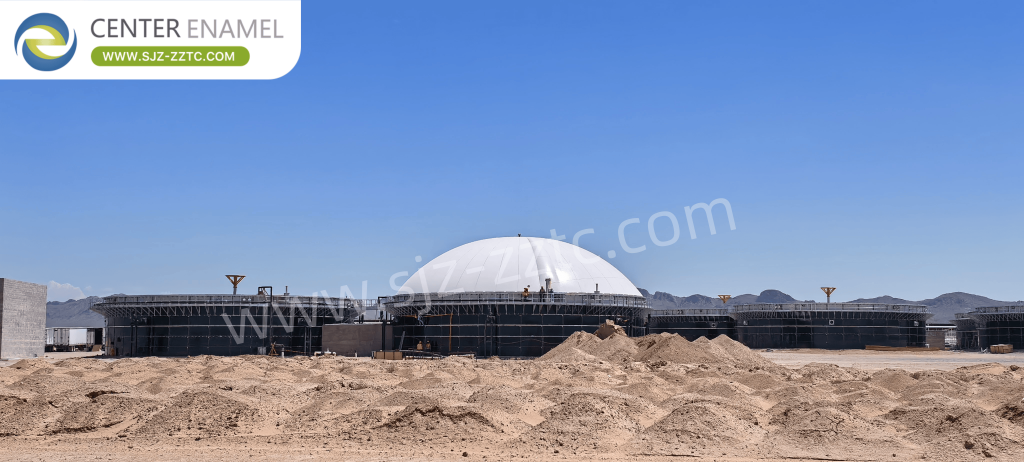
Biogas Storage Solutions: Providing Glass-Fused-to-Steel (GFS) tanks designed for suitable biogas storage applications.
Equipment Integration: Supporting the integration of storage systems with gas treatment, pipelines, and related equipment.
Project Execution: Providing manufacturing, installation guidance, and project coordination.
Technical Support: Supporting project commissioning and operational requirements.
Through professional engineering and reliable storage solutions, Center Enamel helps customers develop safer, more efficient, and more reliable biogas production facilities.
Frequently Asked Questions About Biogas Safety
Q1: What Are the Main Safety Risks in Biogas Production?
The main risks include methane leakage, fire and explosion, hydrogen sulfide poisoning, oxygen deficiency, equipment corrosion, and abnormal gas pressure. Proper ventilation, gas detection, desulfurization, explosion protection, and regular maintenance are essential to reducing these risks.
Q2: Does Biogas Need to Be Desulfurized Before Use?
Yes. Biogas generally requires H₂S removal before utilization because hydrogen sulfide is toxic and corrosive. Combustion of H₂S also produces sulfur dioxide (SO₂), which contributes to air pollution. Depending on the application, additional dehydration and CO₂ removal may also be necessary.
Q3: How Can a Biogas Plant Prevent Gas Leaks and Explosions?
A biogas plant can reduce leakage and explosion risks through gas-tight equipment design, regular pipeline inspections, methane detection, adequate ventilation, explosion-protected electrical equipment, pressure protection, and emergency shutdown systems. Professional engineering design and trained operators are also essential.
Contact Center Enamel for Safe Biogas EPC Solutions
Planning a new biogas project or upgrading an existing facility? Center Enamel is a professional Biogas EPC Contractor, providing reliable biogas storage solutions and engineering support to help customers improve plant safety and operational efficiency.
Contact Center Enamel today to discuss your project requirements and discover professional, integrated solutions for safer and more sustainable biogas production.