
Biogas Slurry Management and Its Commercial Value in the Market
While the primary focus of an anaerobic digestion facility is typically the production of clean biogas or compressed biomethane, operating a sustainable bio-energy plant yields another powerful asset: biogas slurry, widely known as digestate or Fermented Organic Manure (FOM).
Historically treated as a bulky disposal burden, biogas slurry is increasingly recognized as a high-value agricultural input. Implementing strategic biogas slurry management transforms this organic byproduct into a lucrative commercial commodity, reducing waste disposal expenses and opening up secondary revenue streams for plant operators.
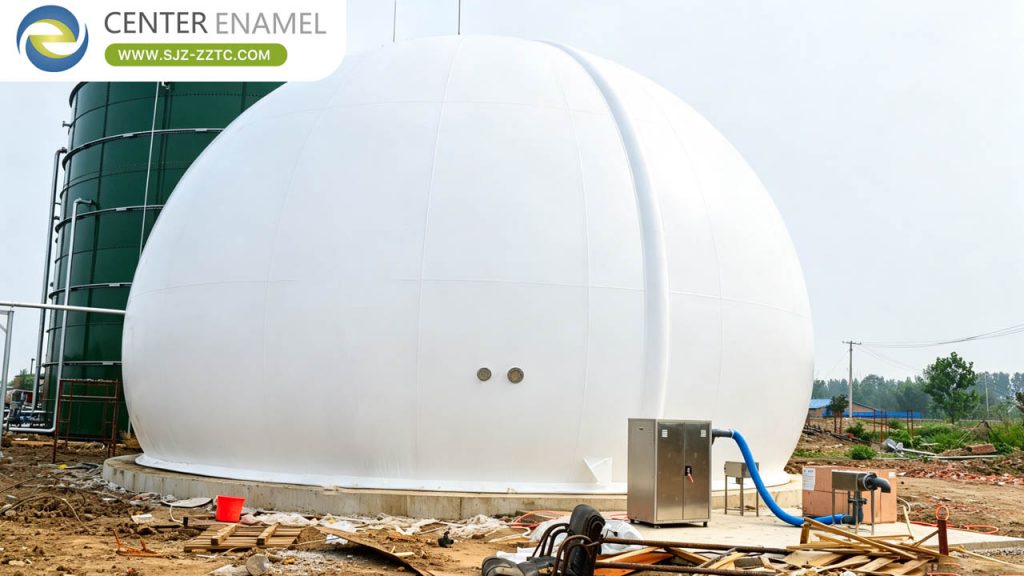
Understanding Biogas Slurry and Its Nutrient Profile
Biogas slurry is the nutrient-dense residual material left over after organic matter (such as livestock manure, food waste, or agricultural residues) undergoes anaerobic microbial breakdown.
In its raw form, digestate typically consists of roughly 90% to 93% water and 7% to 10% solid matter, packed with essential plant nutrients:
- Nitrogen (N): Mostly present in readily available ammoniacal forms, promoting rapid vegetative growth.
- Phosphorus (P) and Potassium (K): Vital macro-nutrients that strengthen root systems, enhance flowering, and improve overall crop stress resistance.
- Humic Acids and Trace Elements: Secondary minerals (calcium, magnesium, zinc, iron) and organic matter that improve soil structure and microbial diversity.
Best Practices in Biogas Slurry Management
To unlock the maximum market value of digestate, operators must move beyond crude storage and adopt professional processing workflows:
- Solid-Liquid Separation: Using mechanical screw presses or decanter centrifuges splits the raw slurry into a nutrient-rich liquid fraction and a fibrous solid fraction. This simplifies handling and broadens application options.
- Composting and Granulation: The solid fibrous portion can be composted with carbon bulking agents and pelletized into dry, odorless organic fertilizer granules. These are much easier to bag, transport, and sell through retail channels.
- Controlled Storage Infrastructure: Maintaining covered, leak-proof storage lagoons or tanks prevents nitrogen loss via volatilization and protects against environmental contamination during wet seasons.
Commercializing Digestate: Market Opportunities and Revenue Streams
The commercial market for organic bio-fertilizers is expanding as agricultural sectors seek sustainable alternatives to expensive, carbon-intensive chemical fertilizers.
- Direct Agricultural Sales: Supplying liquid or dewatered slurry directly to neighboring crop farms for fertigation or basal soil application.
- Retail Horticultural Markets: Packaging dried, granulated fertilizer into bags for commercial nurseries, greenhouse operators, landscaping firms, and retail garden centers.
- Carbon and Soil Health Credits: Utilizing certified organic digestate to restore degraded soils supports corporate ESG metrics and unlocks potential carbon-offset incentives.
Comparative Data Table: Biogas Slurry Formats & Market Positioning
| Slurry / Digestate Form | Processing Level | Key Market Application | Commercial Value & Packaging |
| Raw / Whole Digestate | Unprocessed (Direct from reactor) | Local field application via tankers | Low commercial value; functions primarily as an on-site cost saver. |
| Liquid Nutrient Concentrate | Mechanical separation (Liquid fraction) | Drip irrigation and foliar feeding for row crops | Moderate value; sold in bulk to agricultural cooperatives. |
| Granulated Solid Fertilizer | Dewatered, composted, and pelletized | Retail nurseries, organic farms, and home gardens | High market value; packaged in bags for retail distribution. |
Frequently Asked Questions (FAQ)
Q1: Can biogas slurry completely replace chemical fertilizers?
A: While biogas slurry supplies abundant nitrogen, phosphorus, potassium, and trace minerals, its nutrient ratios vary based on input feedstocks. Many commercial farms use it as a primary base fertilizer to significantly reduce—though not always entirely eliminate—their reliance on synthetic chemical alternatives.
Q2: How does separating solid and liquid slurry increase its market value?
A: Raw slurry is heavy and expensive to transport due to its high water content. Separating it allows operators to sell liquid concentrate locally for irrigation while drying and pelletizing the solid portion into lightweight, easily transportable organic fertilizer bags for premium retail markets.
Q3: Does biogas slurry have an unpleasant odor like raw manure?
A: No. Because the anaerobic digestion process breaks down volatile organic acids and pathogens, processed digestate has a much milder, earthy scent compared to pungent raw manure, making it far more acceptable for agricultural handling and commercial sale.