
Biogas Upgrading for Chemical Feedstock: Turning Renewable Methane into Valuable Chemicals
Biogas is an important renewable energy resource that can be transformed into more than just electricity and heat. With advanced biogas upgrading technologies, raw biogas can be purified into high-purity biomethane, providing a valuable feedstock for the chemical industry.
High-purity methane can be used directly as industrial fuel gas or further converted into essential chemical products, including methanol, ammonia, and hydrogen. These applications create new opportunities for renewable chemical production, fossil fuel substitution, and carbon emission reduction.
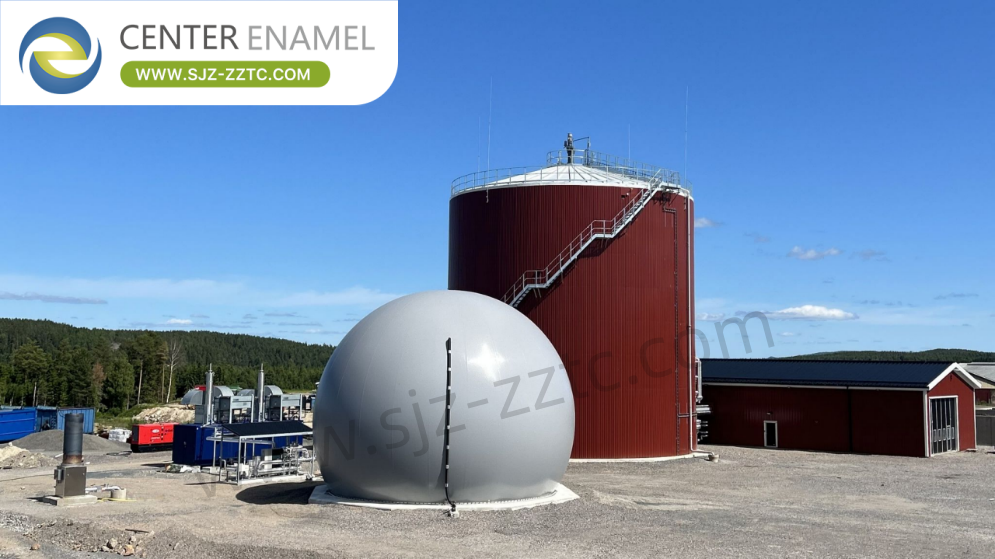
This article explores how biogas upgrading works, the key technologies involved, and how purified biomethane can be converted into valuable chemical feedstocks for industrial applications.
What Is Biogas Upgrading?
Biogas upgrading is the process of removing unwanted components from raw biogas to increase its methane concentration and improve gas quality.
Raw biogas is mainly composed of methane (CH₄) and carbon dioxide (CO₂), with small amounts of hydrogen sulfide (H₂S), water vapor, nitrogen, oxygen, and other impurities.
Through purification and separation processes, these impurities are removed, producing high-quality biomethane that can be used in industrial applications.
Typical biogas composition and upgraded biomethane characteristics include:
| Components | Raw Biogas | Upgraded Biomethane |
| Methane (CH₄) | 50–70% | Typically 95–99% |
| Carbon Dioxide (CO₂) | 30–50% | Significantly reduced |
| Hydrogen Sulfide (H₂S) | Trace to variable | Removed to required specifications |
| Water Vapor | Present | Dried |
| Other Impurities | Variable | Reduced according to application requirements |
The actual gas composition depends on feedstock, digestion conditions, and upgrading technology.
How Does the Biogas Upgrading Process Work?
The biogas upgrading process mainly involves gas pretreatment, purification, and methane separation.
First, raw biogas passes through a pretreatment system to remove moisture, hydrogen sulfide, and other contaminants. This step protects downstream equipment and prevents catalyst poisoning during chemical conversion.
Next, carbon dioxide is separated using technologies such as membrane separation, pressure swing adsorption (PSA), or water scrubbing.
After purification, the methane-rich gas undergoes quality testing, compression, and conditioning to meet the requirements of downstream chemical production.
Methane Reforming: Converting Biomethane into Hydrogen
One of the most important applications of upgraded biogas is hydrogen production through methane reforming.
In steam methane reforming (SMR), purified biomethane reacts with high-temperature steam in the presence of a catalyst to produce hydrogen and carbon monoxide.
The main reaction is:
CH_4 + H_2O→CO + 3H_2
The resulting synthesis gas undergoes a water-gas shift reaction:
CO + H_2O → CO_2 + H_2
After purification, high-purity hydrogen can be obtained for industrial applications.
Biomethane-based hydrogen production offers an opportunity to replace conventional fossil natural gas with renewable methane, helping reduce the carbon footprint of hydrogen manufacturing.
Biomethane to Methanol: Producing Renewable Chemical Feedstock
Methanol is a fundamental chemical raw material widely used in the production of formaldehyde, acetic acid, olefins, and other industrial chemicals.
Upgraded biomethane can be converted into methanol through a synthesis gas production process.
The process generally includes three stages:
Syngas Production: Biomethane undergoes steam reforming, dry reforming, or combined reforming to produce hydrogen, carbon monoxide, and carbon dioxide.
Syngas Conditioning: The gas composition is adjusted to achieve the appropriate hydrogen-to-carbon oxide ratio for methanol synthesis.
Methanol Synthesis: The conditioned synthesis gas reacts over a catalyst under controlled temperature and pressure to produce methanol.
The overall conversion provides a pathway for producing renewable methanol, supporting the chemical industry's transition toward lower-carbon raw materials.
Biomethane to Ammonia: Supporting Renewable Fertilizer Production
Ammonia is an essential raw material for nitrogen fertilizers, industrial chemicals, and various manufacturing processes.
Purified biomethane can serve as a renewable hydrogen source for ammonia production.
The process typically involves:
Hydrogen Production: Biomethane is converted into hydrogen through steam methane reforming.
Nitrogen Separation: Nitrogen is obtained from air separation or other suitable nitrogen supply systems.
Ammonia Synthesis: Hydrogen and nitrogen react through the Haber-Bosch process under high pressure and controlled temperature.
The main reaction is:
N_2 + 3H_2 → 2NH_3
Replacing fossil natural gas with biomethane can reduce reliance on conventional fossil-based feedstocks and support lower-carbon ammonia production.
However, the overall environmental benefit depends on methane leakage, process energy consumption, and carbon management.
Key Technologies for Converting Biomethane into Chemicals
Different chemical products require different conversion technologies. The selection depends on gas purity, production capacity, energy availability, and final product specifications.
| Conversion Technology | Main Process | Primary Product |
| Steam Methane Reforming | Methane reacts with steam | Hydrogen and syngas |
| Dry Methane Reforming | Methane reacts with CO₂ | Syngas |
| Methanol Synthesis | Catalytic conversion of syngas | Methanol |
| Haber-Bosch Process | Hydrogen reacts with nitrogen | Ammonia |
| Gas Purification | Gas separation and impurity removal | High-purity biomethane |
An integrated production system can combine biogas upgrading, gas reforming, and chemical synthesis to maximize the utilization of renewable methane.
Advantages of Using Upgraded Biogas as Chemical Feedstock
Converting biogas into chemical raw materials provides several industrial and environmental benefits.
1. Renewable Raw Material Supply
Biomethane produced from agricultural waste, food waste, livestock manure, and wastewater sludge provides an alternative to fossil-derived natural gas.
2. Reduced Fossil Fuel Dependence
Chemical manufacturers can replace part of their conventional natural gas consumption with renewable methane.
3. Higher Resource Utilization
Instead of using biogas exclusively for electricity generation, biomethane can be converted into higher-value chemical products.
4. Lower Carbon Footprint Potential
Using renewable methane can reduce lifecycle greenhouse gas emissions compared with conventional fossil-based production, depending on feedstock sourcing and process efficiency.
5. Flexible Industrial Applications
Purified biomethane can serve as industrial fuel gas or as a feedstock for hydrogen, methanol, ammonia, and other chemical production pathways.
Industrial Applications of Biomethane-Based Chemical Products
Biomethane-derived chemicals have applications across multiple industries.
Hydrogen Industry: Used in petroleum refining, chemical manufacturing, hydrogenation, and other industrial processes.
Methanol Industry: Used in formaldehyde production, acetic acid manufacturing, and chemical intermediates.
Fertilizer Industry: Ammonia is used to manufacture urea, ammonium nitrate, and other nitrogen fertilizers.
Industrial Energy: High-purity biomethane can replace conventional natural gas in industrial boilers, furnaces, and heating systems.
These applications demonstrate the potential of biogas upgrading to connect renewable waste resources with the chemical manufacturing industry.
The Role of Biogas Storage and Infrastructure in Chemical Production
Stable biogas supply is essential for continuous industrial chemical production. Since biogas generation may fluctuate with feedstock availability and anaerobic digestion conditions, reliable storage and gas handling infrastructure are important.
Biogas storage tanks help balance gas production and consumption, maintain relatively stable gas supply, and improve the operational flexibility of upgrading systems.
Glass-Fused-to-Steel tanks and other engineered storage solutions offer advantages such as corrosion resistance, structural durability, and convenient installation.
As a professional biogas solution provider, Center Enamel offers engineered storage solutions for biogas projects, supporting reliable gas collection, storage, and utilization throughout the biogas value chain.
Conclusion: Unlocking the Chemical Value of Biogas
Biogas upgrading transforms raw biogas into high-quality biomethane, opening up opportunities beyond conventional renewable energy generation.
Through technologies such as methane reforming, methanol synthesis, and the Haber-Bosch process, upgraded biomethane can become a valuable feedstock for hydrogen, methanol, and ammonia production.
With increasing demand for renewable chemical raw materials and lower-carbon industrial processes, biogas upgrading is becoming an important pathway toward a more sustainable chemical industry.
Center Enamel, as a professional Biogas Solution Provider, is committed to delivering reliable storage solutions that support efficient biogas collection, storage, and utilization.
Frequently Asked Questions (FAQs)
1. Can upgraded biogas be used as a chemical raw material?
Yes. Upgraded biogas, primarily composed of methane, can serve as a feedstock for hydrogen, methanol, and ammonia production through processes such as steam methane reforming and chemical synthesis.
2. What chemicals can be produced from purified biogas?
Purified biomethane can be converted into hydrogen, methanol, and ammonia. It can also be used as industrial fuel gas and as a feedstock for other methane-based chemical processes.
3. Why is biogas upgrading necessary before chemical production?
Raw biogas contains carbon dioxide, hydrogen sulfide, moisture, and other impurities. These substances can reduce conversion efficiency, damage equipment, and poison catalysts. Upgrading ensures that methane meets the quality requirements of downstream chemical processes.
Contact Center Enamel for Professional Biogas Solutions
Looking for reliable biogas storage solutions for your biomethane upgrading or chemical feedstock production project? Contact Center Enamel today to explore customized storage solutions for your project requirements.
As a professional Biogas Solution Provider, Center Enamel is ready to support your renewable energy and biogas infrastructure projects with reliable engineering expertise.