
Biomass Projects: Types, Economics, and Where Biogas Fits the Bioenergy Mix
Biomass is any organic material derived from plants, animals, or their waste streams, and a biomass project converts that material into heat, electricity, or fuel. With global bioenergy capacity exceeding 150 GW and biomass supplying roughly 6% of world primary energy, project developers face one strategic question first: which conversion route fits their feedstock and market best.
The common mistake is treating “biomass” as a single technology. In reality, dry woody feedstocks suit thermochemical routes, while wet, high-moisture organics are far more profitable through biochemical conversion. Choosing the wrong route typically inflates CAPEX by 30–50% and creates permanent operational friction.
This guide maps the biomass project landscape — feedstock classes, conversion technologies, and economics — and explains exactly where anaerobic digestion (biogas) wins over combustion and gasification. A structured comparison table and ROI breakdown let you screen options in minutes rather than months.
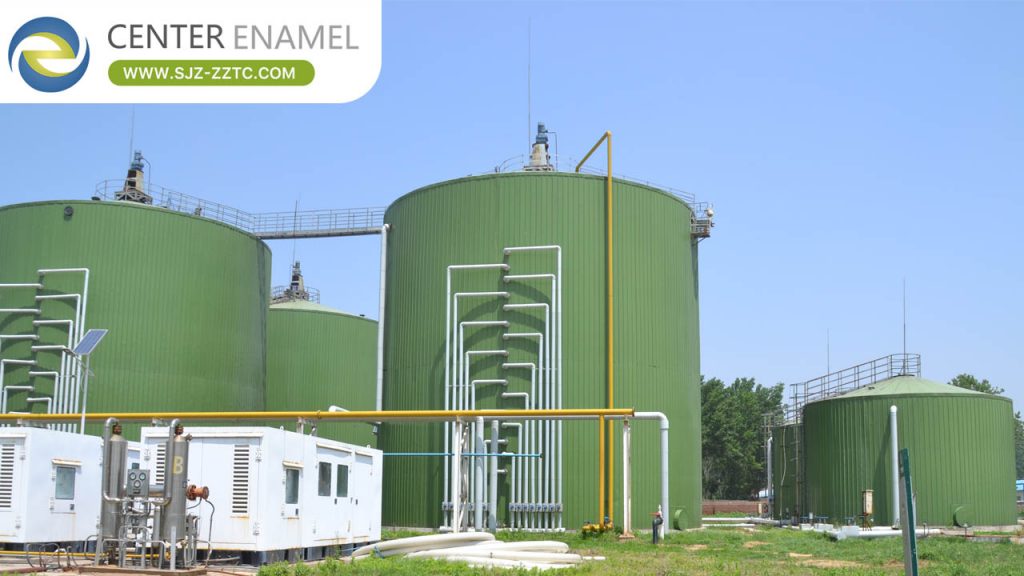
Understanding Biomass Feedstock Classes and Project Types
Biomass feedstock falls into three classes that determine technology selection: dry woody biomass (wood chips, pellets, forestry residues, under 20% moisture), dry agricultural residues (straw, husks, bagasse), and wet organic waste (manure, food waste, sewage sludge, above 75% moisture).
Project types follow the same logic. Combustion-based biomass power plants burn dry fuel at 25–35% electrical efficiency. Gasification projects produce syngas for engines or chemicals. Anaerobic digestion (biogas) projects handle wet feedstock at 500–800 kWh of energy per tonne of volatile solids, plus a valuable digestate co-product.
Geographic feedstock availability decides the viable project type. Nordic markets dominate wood-fired CHP; Germany and India lead wet digestion; Brazil converts bagasse; Southeast Asia builds palm-oil effluent plants. A feedstock audit of 12+ months of supply data should always precede technology selection.
Comparative Data Table: Biomass Conversion Routes
| Route | Feedstock Moisture | Typical Scale | Electrical Efficiency | CAPEX Indicator | Best Fit |
| Direct Combustion | <20% | 5–50 MW | 25–35% | High ($1,500–2,500/kW) | Wood chips, pellets, district heating |
| Gasification | 10–25% | 1–10 MW | 22–30% | High ($2,000–3,500/kW) | Agricultural residues, RDF |
| Anaerobic Digestion (Biogas) | 75–95% | 0.1–10 MW | 35–42% (CHP) | Moderate ($3,000–6,000/kW) | Manure, food waste, sludge, wet organics |
| Co-firing | Depends | Existing plants | Incremental | Low (retrofit) | Blending biomass into coal plants |
The table shows a clear division: dry routes dominate large-scale power, while biogas projects offer superior efficiency on wet waste and a digestate revenue stream no thermal route provides. Many developers now combine routes — combustion for dry residues, digestion for wet streams — in hybrid biomass parks.
Biomass Project Economics: Revenue, CAPEX, and Payback
A biomass project earns from energy sales (electricity tariffs, heat supply, or biomethane injection), gate fees for treating waste, and co-product sales — digestate fertilizer for AD, ash for combustion. Revenue stacking typically improves project IRR by 4–8 percentage points over energy-only models.
Typical payback periods range from 4–7 years for biogas projects with gate fees and digestate sales, 6–10 years for wood-fired CHP, and 8–12 years for large gasification plants. Operating costs concentrate in feedstock logistics — hauling wet material beyond 25–40 km quickly erodes margins, so supply radius is a critical design constraint.
Policy support remains decisive. Renewable heat incentives, biomethane quotas, carbon pricing, and green certificates can shift project viability outright. In 2026, EU RED III targets, US RFS RINs for RNG, and India’s SATAT program are the three policy anchors most biogas developers model against.
Frequently Asked Questions (FAQ)
Q1: What types of biomass are used in energy projects?
A: The main classes are woody biomass (wood chips, pellets, forestry residues), agricultural residues (straw, husks, bagasse), and wet organic waste (livestock manure, food waste, sewage sludge). The moisture content of the feedstock is the single biggest factor deciding whether thermochemical or biochemical conversion is appropriate.
Q2: How do biomass power plants work?
A: Most operate on the Rankine cycle: biomass is combusted to generate high-pressure steam that drives a turbine coupled to a generator. Typical electrical efficiencies are 25–35%. Combined heat and power (CHP) configurations recover waste heat, lifting total efficiency to 75–90%.
Q3: Is biogas better than biomass combustion?
A: For wet, high-moisture organic waste, yes — anaerobic digestion avoids costly drying, achieves 35–42% CHP electrical efficiency, and produces digestate fertilizer. For dry woody fuel, combustion or gasification remains more appropriate. The right answer depends on feedstock moisture, not ideology.
Q4: What is the ROI of a biomass project?
A: Payback typically ranges from 4–7 years for biogas projects with gate fees and digestate sales, 6–10 years for wood-fired CHP, and 8–12 years for gasification. Revenue stacking (energy + waste fee + co-products) and policy incentives are the two levers that most improve returns.