
Can Biogas Be Used as CNG? A Complete Guide to Biogas Upgrading and Vehicle Fuel Applications
Raw biogas cannot be used as CNG. However, biogas can be upgraded into biomethane, which-when compressed-is functionally equivalent to compressed natural gas (CNG) and can be used directly as vehicle fuel. This upgraded fuel is commonly called bio-CNG or compressed biogas (CBG) .
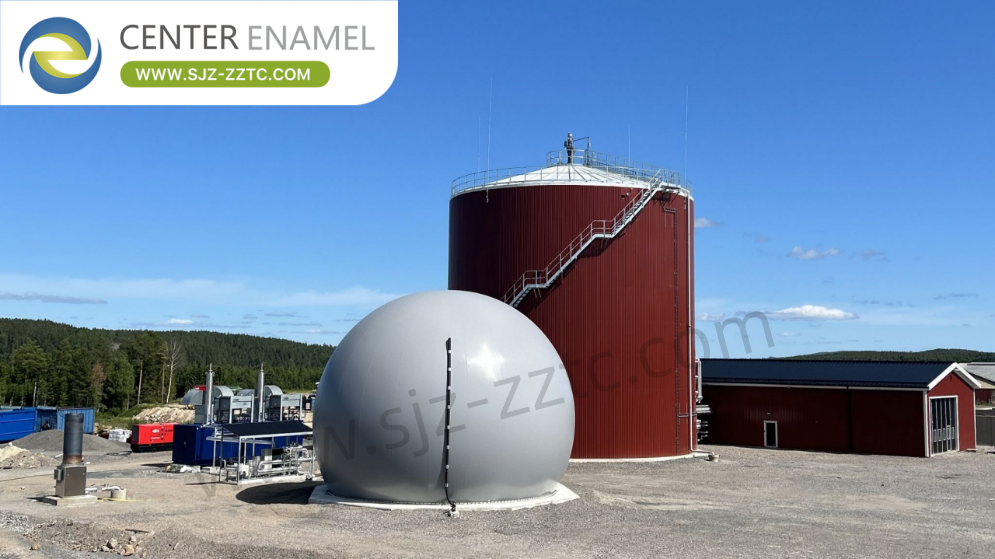
The distinction matters because raw biogas contains only 50–70% methane, with significant carbon dioxide, hydrogen sulfide, and moisture that would damage engines and fueling systems . After upgrading to 90–97% methane purity, the resulting gas is chemically almost identical to fossil CNG and meets the same vehicle fuel specifications .
What Makes Raw Biogas Unsuitable as CNG?
Raw biogas produced from anaerobic digestion typically contains 50–70% methane, 30–50% carbon dioxide, and trace amounts of hydrogen sulfide, water vapor, and other impurities . This composition creates several problems for vehicle fuel applications.
The carbon dioxide content drastically reduces the energy density of the fuel, meaning a vehicle would need much more gas to travel the same distance. Hydrogen sulfide is corrosive and would damage engine components, fuel injectors, and storage tanks. Moisture can cause corrosion and freezing issues in high-pressure systems. These impurities also fail to meet the fuel quality standards required for CNG vehicles .
For biogas to become a viable vehicle fuel, it must undergo purification-a process called upgrading-to remove these contaminants and increase methane concentration to vehicle-grade levels.
The Upgrading Process: From Biogas to Bio-CNG
Biogas upgrading involves several stages that transform raw biogas into fuel-grade biomethane. The first step is cleaning, which removes hydrogen sulfide and moisture using biological or physical purification techniques. Next, carbon dioxide is separated from methane using membrane separation, pressure swing adsorption, water scrubbing, or amine scrubbing technologies .
The upgraded biomethane typically achieves 90–97% methane content, with CO₂ reduced to 2–3% and H₂S reduced to trace levels of around 5 ppm . This meets the quality standards for vehicle fuel. Finally, the biomethane is compressed to 200–250 bar, the same pressure used for conventional CNG, and stored in high-pressure cylinders for dispensing .
This complete process-cleaning, upgrading, compression, storage, and dispensing-transforms biogas into a fuel that is functionally equivalent to CNG .
How Does Bio-CNG Compare to Fossil CNG?
The table below summarizes the key differences and similarities between raw biogas, upgraded biomethane (bio-CNG), and conventional CNG.
| Parameter | Raw Biogas | Bio-CNG (Compressed Biomethane) | Fossil CNG |
| Methane Content | 50–70% | 90–97% | 80–90% |
| CO₂ Content | 30–50% | 2–3% | Trace amounts |
| H₂S Content | Variable, often high | <5 ppm | Minimal |
| Energy Density | Low | High (comparable to CNG) | High |
| Vehicle Compatibility | Not suitable | Direct replacement for CNG | Standard fuel |
| Source | Organic waste | Upgraded biogas | Fossil fuel reserves |
| Renewability | Renewable | Renewable | Non-renewable |
After upgrading, bio-CNG and fossil CNG are chemically almost identical-both are compressed methane with similar calorific values and combustion characteristics .
Can CNG Vehicles Run on Bio-CNG Without Modification?
Yes. Factory-fitted CNG vehicles can run on properly purified bio-CNG without any mechanical modifications . Because both fuels are predominantly methane with similar energy content, the engine, fuel system, and storage tanks require no changes.
Experimental studies have confirmed comparable performance. One study on BS VI-compliant vehicles found that CBG operation actually reduced nitrogen oxide emissions by 14.6% in three-wheelers and 9.4% in passenger cars compared to CNG, while non-methane hydrocarbon emissions decreased by 35.6%. Fuel economy, power, and acceleration remain essentially equivalent .
This interchangeability is a major advantage. Existing CNG fueling stations, storage cascades, and vehicle fleets can accommodate bio-CNG with minimal infrastructure changes. India’s SATAT scheme and the newer GOBARdhan initiative are actively leveraging this compatibility by blending CBG into the existing CNG supply network .
Real-World Applications: Bio-CNG in Action
Bio-CNG is already powering vehicles in multiple countries. In the United Kingdom, Bennamann has developed a modular biogas upgrading system called CAPCH4 that retrofits into existing anaerobic digestion plants. The system produces 140,000 kg of biomethane road fuel annually-enough to fuel 4–6 heavy goods vehicles covering 100,000 km each or 4–6 CNG tractors operating 1,500 hours per year .
These modular systems enable what Bennamann calls “AD farm forecourts”-decentralized refueling hubs that provide CNG fuel in remote areas. Farmers can produce their own tractor fuel from waste feedstocks while generating revenue through Renewable Transport Fuel Obligation certificates, turning fuel from a cost into an income stream .
In India, Suzuki Motor Corporation has established a CBG plant in Gujarat that processes 100 tons of cattle dung daily to produce 1.5 tons of CBG fuel. This single plant can support approximately 850 CNG cars for daily commuting, with refueling taking just 3–5 minutes-far faster than electric vehicle charging .
Environmental and Economic Benefits
The environmental case for bio-CNG is compelling. Replacing diesel with biomethane in municipal bus fleets can achieve an 84% reduction in CO₂ emissions, an 84.4% decrease in particulate matter, and an 80% reduction in nitrogen oxides . These are not marginal improvements-they represent transformative air quality gains.
From an economic perspective, bio-CNG offers several advantages. Production costs from raw biogas can be lower than CNG produced from pipeline natural gas, particularly when waste feedstocks are available at low or no cost . The fuel also creates rural economic opportunities by providing markets for agricultural residue, cattle dung, and municipal solid waste .
Countries with high natural gas import dependence benefit most. India, which imports roughly half its natural gas, has established an administered price for CBG at Rs 2,110 per MMBtu for ten years, insulating producers from global gas price volatility while reducing import exposure .
Challenges and Limitations
Despite its promise, bio-CNG adoption faces significant hurdles. The capital cost of upgrading equipment is substantial. Bennamann‘s CAPCH4 system, for example, costs approximately £475,000 including storage . While operational costs are competitive, the upfront investment can be prohibitive for smaller operations.
Feedstock logistics present another challenge. Biomass is diffuse and seasonal, unlike the concentrated reserves of natural gas. Collecting and transporting agricultural residue, cattle dung, and municipal waste to centralized upgrading facilities requires efficient supply chains. In India, Suzuki addressed this by partnering with dairy cooperatives to ensure stable feedstock supply .
Scale remains limited. Germany operates 212 bio-CNG plants, while India’s SATAT program has commissioned only a fraction of its 5,000-plant target . Expanding production requires coordinated investment in both upgrading facilities and refueling infrastructure.
The Future of Biogas as CNG
The trajectory is clear. Regulatory frameworks are evolving to support bio-CNG integration. India’s Petroleum and Natural Gas Regulatory Board has approved guidelines for injecting CBG into natural gas pipelines and city gas distribution networks, providing standardized quality specifications, injection procedures, and safety requirements . The GOBARdhan scheme targets nearly ten-fold growth in domestic CBG output, with blending obligations rising from 3% to 5% by FY2028-29 .
International standards are also adapting. ASTM D8487-24 now provides specifications for natural gas-hydrogen blends that explicitly cover biogas and renewable natural gas feedstocks, acknowledging the growing role of renewable methane in transportation fuel markets .
For fleet operators and vehicle owners, the practical implication is straightforward: if you already use CNG, you can use bio-CNG. The question is no longer technical feasibility but rather supply availability and pricing in your region.
Ready to turn your biogas project into a reliable source of vehicle-grade bio-CNG? Contact Center Enamel today for expert-designed biogas upgrading and storage solutions tailored to your needs.
Our team is ready to help you every step of the way—reach out now and let's build a cleaner, more profitable biogas operation together.
Frequently Asked Questions
Can I use raw biogas in my CNG car?
No. Raw biogas contains only 50–70% methane with significant carbon dioxide, hydrogen sulfide, and moisture that would damage your engine and fuel system. It must first be upgraded to 90–97% methane purity and compressed before use as vehicle fuel .
Does bio-CNG require engine modifications?
No. Factory-fitted CNG vehicles can run on properly purified bio-CNG without any mechanical changes because both fuels are predominantly methane with similar energy content and combustion characteristics. The fuel filler nozzle and storage tank specifications are compatible .
Is bio-CNG cheaper than fossil CNG?
Pricing varies by region and feedstock availability. Production costs from raw biogas can be lower than CNG from pipeline natural gas, particularly when waste feedstocks are available at low cost. Government subsidies and blending obligations in countries like India further improve competitiveness, though capital costs for upgrading equipment remain a barrier .