
Can Cassava Produce Gas? Unlocking the Potential of Starchy Crops
Cassava is one of the most vital root crops cultivated across tropical and subtropical regions, serving as a primary source of dietary calories for millions of people worldwide. Beyond its heavy utilization in human nutrition and animal feed, industrial processing of cassava has grown exponentially. However, this intensive processing yields massive quantities of organic leftovers, prompting researchers and industrialists to ask a critical question: Can cassava produce gas?
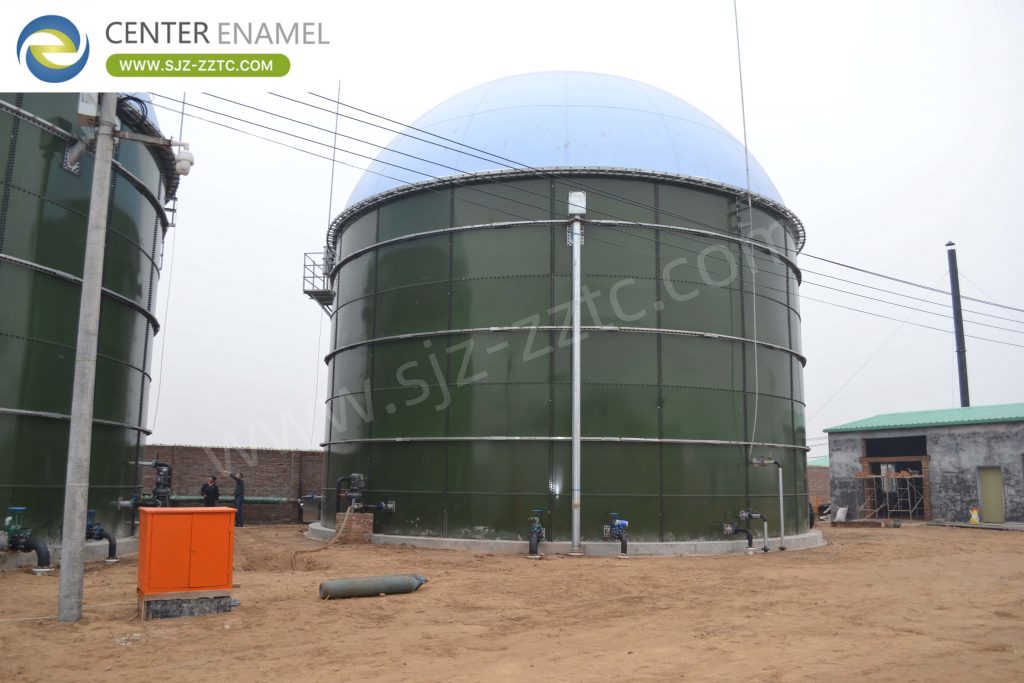
The short answer is a resounding yes. Cassava is exceptionally rich in starches, carbohydrates, and fermentable organic compounds. When subjected to specific biological or chemical breakdown processes, these components readily convert into gases. Understanding how cassava interacts with gas generation opens the door to innovative waste management strategies and sustainable energy production.
The Chemical Composition and Fermentation Potential of Cassava
To understand why cassava is a prolific gas producer, we must examine its chemical makeup. Cassava roots and leaves contain high concentrations of carbohydrates, mainly in the form of starch and sugars. When these starches undergo natural microbial activity or controlled fermentation, microorganisms feed on the organic material, breaking down complex polymers into simpler byproducts.
During typical spoilage or uncontrolled microbial degradation, microorganisms release gases such as carbon dioxide and minor traces of other compounds. This intrinsic biological reactivity makes the crop an active participant in gas formation. However, allowing cassava to degrade naturally or improperly can lead to environmental hazards and unpleasant odors, which drives the need for engineered management systems.
Cassava Processing and the Release of Hydrogen Cyanide
When discussing whether cassava produces gas, it is also essential to address its natural chemical defense mechanisms. Raw cassava varieties-particularly bitter strains-contain cyanogenic glucosides. When the plant tissue is crushed, grated, or processed, enzymes convert these glucosides into hydrogen cyanide (HCN) gas.
While hydrogen cyanide is toxic and requires careful handling during food preparation and industrial starch extraction, it highlights the crop's volatile nature. Industrial processing plants must implement strict ventilation and detoxification protocols to ensure that gaseous byproducts released during washing, peeling, and rasping do not pose safety risks to workers or nearby communities.
From Starch Waste to Environmental Challenges
The global demand for cassava products-such as flour, animal feed, and ethanol-generates millions of tons of industrial byproducts annually. Processing factories produce substantial volumes of solid peelings, bagasse, and high-strength liquid wastewater laden with starch residues.
If left untreated, discarding these organic residues poses severe environmental threats. As organic loads accumulate in open dumps or water bodies, natural anaerobic bacteria begin to break them down, releasing uncontrolled greenhouse gases like methane directly into the atmosphere. This uncontrolled fermentation contributes heavily to global warming, turning a valuable resource into an environmental liability.
Transitioning to Renewable Energy: Cassava Waste into Biogas
Rather than letting organic cassava leftovers decompose haphazardly and harm the environment, modern biotechnology harnesses this exact breakdown process for good. By capturing the natural degradation mechanism under controlled conditions, industries convert cassava waste into biogas.
Biogas generation relies on anaerobic digestion, a multi-step biological process where specialized microorganisms break down starchy waste in the absence of oxygen. Because cassava waste is rich in easily degradable carbohydrates, it serves as an exceptional substrate for anaerobic bacteria. The resulting product is a high-quality biogas composed primarily of methane and carbon dioxide, which can be purified and utilized as a clean, renewable energy source.
The Anaerobic Digestion Process for Cassava Residues
The transformation of cassava waste into clean energy involves a sophisticated, multi-phase biological journey:
Hydrolysis: Complex carbohydrates and starches within the cassava waste are broken down by extracellular enzymes into soluble sugars.
Acidogenesis: Acid-forming bacteria convert these simple sugars into volatile fatty acids (VFAs), carbon dioxide, and trace alcohols.
Acetogenesis: Intermediate compounds are further converted into acetic acid, hydrogen, and carbon dioxide by acetogenic microorganisms.
Methanogenesis: Methanogenic archaea consume the final intermediates to produce methane-rich biogas, ready for energy recovery.
Optimizing these stages requires specialized, sealed reactor environments to maximize methane yield and prevent energy loss.
Center Enamel: Delivering Professional Solutions for Biogas Projects
Scaling up cassava waste-to-energy initiatives requires robust, durable, and highly efficient engineering infrastructure. This is where Center Enamel steps in as a global leader, providing comprehensive, professional solutions for anaerobic digestion and biogas projects.
Center Enamel specializes in manufacturing advanced Glass-Fused-to-Steel (GFS) tanks, bolted stainless steel tanks, and CSTR anaerobic reactors designed specifically for high-strength organic waste streams. Their containment systems offer exceptional resistance to corrosive gases, organic acids, and extreme environmental pressures. Backed by cutting-edge technology, rigorous international certifications (such as ISO, AWWA D103-09), and turnkey EPC capabilities, Center Enamel empowers agricultural and industrial facilities worldwide to convert challenging cassava waste into clean, profitable renewable energy assets.
Frequently Asked Questions (FAQ)
Can raw cassava tubers produce gas on their own without processing?
Yes. If raw cassava tubers are left in warm, humid conditions, they begin to spoil and ferment naturally due to ambient bacteria and fungi. This natural breakdown releases gases such as carbon dioxide and minor volatile compounds, though at a much slower and less controlled rate compared to industrial anaerobic digestion.
Why is cassava wastewater dangerous if discharged untreated?
Cassava processing wastewater contains high concentrations of dissolved starches and organic matter (high chemical oxygen demand). When discharged into water bodies, indigenous microbes consume the organic material rapidly, depleting dissolved oxygen levels in the water, which leads to aquatic life suffocation and severe environmental pollution.
How does Center Enamel help optimize cassava biogas plants?
Center Enamel provides top-tier anaerobic digestion infrastructure, including proprietary Glass-Fused-to-Steel (GFS) reactors and complete mixing systems tailored for high-strength organic waste. These systems ensure stable microbial environments, superior corrosion resistance, high methane capture efficiency, and long-term structural reliability for renewable energy projects.