
Can Livestock Wastewater Make Biogas?
Yes — livestock wastewater is one of the best anaerobic digestion (AD) feedstocks because it is already a wet, high-strength slurry rich in soluble and readily hydrolyzed organics; pig and cattle manure water commonly yields biogas at 55–65% CH₄ via UASB or CSTR at mesophilic 35–38°C. The wastewater itself becomes the fuel.
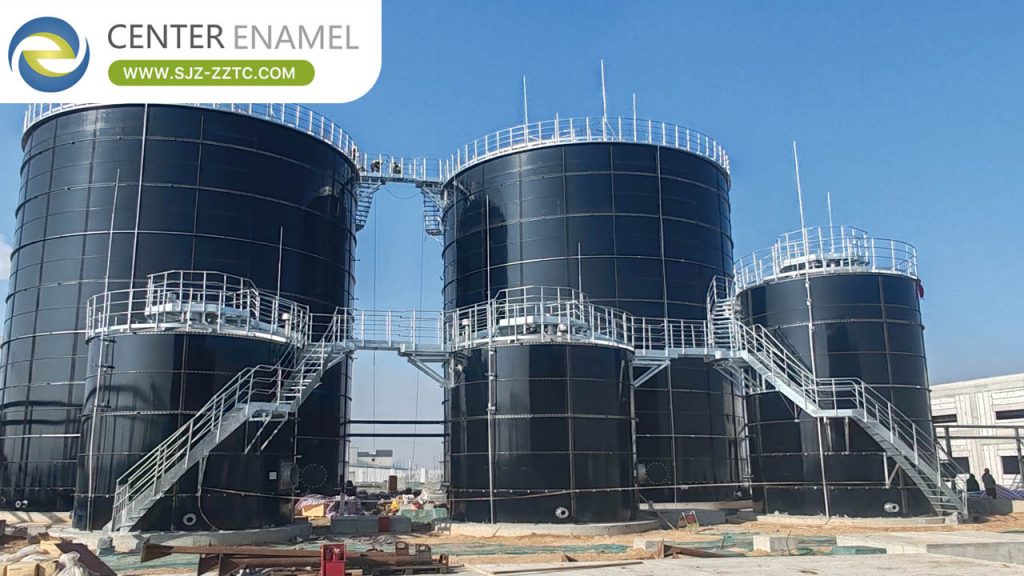
Why Manure Water Is a Strong Feedstock
Manure water carries high COD/BOD (pig wastewater often COD ≥ 10,000 mg/L) and is already liquid, so no dilution or drying is needed. Its organics solubilize quickly, giving high volumetric gas rates. Co-digestion with crop residue can lift yield further while balancing C:N.
Which Reactor Suits It
High-rate systems dominate: UASB/EGSB for soluble, warm, high-strength streams (low sludge yield, recovers biogas, saves aeration), and CSTR for slurry with more suspended solids. The choice follows solids content and temperature more than animal type.
| Livestock stream | Typical COD | Reactor | Result |
| Pig wastewater | ≥ 10,000 mg/L | UASB + AOAO | COD ≥ 10,000→≤ 200 mg/L |
| Cattle manure slurry | high | CSTR (wet) | steady biogas |
| Mixed farm waste | variable | UASB/CSTR + co-digest | higher yield |
Biogas Yield and Energy
Anaerobic treatment of livestock wastewater removes 80–90% of COD while producing biogas; the gas can fire a boiler, run a CHP (35–45% electrical, 80–90% total efficiency), or be upgraded. The wastewater thus cuts both pollution and energy cost.
Technical Considerations
Manure water is corrosive and H₂S-rich; tankage needs an inert, H₂S-resistant lining (GFS glass fused at 820–930°C). Manage ammonia (inhibits at high concentration), size HRT (6–12 h for high-strength UASB; 15–30 days for wet CSTR), and plan sludge handling.
How to Scope a Livestock Biogas Project
Measure daily wastewater volume and COD, pick UASB or CSTR by solids, set mesophilic 35–38°C, size by COD load (anaerobic yield ≈ 0.30–0.45 m³ biogas per kg COD removed), and specify corrosion-rated tankage. Co-digest residue to raise yield if available.
Project Case Study
Beijing 5S Pig Farm Wastewater Treatment Project. A 580 m³/day pig farm plant using UASB + AOAO to treat manure wastewater, achieving COD ≥ 10,000 → ≤ 200 mg/L, ammonia-N ≥ 1,000 → ≤ 80 mg/L, total P ≥ 200 → ≤ 8 mg/L, and fecal coliforms ≥ 5.6×10⁶ → ≤ 4.0×10³ CFU/100ml — a documented livestock-wastewater-to-clean-water result with biogas potential.
| Project | Beijing 5S Pig Farm Wastewater Treatment Project |
| Location | Beijing, China |
| Industry | Livestock / Pig Farm |
| Application | Livestock wastewater → biogas + clean water |
| Product | UASB + AOAO treatment (GFS tanks) |
| Capacity | 580 m³/day |
| Influent → Effluent | COD ≥10,000→≤200 mg/L |
| Status | Delivered 2020 |
About Center Enamel
Center Enamel demonstrates relevant project experience in livestock wastewater biogas, with delivered pig- and cattle-farm treatment plants such as the Beijing 5S pig farm UASB + AOAO project above. The company supplies bolted GFS tanks engineered for the corrosive, H₂S-rich manure-liquor duty — glass fused at 820–930°C — across farms in China and abroad.
Advantages and Limitations
Livestock wastewater makes reliable biogas and cuts pollution and energy cost. Limits: ammonia inhibition and H₂S corrosion must be designed for; and very high solids need CSTR rather than UASB. Modular GFS tanks speed farm deployment.
Comparison: UASB vs CSTR for Manure Water
| Attribute | UASB | CSTR |
| Best for | soluble high-strength | slurry / more solids |
| Sludge yield | very low | higher |
| HRT | 6–12 h | 15–30 days |
| Biogas | recovered | recovered |
Livestock wastewater is an excellent AD feedstock that makes biogas at 55–65% CH₄ via UASB or CSTR at 35–38°C, while cutting COD 80–90%. The Beijing pig farm shows COD ≥ 10,000 → ≤ 200 mg/L. Send your volume and COD and we will pick the reactor and size GFS tankage.
Frequently Asked Questions (FAQ)
Q1: Can livestock wastewater make biogas?
A: Yes — manure water is a strong AD feedstock; pig/cattle wastewater yields biogas via UASB or CSTR at 35–38°C.
Q2: Why is manure water good for AD?
A: It is already wet and high-strength (COD often ≥ 10,000 mg/L) with fast-solubilizing organics.
Q3: Which reactor suits it?
A: UASB/EGSB for soluble high-strength streams; CSTR for slurry with more solids.
Q4: How much biogas?
A: Anaerobic yield is about 0.30–0.45 m³ biogas per kg COD removed at 80–90% COD reduction.
Q5: What tank capacity is available?
A: GFS farm biogas tanks range 200 m³ to 60,000 m³.
Q6: What project experience exists?
A: Beijing 5S pig farm: 580 m³/day, UASB + AOAO, COD ≥10,000→≤200 mg/L.
Send your livestock wastewater volume and COD. We will select UASB or CSTR, size the digester, and quote corrosion-rated GFS tankage for your farm biogas project.